


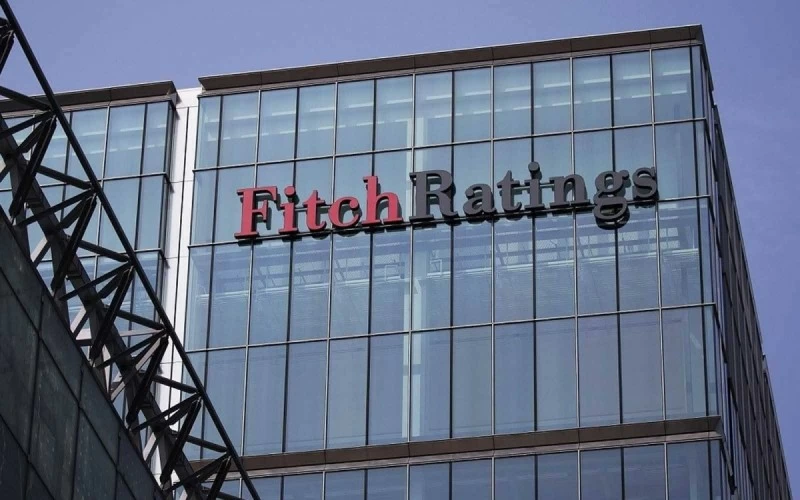
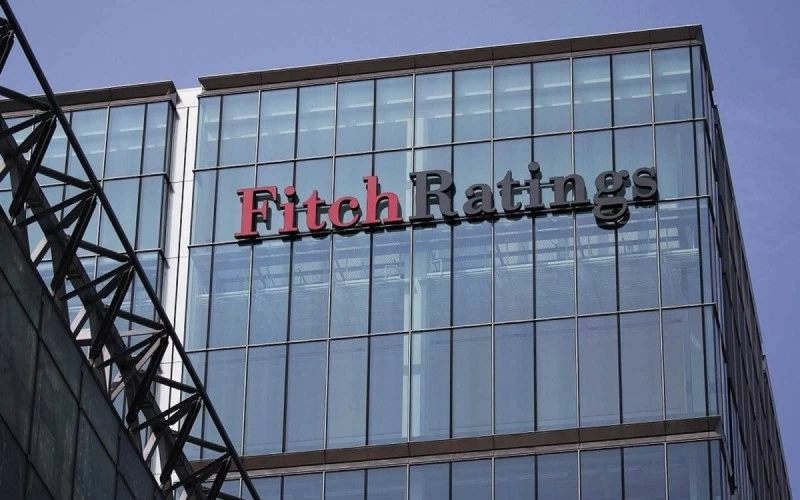
أكدت وكالة فيتش العالمية للتصنيف الائتماني، أن امتلاك معظم دول الخليج أصولًا سيادية كبيرة يوفر لها مصدات مالية قوية في حال تراجع إيرادات الطاقة مؤقتًا.
وأوضحت أن المخاطر الجيوسياسية مُدرجة أصلًا ضمن تقييماتها الائتمانية؛ ما يمنح بعض الدول هامشًا إضافيًا في مواجهة الصدمات قصيرة الأمد.
وأفادت الوكالة أن التصنيفات السيادية في دول مجلس التعاون الخليجي تملك هامشًا كافيًا لتحمّل صراع إقليمي قصير لا يشهد تصعيدًا إضافيًا.
وأشارت إلى أن سيناريوهها الأساسي يفترض استمرار التوتر أقل من شهر، مع إغلاق فعلي لـمضيق هرمز طوال فترة الصراع، سواء بفعل مخاطر أمنية أو صعوبات تأمينية.
ارتفاع أسعار النفط
وبينت الوكالة أن السعودية والإمارات تمتلكان خطوط أنابيب تتيح تحويل جزء كبير من الصادرات بعيدًا عن المضيق، كما تحتفظ الدول المصدّرة بمخزونات نفطية خارج المنطقة.
وأشارت إلى أن ارتفاع أسعار النفط قد يعوّض جزئيًا أثر أي تعطل قصير في الصادرات، طالما استمرت الشحنات في الوصول إلى الأسواق.
يذكر أن مضيق هرمز يعبره أكثر من 20 مليون برميل يوميًا من النفط والمنتجات المكررة، إضافة إلى شحنات كبيرة من الغاز الطبيعي المسال، ما يجعله قناة حيوية لصادرات الطاقة الخليجية.
The global credit rating agency Fitch has confirmed that the ownership of significant sovereign assets by most Gulf countries provides them with strong financial buffers in the event of a temporary decline in energy revenues.
It clarified that geopolitical risks are already included in its credit assessments, granting some countries an additional margin to cope with short-term shocks.
The agency reported that the sovereign ratings in the Gulf Cooperation Council countries have a sufficient margin to withstand a short regional conflict that does not escalate further.
It noted that its baseline scenario assumes that tensions will continue for less than a month, with the Strait of Hormuz effectively closed throughout the conflict, whether due to security risks or insurance difficulties.
Rising Oil Prices
The agency indicated that Saudi Arabia and the UAE have pipelines that allow a significant portion of exports to be diverted away from the strait, and the exporting countries maintain oil reserves outside the region.
It pointed out that rising oil prices could partially offset the impact of any short disruption in exports, as long as shipments continue to reach the markets.
It is worth mentioning that more than 20 million barrels of oil and refined products pass through the Strait of Hormuz daily, in addition to large shipments of liquefied natural gas, making it a vital channel for Gulf energy exports.