

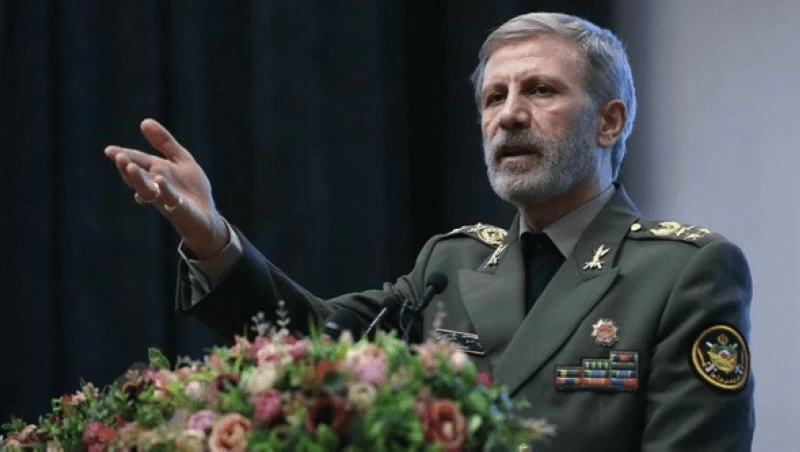
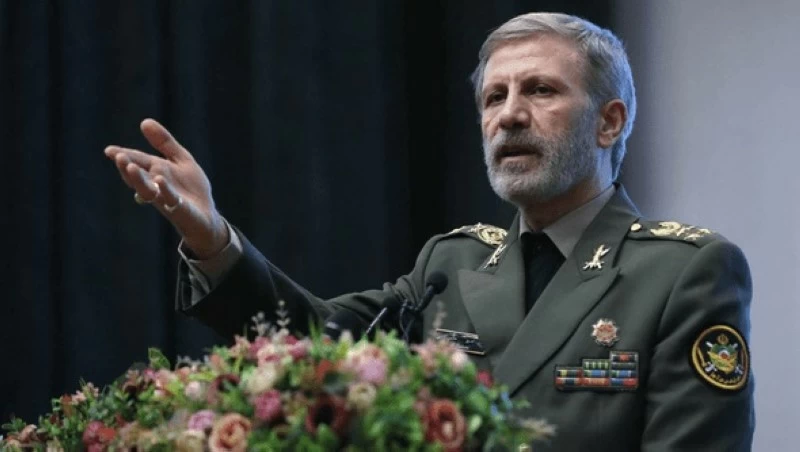
أعلن قائد الجيش الايراني أمير حاتمي، اليوم (الإثنين)، أن بلاده تواجه حرباً مركّبة في المجالات السياسية والاقتصادية والاجتماعية والعسكرية والنفسية والمعرفية، مؤكداً استعدادها لصد هذه الحرب.
ووصف حاتمي، خلال مراسم تخرج طلبة جامعة «دافوس» العسكرية، الحرب التي تتعرض لها بلاده بأنها أشد تعقيداً وصعوبة من الحروب السابقة، مشدداً بالقول: «إيران لا يمكن ابتلاعها».
وأضاف: «العدو لم يتصور أنه رغم إرسال حاملات الطائرات والأسلحة الأخرى، وتهديداته، سيواجه هذا القدر من الصلابة»، معتبراً أن الأحداث التي شهدتها طهران في شهر يناير كانت حسابات خاطئة ممن وصفه بـ«العدو»، «لكنه في النهاية فشل مرة أخرى، وإن كان ذلك قد أحزننا جميعاً».
ووصف حاتمي أحداث الاحتجاجات التي شهدتها إيران بـ«الفتنة الأخيرة» التي كانت تشبه الانقلاب وتم إحباطها، موضحاً أنه كان يمكن أن تسبب ضرراً أكبر للبلاد، لكن الفهم والبصيرة العميقة حالا دون تحقيق ذلك. واتهم من وصفه بـ«العدو» بمحاولة فرض إرادته من خلال الترهيب والتهديدات والعمليات المحدودة، مشدداً على أهمية «اتخاذ القرار الصحيح من خلال الفهم الكامل للأبعاد والأهداف لهذه الحرب، وأن نكون قادرين على إبطال مخططه».
وتتواصل الاحتجاجات الطلابية في عدد من جامعات العاصمة الإيرانية طهران لليوم الثالث على التوالي. ووفقاً لتقارير إعلامية فإن طالبات في جامعة الزهراء نظمن تجمعاً، كما شهدت جامعة شريف الصناعية تجمعاً طلابياً تخلله إحياء ذكرى قتلى احتجاجات يناير، وسط انتشار أمني داخل الحرم الجامعي.
وفي جامعة طهران، أقام طلاب مراسم تأبين للطالبة رها بهلولي بور، التي قُتلت خلال احتجاجات يناير، مرددين شعار «المرأة، الحياة، الحرية».
The commander of the Iranian army, Amir Hatami, announced today (Monday) that his country is facing a complex war in the political, economic, social, military, psychological, and cognitive fields, affirming its readiness to repel this war.
Hatami described, during the graduation ceremony of students from the “Davos” military university, the war that his country is experiencing as more complicated and difficult than previous wars, emphasizing: “Iran cannot be swallowed.”
He added: “The enemy did not imagine that despite sending aircraft carriers and other weapons, and its threats, it would face this level of resilience,” considering that the events that took place in Tehran in January were miscalculations by what he termed the “enemy,” “but in the end, it failed once again, even if it saddened us all.”
Hatami described the events of the protests that occurred in Iran as “the last sedition,” which resembled a coup and was thwarted, explaining that it could have caused greater harm to the country, but understanding and deep insight prevented that from happening. He accused what he referred to as the “enemy” of trying to impose its will through intimidation, threats, and limited operations, stressing the importance of “making the right decision through a complete understanding of the dimensions and objectives of this war, and being able to thwart its plans.”
Student protests continue at several universities in the Iranian capital, Tehran, for the third consecutive day. According to media reports, female students at Al-Zahra University organized a gathering, while Sharif University of Technology witnessed a student gathering that included commemorating the victims of the January protests, amid a security presence on campus.
At the University of Tehran, students held a memorial for the student Raha Bahlooli Pour, who was killed during the January protests, chanting the slogan “Women, Life, Freedom.”