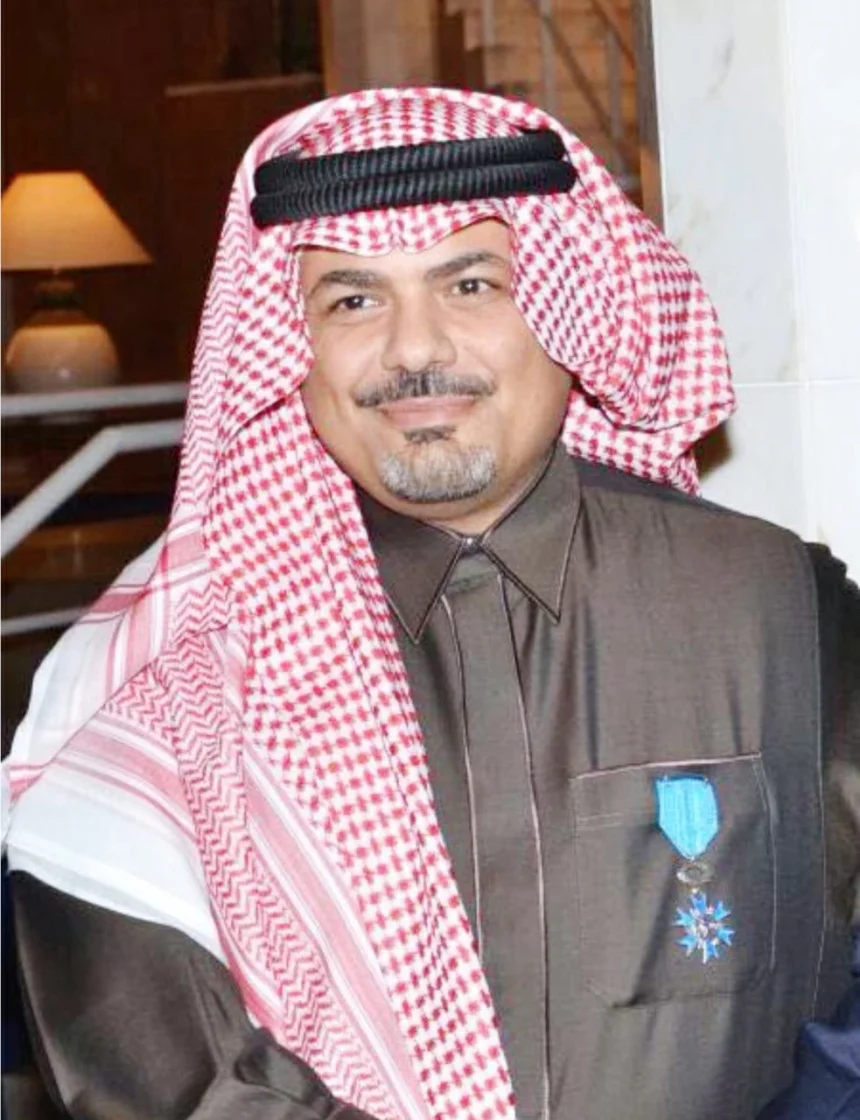
ظل (عبدالرزاق) على مدى ست سنوات يدفع فاتورة معاناته مع أحد المستشفيات التي راجعها إثر تعرضه لمتاعب في القلب ولم يجد وقتها التفاعل الطبي اللازم من الفريق المعالج، وروى لـ«عكاظ» كيف تدهورت حالته الصحية بسبب ما وصفه بـ«الإهمال» لتتبين لاحقاً إصابته بجلطة قلبية تستدعي قسطرة عاجلة، الأمر الذي لم يُنفذ في حينه ما جعل حالته الصحية تتبدل إلى الأسوأ.
في المجتمع، تتصاعد وتيرة النظر في الأخطاء أو المضاعفات الطبية أو الإهمال، بوصفها واحدة من أكثر الملفات حساسية؛ نظراً لتقاطعها المباشر مع حق الإنسان في الحياة وسلامة الجسد. وبين روايات لمرضى وذويهم تولد من رحم المعاناة، تقف الجهات القضائية أمام مهمة دقيقة لترجيح كفة العدالة استناداً إلى ما يقرره نظام مزاولة المهن الصحية من ضوابط ومعايير صارمة.
ويجمع قانونيون على أن قضايا الأخطاء الطبية من أكثر القضايا حساسية في المجتمع، لما تمسّه من حق أصيل من حقوق الإنسان وهو الحق في الصحة وسلامة الجسد، ولما يترتب عليها من آثار نظامية ومهنية وأخلاقية تمس المريض والممارس الصحي والمنشأة الصحية على حدٍ سواء.
«عضلة» عبدالرزاق..
6 سنوات من المعاناة
يستذكر عبدالرزاق العفنان (39 عاماً) -مريض قلب- لـ«عكاظ»، تفاصيل أزمته الصحية بدأ أول فصولها قبل سنوات عندما أُدخل قسم الطوارئ بأحد المستشفيات يعاني من تأخر التدخل الطبي العاجل، ما فاقم حالته الصحية وألحق به ضرراً دائماً في عضلة القلب، ما يؤكد الحاجة إلى متابعة أوسع حول الرعاية الإسعافية وحدود أثر الاعتبارات المالية في الحالات الحرجة.
لم يدخل عبدالرزاق المستشفى يومها مريضاً، بل مرافق لوالدته، وفي الساعات التالية تبدّل مسار حياته تماماً، فمع ألم مفاجئ في الصدر في قسم الطوارئ بالمستشفى الأقرب إلى منزله، بدأت رحلة معاناة ربطها بتأخر التدخل في حالة إسعافية، وما أعقب ذلك من ضرر صحي دائم لا يزال يتحمله منذ ست سنوات حتى اليوم.
يضيف عبدالرزاق في روايته لـ«عكاظ»: لم أكن في ذلك اليوم مراجعاً بسبب مرض سابق، بل كنت مرافقاً لوالدتي التي أُسعفت إلى الطوارئ بعد فقدانها الوعي، وأثناء وجودي داخل القسم شعرت بألم شديد ومفاجئ في صدري، فتم التعامل مع حالتي وأجريت الفحوصات اللازمة التي بيّنت أني أعاني من حالة قلبية طارئة تستوجب تدخلاً عاجلاً في وقت حرج يُعرف طبياً بـ«الوقت الذهبي»؛ أي خلال ثلاث ساعات كحد أقصى، وهو وقت لا يحتمل التأخير. وأضاف: الأطباء أبلغوا أسرتي بضرورة إجراء قسطرة قلبية عاجلة، إلا أن الإجراء، لم يتم في الوقت المطلوب -وفق روايته- إذ جرى إدخاله إلى العناية المركزة وإعطاؤه أدوية ومميّعات، بينما تأخر التدخل الحاسم رغم خطورة الحالة.
الدفع قبل الجراحة
طبقاً لحديث عبدالرزاق مع «عكاظ»، فإن سبب التأخير لم يكن طبياً، بل ارتبط بالاعتبارات المالية واشتراط الدفع قبل إجراء التدخل الجراحي، ما يعتبره جوهر ما تعرض له، خصوصاً أن حالته كانت إسعافية وتستلزم استجابة فورية تحفظ عضلة القلب وتمنع تفاقم الضرر. وأوضح أنه بعد يومين من تعنّت المستشفى ورفضها إجراء التدخل الجراحي العاجل، اضطُرت عائلته -بناءً على نصائح من أطباء من المستشفى وخارجه- إلى إخراجه والبحث عن العلاج في جهة أخرى. ويقول: إن الأسرة سدّدت للمستشفى مبلغ 10700 ريال عن اليومين اللذين قضاهما فيه، رغم محاولاتها المتكررة إجراء التدخل الإسعافي في حينه، إلا أن القرار الطبي ظل -بحسب روايته- على حاله. وبعد خروجه، نُقل بسيارة إسعاف إلى منشأة صحية أخرى أُجريت له فيها القسطرة بشكل عاجل، إذ تبيّن وجود انسداد كامل في أحد الشرايين، وتضرر شرايين أخرى وضعف في عضلة القلب، قبل أن يخضع لاحقاً لتدخلات علاجية إضافية.
يرى عبدالرزاق، الذي توفيت والدته بعد أيام من دخولها المستشفى نفسه، أن ما حدث لم يكن مجرد تأخر عابر في تقديم الخدمة، بل ترتب عليه ضرر صحي مستمر أثّر في حياته حتى اليوم، مشيراً إلى أنه لا يزال يتلقى العلاج والمتابعة بسبب ما لحق بعضلة القلب من تضرر. وأضاف: «المؤلم في قصتي ليس فقط أن العلاج تأخر في لحظة كانت تحتاج إلى قرار طبي عاجل، بل إنني شعرت بأن حالتي ووجعي لم يُنظر إليهما بما يستحقانه من مسؤولية، وأن الاعتبارات المالية تقدمت على إنقاذ حياتي». ويقول إن ما جرى لم يترك أثراً صحياً فقط، بل غيّر تفاصيل حياته اليومية بالكامل، مضيفاً: «أحمد الله تعالى على كل شيء، وقدر الله وما شاء فعل، لكن يبقى في القلب شيء من الانكسار. أكثر ما يحزّ في النفس ويترك خيبة أمل دائمة شعوري بأنني تغيرت إلى الأسوأ. أبسط الأمور التي كانت عادية في حياتي أصبحت اليوم عبئاً ثقيلاً؛ فمهمات يومية مثل حمل طفلي أو قضاء حاجات المنزل قد تسبب لي ضيقاً في التنفس وإرهاقاً شديداً، وكثير من القدرات التي كنت أمارس بها حياتي بشكل طبيعي فقدتها، وأصبحت هواياتي الرياضية مثل الجري ولعب كرة القدم، من الأمور التي لم أعد أستطيع القيام بها. حتى النوم لم يعد كما كان، إذ أستيقظ أحياناً فقط لأتنفس بسبب شعور ضيق النفس الملازم لي، إلى جانب الالتزام بحمية غذائية صارمة تُشعرني على الدوام بأن حياتي تبدلت. بت أعاني بشكل شبه يومي من انخفاض الضغط، والهبوط، والوهن، وانعدام الحيلة، وهي أمور لم تعد تفارق يومي».
دخل «الطوارئ» بعارض.. وخرج بضرر مزمن
يستمر عبدالرزاق في سرد حكايته ويضيف: أن تقريراً طبياً اطلع عليه تضمّن أن حالته شُخّصت، وأنه نُصح بإجراء قسطرة قلبية، إلا أن الظروف المالية وحالة التأمين لم تسمحا بإجراء اللازم في حينه، معتبراً أن هذه الإشارة تثير تساؤلاً حول مدى مشروعية ربط التدخل العاجل بالقدرة على الدفع، لا سيما في الحالات الطارئة.
وبحسب ما يورده في شكواه، فإن الضرر لم يكن عارضاً أو مؤقتاً، بل تحوّل إلى إصابة دائمة تركت أثرها على كفاءة عضلة القلب وصحته الجسدية والنفسية، تتطلب علاجاً مدى الحياة، فهو لا يتحدث فقط عن ألم مرّ به وانتهى، بل عن حياة تغيّرت بعد تلك الساعات؛ عن إنسان دخل قسم الطوارئ بعارض إسعافي، وخرج منه محمّلاً بضرر مزمن ومعاناة ممتدة.
غير أن الجانب الأكثر قسوة في القصة -كما يقول عبدالرزاق- لم يكن فقط في تأخر العلاج، بل فيما أعقبه من إجراءات إذ يؤكد أن تقريراً صادراً من الشؤون الصحية جاء -بحسب روايته- متناقضاً وغير منسجم مع ما عاشه على أرض الواقع، لأنه صدر من دون لقائه أو الاستماع إليه أو معاينته مباشرة. ويقول إن قصته لم تُعرض كما حدثت من جانبه، ولم يُمنح فرصة حقيقية لشرح ما جرى له منذ اللحظة الأولى، رغم أنه الطرف الذي تحمل الضرر الجسدي والنفسي المباشر.
يقول عبدالرزاق: إن ما يطلبه اليوم لا يقتصر على إنصافه الشخصي، بل يتجاوز ذلك إلى ضرورة حماية المرضى من تكرار مثل هذه الوقائع.
وختم حديثه لـ«عكاظ» بالقول: «أتمنى أن تسهم رواية ما حدث لي في تعزيز الوعي بحقوق المرضى، وأن يكون إنقاذ الإنسان هو الأولوية في الحالات الحرجة، لأن دقائق التأخير قد تغيّر حياة المريض إلى الأبد، وهذا ما جرى معي؛ لقد تغيرت حياتي إلى الأبد».
استبدال «CD» لمريض سرطان
(أبو حسام) يعاني من أورام سرطانية في الرئة ويتابع لدى استشاري.. طلب الأسبوع الماضي من القسم المختص بالمستشفى الذي يعالج فيه نسخة من الـ(CD) الأشعة السابقة والأشعة الأخيرة للصدر؛ بهدف عرضها على طبيب استشاري صدرية في مستشفى آخر لمزيد من المتابعة الطبية، وعند وصوله لطبيب الصدرية قدم له نسختَي الـ(CD) اللتين تسلمهما من المستشفى، فوجئ أن إحداهما تخص مريضة اسمها (تغريد»، وأن الـ(CD) الخاص به المتعلق بالأورام على الأرجح سلم لمريض آخر، وقال إنه يعتزم تقديم شكوى لإدارة المستشفى على الإهمال في تبديل تقارير أو ملفات طبية، ما جعله مطالباً بالحجز مجدداً والعودة للحصول على الـ(CD) الذي يخصه والعودة لطبيب الصدرية، ما يكبده المتاعب والمشاق لا سيما أنه يعالج بـ(الكيماوي).
وختم بالقول: إنه يتمنى ألا يفجع المريض الذي تسلم الـ(CD) الخاص به؛ كونه يشخص حالة مرض سرطان بالرئة.
قصة التعويض بـ«مليون»
كشف رئيس منتدى الطب والقانون المحامي ماجد قاروب، أن المؤسسات الطبية يجب أن تتحمل خطأ منسوبيها من الأطباء والممارسين الصحيين. وروى قاروب لـ«عكاظ»، أنه عايش قصة خطأ طبي عندما صادقت محكمة استئناف سعودية على إلزام فريق طبي بدفع مليون ريال تعويضاً عن خطأ تسببوا به، ونتج عنه إصابة مولود بشلل دماغي أدى لتعطل جميع الأطراف. وأضاف أن محكمة الاستئناف صادقت على حكم أصدرته الهيئة الصحية الشرعية بإلزام الفريق المكون من ثلاثة أطباء، ويضم استشارياً ومختصاً في التخدير في منشأة طبية، بتعويض أب وأم من جنسية عربية مبلغ مليون ريال، بعد الخطأ الذي ارتكبوه أثناء الولادة.
وبيّن قاروب أن الوالدين من خلال لائحة الدعوى طالبا بتعويض بمبلغ 100 مليون ريال عن مصاريف وعلاج طفلهما المصاب بالشلل من جراء الخطأ الطبي، وذلك لـ40 سنة قادمة على أقل تقدير لتغطية ما يصرف وما يحتاج إليه ابنهما في سبيل علاجه ورعايته وإعادة تأهيله.
وقال قاروب: مع ما يشهده القطاع الصحي من تطور متسارع، وارتفاع مستوى الوعي النظامي لدى المجتمع، لم تعد هذه القضايا مجرد وقائع طبية، بل أصبحت ملفات نظامية دقيقة تتطلب فهماً واعياً لإجراءات التحقيق، والتمييز بين المضاعفات الطبية المشروعة التي لا يمكن تفاديها، وبين الخطأ الطبي الموجب للمساءلة. وأضاف: الخطأ الطبي لا يقتصر على الأطباء فقط، بل يشمل جميع من يباشر عملاً صحياً مؤثراً في صحة الإنسان، وهو ما تجسد في نظام مزاولة المهن الصحية الذي أسند النظر في هذه القضايا إلى القضاء، ونظم آلية المساءلة والعقوبات المترتبة على ثبوت الخطأ الطبي.
التحقيق للوصول إلى الحقيقة
قاروب لفت إلى أن (المادة 32) من نظام مزاولة المهن الصحية نصّت على العقوبات التأديبية التي يجوز توقيعها عند ثبوت المخالفة، وتشمل؛ الإنذار، أو الغرامة التي لا تتجاوز 100 ألف ريال، أو إلغاء الترخيص، أو الإيقاف المؤقت عن ممارسة المهنة لمدة لا تتجاوز سنة، أو الجمع بين عقوبتين أو أكثر بحسب جسامة الخطأ وآثاره.
وبيّن أن العقوبات التأديبية لا تخل بالحق الخاص، ويجوز الحكم بالتعويض عن الضرر متى ثبت الخطأ الطبي وتحققت العلاقة السببية، سواء كان التعويض على الممارس الصحي أو المنشأة الصحية، بحسب ما تقرره الجهة القضائية المختصة.
وأكد أن التحقيق في قضايا الأخطاء الطبية لا يُقصد به العقاب بقدر ما يهدف إلى الوصول للحقيقة، وتحديد ما إذا كان ما وقع يُعد خطأً مهنياً، أم إجراءً طبياً صحيحاً ترتب عليه أثر غير متوقع، وتُعد الإفادة الطبية من أهم أدوات الإثبات في هذه القضايا، إذ تُبنى عليها قناعة جهة التحقيق، والرأي الفني للجان المختصة، وقد يكون لها أثر مباشر في القرار القضائي، ولهذا فإن صياغتها تتطلب دقة مهنية عالية وحياداً في الطرح، والتزاماً بالوقائع دون اجتهادات شخصية أو اعترافات غير مطلوبة، مع ربط القرار الطبي بالأسس العلمية والبروتوكولات المعتمدة وقت الواقعة.
أخطاء شائعة في التقارير
قاروب يضيف: إن بعض الممارسين يقعون في أخطاء شائعة عند كتابة الإفادة مثل استخدام مصطلحات عامة، أو الاعتماد على الذاكرة دون الرجوع للسجل الطبي، أو الخوض في تبريرات شخصية لا تخدم مسار التحقيق، ما قد يضعف موقفهم النظامي رغم سلامة الإجراء الطبي.
وحرِص المنظم السعودي على تحقيق توازن عادل بين حماية حقوق المرضى، وضمان عدم تعسف المساءلة بحق الممارسين الصحيين، من خلال ربط المسؤولية بالمعايير العلمية والنظامية لا بالنتائج وحدها. وأبان قاروب أن حسن التوثيق والفهم الواعي للأنظمة وصياغة الإفادة الطبية بصورة مهنية مسؤولة، تمثّل خط الدفاع الأول للممارس الصحي، وتسهم في تحقيق العدالة، وتصحيح الممارسة، ومنع تكرار الأخطاء، وتعزيز الثقة في المنظومة الصحية بما ينسجم مع رؤية المملكة في الارتقاء بجودة وسلامة الرعاية الصحية.
متى يتدخل الوزير؟
المحامية نسرين الغامدي أوضحت أن نظام مزاولة المهن الصحية يتكون من 44 مادة تتناول شروط الترخيص بمزاولة المهن الصحية، وواجبات الممارس الصحي، والمسؤولية المهنية؛ ومنها المسؤولية المدنية، والمسؤولية الجزائية، والمسؤولية التأديبية، إضافة إلى التحقيق والمحاكمة.
وقالت: إن نظام مزاولة المهن الصحية منح الوزير أن يأمر بالإيقاف المؤقت عن مزاولة المهنة الصحية، وللمدة التي يراها مناسبة، في حق أي ممارس صحي مرخص له، عند وجود أدلة وقرائن دالة على مخالفة تكون عقوبتها -في حالة ثبوتها- إلغاء الترخيص، وفي حال كان هناك احتمال بأن هذا الإيقاف المؤقت سيترتب عليه إلحاق ضرر بالمرضى المستفيدين، فيتخذ الوزير ما يجب لاستمرار تلقي المرضى ما يحتاجونه من رعاية صحية، ويحق للممارس الصحي التظلم من ذلك الإيقاف لدى ديوان المظالم خلال 30 يوماً من تاريخ إبلاغه بذلك.
المحكوم عليه يدفع
المحامية نوال الدوسري، كشفت أن نظام مزاولة المهن الصحية حظر ممارسة أي مهنة صحية إلا بعد الحصول على ترخيص من وزارة الصحة؛ وفق شروط حددها النظام، ويزاول الممارس الصحي مهنته لمصلحة الفرد والمجتمع في نطاق احترام حق الإنسان في الحياة وسلامته وكرامته، مراعياً في عمله العادات والتقاليد السائدة في المملكة، مبتعداً عن الاستغلال. وقالت: إن نظام مزاولة المهن الصحية ألزم بالاشتراك في التأمين التعاوني ضد الأخطاء المهنية الطبية على جميع الأطباء وأطباء الأسنان العاملين في المؤسسات الصحية العامة والخاصة. وتضمن تلك المؤسسات والمنشآت سداد التعويضات التي يصدر بها حكم نهائي على تابعيها إذا لم تتوافر تغطية تأمينية أو لم تكفِ، ولها حق الرجوع على المحكوم عليه في ما دفعته عنه.
3 أركان للأخطاء الطبية
يوضح المحامي محمد العلي، أن قضايا الأخطاء الطبية تقوم على ثلاثة أركان: وجود خطأ مهني من الممارس الصحي، وحدوث ضرر للمريض، وقيام علاقة سببية بين الخطأ والضرر.
وبيّن أن تقييم هذه القضايا يتم وفق ظروف كل حالة وملابساتها، خصوصاً في الحالات الحرجة التي تتطلب سرعة في التدخل، إذ يُنظر إلى مدى التزام الجهة الصحية بتقديم الرعاية العاجلة وفق الإمكانات المتاحة، وما إذا كان هناك تأخر غير مبرر أثّر على النتيجة الصحية للمريض.
وأشار إلى أن الأنظمة الصحية تُلزم بتقديم الرعاية الطبية العاجلة للمريض في الحالات الطارئة وبذل العناية اللازمة، وتُجرّم الامتناع عن تقديم العلاج دون سبب مقبول، مبيناً أن تقدير وجود الخطأ من عدمه يخضع لتقييم الجهات المختصة الممكنة أو أن يتأكد من أنه يتلقى العناية الضرورية استناداً إلى التقارير الطبية والإجراءات المتبعة، وذلك لما نصت عليه المادة الثامنة من نظام مزاولة المهن الصحية: «يجب على الممارس الصحي الذي يشهد أو يعلم أن مريضاً أو جريحاً في حالة خطرة أن يقدم له المساعدة الممكنة، أو أن يتأكد من أنه يتلقى العناية الضرورية».
وأضاف أن مسألة ربط تقديم الخدمة العلاجية العاجلة بالاعتبارات المالية تظل من القضايا الحساسة، خصوصاً في الحالات الحرجة، إذ يُفترض أن تكون أولوية التدخل الطبي قائمة على إنقاذ حياة المريض وتقليل الضرر، مع إمكانية معالجة الجوانب المالية بآليات أخرى وفقاً لما ورد في الفقرة (7-1) من اللائحة التنفيذية لنظام مزاولة المهن الصحية: «يتعين على الممارس الصحي تقديم الرعاية الطبية العاجلة للمريض الذي يحتاج إلى هذه الرعاية؛ وفقاً لإمكاناته المتاحة دون طلب أتعابه مقدماً».
تعزيز ثقافة حقوق المرضى
تؤكد وزارة الصحة أن المنظومة الصحية تولي اهتماماً بالغاً بحقوق المرضى؛ إدراكاً لأهمية تعزيز العلاقة بين المريض ومقدّم الخدمة الصحية على أسس من الكرامة الإنسانية، والعدالة، والشفافية، والاحترام المتبادل. وذكرت في موقعها أنه في ما يتعلق بحقوق المرضى، أن هذه الحقوق تُعد ركيزة جوهرية في بناء نظام صحي فعّال يقدّم رعاية صحية ذات جودة عالية، ويضمن سلامة المرضى، ويعزز من قدرتهم على التفاعل الإيجابي مع تجاربهم العلاجية. ويأتي التوجه في إطار الالتزام بالمبادئ الإسلامية التي تحث على حفظ النفس، وصيانة كرامة الإنسان، استناداً إلى السياسات الصحية الوطنية التي تضع المريض في صميم العملية العلاجية، وتعتبر إشراكه في صنع القرار الصحي أحد معايير التميز في تقديم الرعاية.
وبينت الوزارة أن حقوق المرضى لا تقتصر على الجوانب العلاجية المباشرة فحسب، بل تشمل إطاراً أوسع يتناول مختلف أوجه العلاقة بين المريض والمنظومة الصحية. فهي تبدأ من حقه في الوصول إلى الخدمة الصحية بيسر، وتمر بحقه في الحصول على معلومات دقيقة وواضحة حول حالته الصحية، وتشخيصه، وخيارات العلاج المتاحة، وتصل إلى حقه في اتخاذ قرارات مستنيرة بشأن رعايته الصحية، سواء بالموافقة أو الرفض، دون أي ضغط أو تمييز.
كما تشمل هذه الحقوق ضمان خصوصية المعلومات الصحية، والاحترام الكامل لثقافة المريض ومعتقداته، وتقديم الرعاية بعدالة وشفافية، إضافة إلى حقه في تقديم الشكاوى والاعتراضات، وتلقّي الردود المناسبة عليها، ضمن آليات واضحة تحفظ كرامته وتصون حقه المشروع.
وشددت الوزارة على أن ترسيخ حقوق المرضى ليس مجرد إجراء تنظيمي، بل هو ترجمة حقيقية لمبدأ «الإنسان أولاً»، وضمانة أساسية لبناء نظام صحي إنساني، آمن، ومبني على الثقة المتبادلة.
For six years, (Abdul Razak) has been paying the price of his suffering with one of the hospitals he visited after experiencing heart troubles, where he did not find the necessary medical interaction from the treatment team at the time. He recounted to “Okaz” how his health deteriorated due to what he described as “neglect,” only to later discover that he had suffered a heart attack requiring urgent catheterization, a procedure that was not carried out at the time, causing his health condition to worsen.
In society, the scrutiny of medical errors or complications or neglect is increasing, as it is considered one of the most sensitive issues due to its direct intersection with the human right to life and bodily integrity. Amidst the narratives of patients and their families born from the womb of suffering, judicial authorities face a delicate task of tipping the scales of justice based on what the health professions practice system dictates in terms of strict controls and standards.
Legal experts agree that medical malpractice cases are among the most sensitive issues in society, as they touch upon a fundamental human right: the right to health and bodily integrity, and the legal, professional, and ethical implications that affect both the patient and the healthcare provider and the healthcare facility alike.
Abdul Razak’s “Muscle”…
Six years of suffering
Abdul Razak Al-Afnan (39 years old), a heart patient, recalls to “Okaz” the details of his health crisis, which began years ago when he was admitted to the emergency department of a hospital suffering from delayed urgent medical intervention, which exacerbated his health condition and caused permanent damage to his heart muscle, highlighting the need for broader monitoring of emergency care and the impact of financial considerations in critical cases.
Abdul Razak did not enter the hospital that day as a patient but as an escort for his mother. In the following hours, the course of his life changed completely. With sudden chest pain in the emergency department of the hospital closest to his home, he began a journey of suffering linked to the delay in emergency intervention, followed by permanent health damage that he has been enduring for six years to this day.
Abdul Razak adds in his account to “Okaz”: I was not there that day as a patient due to a previous illness; I was accompanying my mother, who was rushed to the emergency room after losing consciousness. While I was in the department, I felt severe and sudden pain in my chest, so my case was addressed, and the necessary tests were conducted, which revealed that I was suffering from an emergency heart condition requiring urgent intervention at a critical time known medically as the “golden hour”; that is, within three hours at most, a time that cannot tolerate delay. He added: The doctors informed my family of the necessity of performing an urgent heart catheterization, but the procedure was not carried out in the required time – according to his account – as he was admitted to intensive care and given medications and blood thinners, while the decisive intervention was delayed despite the seriousness of the condition.
Payment before surgery
According to Abdul Razak’s conversation with “Okaz,” the reason for the delay was not medical but was related to financial considerations and the requirement to pay before performing the surgical intervention, which he considers the essence of what he experienced, especially since his condition was an emergency that required an immediate response to preserve the heart muscle and prevent further damage. He explained that after two days of the hospital’s obstinacy and refusal to perform the urgent surgical intervention, his family was forced – based on advice from doctors inside and outside the hospital – to discharge him and seek treatment elsewhere. He states that the family paid the hospital an amount of 10,700 riyals for the two days he spent there, despite their repeated attempts to perform the emergency intervention at the time; however, the medical decision remained – according to his account – unchanged. After his discharge, he was transported by ambulance to another healthcare facility where he underwent urgent catheterization, revealing a complete blockage in one of the arteries, damage to other arteries, and weakness in the heart muscle, before subsequently undergoing additional therapeutic interventions.
Abdul Razak, whose mother passed away days after being admitted to the same hospital, believes that what happened was not just a transient delay in service provision, but resulted in ongoing health damage that has affected his life to this day, indicating that he is still receiving treatment and follow-up due to the damage sustained by his heart muscle. He added: “The painful part of my story is not just that treatment was delayed at a moment that required urgent medical decision, but that I felt my condition and pain were not viewed with the responsibility they deserved, and that financial considerations took precedence over saving my life.” He states that what happened left not only a health impact but also changed the details of his daily life completely, adding: “I thank God for everything, and what God wills has happened, but there remains something of a fracture in my heart. What saddens me the most and leaves a lasting disappointment is my feeling that I have changed for the worse. The simplest things that were normal in my life have become a heavy burden; daily tasks like carrying my child or fulfilling household needs can cause me shortness of breath and severe fatigue, and many of the abilities I used to carry out my life normally have been lost. My sports hobbies like running and playing football are things I can no longer do. Even sleep is not as it used to be, as I sometimes wake up just to breathe due to the persistent feeling of shortness of breath, along with adhering to a strict diet that constantly makes me feel that my life has changed. I suffer almost daily from low blood pressure, fainting, weakness, and helplessness, which are things that no longer leave my day.”
Entered “emergency” with a symptom… and left with chronic damage
Abdul Razak continues to narrate his story and adds: A medical report he reviewed included that his condition was diagnosed, and he was advised to undergo heart catheterization, but financial circumstances and the state of insurance did not allow for the necessary action at the time, considering that this indication raises a question about the legality of linking urgent intervention to the ability to pay, especially in emergency cases.
According to what he states in his complaint, the damage was not incidental or temporary, but turned into a permanent injury that left its mark on the efficiency of his heart muscle and his physical and psychological health, requiring lifelong treatment. He is not only talking about pain that he experienced and ended, but about a life that changed after those hours; about a person who entered the emergency department with an emergency symptom and left it burdened with chronic damage and prolonged suffering.
However, the most brutal aspect of the story – as Abdul Razak says – was not only the delay in treatment but also the subsequent procedures, as he confirms that a report issued by health affairs came – according to his account – contradictory and inconsistent with what he experienced on the ground, as it was issued without meeting him or listening to him or examining him directly. He states that his story was not presented as it happened from his side, and he was not given a real opportunity to explain what happened to him from the first moment, despite being the party that bore the direct physical and psychological damage.
Abdul Razak states that what he seeks today is not limited to personal justice, but extends to the necessity of protecting patients from the recurrence of such incidents.
He concluded his conversation with “Okaz” by saying: “I hope that recounting what happened to me will contribute to raising awareness of patients’ rights, and that saving a human being should be the priority in critical cases, because minutes of delay can change a patient’s life forever, and this is what happened to me; my life has changed forever.”
Replacing “CD” for a cancer patient
(Abu Hussam) suffers from cancerous tumors in the lungs and is following up with a consultant. Last week, he requested from the relevant department at the hospital where he is being treated a copy of the previous and latest chest X-ray (CD) to present it to a pulmonary consultant at another hospital for further medical follow-up. Upon reaching the pulmonary doctor, he presented him with the two copies of the (CD) he received from the hospital, only to be surprised that one of them belonged to a patient named (Taghreed), and that his (CD) related to the tumors was likely given to another patient. He stated that he intends to file a complaint with the hospital administration regarding the negligence in swapping medical reports or files, which forced him to rebook and return to obtain the (CD) that belongs to him and return to the pulmonary doctor, causing him troubles and hardships, especially since he is being treated with chemotherapy.
He concluded by saying that he hopes the patient who received his (CD) does not suffer a shock, as it diagnoses a lung cancer condition.
The story of compensation of “one million”
The head of the Medicine and Law Forum, lawyer Majid Qaroub, revealed that medical institutions must bear the mistakes of their staff, including doctors and healthcare practitioners. Qaroub recounted to “Okaz” that he witnessed a medical error story when a Saudi appellate court upheld an order requiring a medical team to pay one million riyals in compensation for a mistake they caused, resulting in a newborn suffering from cerebral palsy that led to the dysfunction of all limbs. He added that the appellate court upheld a ruling issued by the health authority obliging a team consisting of three doctors, including a consultant and an anesthesiologist in a medical facility, to compensate a father and mother of Arab nationality with one million riyals after the mistake they made during childbirth.
Qaroub indicated that the parents, through the lawsuit, demanded compensation of 100 million riyals for the expenses and treatment of their child affected by the paralysis due to the medical error, for at least the next 40 years to cover what is spent and what their son needs for treatment, care, and rehabilitation.
He stated that with the rapid development witnessed in the healthcare sector and the increasing level of legal awareness among the community, these cases are no longer just medical incidents, but have become precise legal files that require a conscious understanding of investigation procedures and distinguishing between legitimate medical complications that cannot be avoided and medical errors that warrant accountability. He added that medical error is not limited to doctors only, but includes all those who perform a health-related task affecting human health, as embodied in the health professions practice system, which entrusted the judiciary with examining these cases and organized the mechanism of accountability and the penalties resulting from proven medical errors.
Investigating to reach the truth
Qaroub pointed out that Article 32 of the Health Professions Practice System stipulates the disciplinary penalties that may be imposed upon proving the violation, including; warning, or a fine not exceeding 100,000 riyals, or revocation of the license, or temporary suspension from practicing the profession for a period not exceeding one year, or a combination of two or more penalties depending on the severity of the error and its effects.
He explained that disciplinary penalties do not infringe on private rights, and compensation for damages may be awarded whenever medical error is proven and the causal relationship is established, whether the compensation is against the healthcare practitioner or the healthcare facility, as determined by the competent judicial authority.
He emphasized that the investigation into medical malpractice cases is not intended for punishment but aims to reach the truth and determine whether what occurred constitutes a professional error or a correct medical procedure that resulted in an unexpected effect. The medical report is one of the most important tools of evidence in these cases, as it forms the basis for the conviction of the investigating authority and the technical opinion of the specialized committees, and it may have a direct impact on the judicial decision. Therefore, its formulation requires high professional accuracy and neutrality in presentation, adherence to facts without personal interpretations or unnecessary confessions, while linking the medical decision to the scientific foundations and approved protocols at the time of the incident.
Common errors in reports
Qaroub adds that some practitioners fall into common errors when writing the report, such as using general terms, relying on memory without referring to the medical record, or delving into personal justifications that do not serve the course of the investigation, which may weaken their legal position despite the correctness of the medical procedure.
The Saudi organizer has sought to achieve a fair balance between protecting patients’ rights and ensuring that accountability against healthcare practitioners is not arbitrary, by linking responsibility to scientific and regulatory standards rather than results alone. Qaroub indicated that good documentation, a conscious understanding of regulations, and the professional formulation of medical reports represent the first line of defense for the healthcare practitioner, contributing to achieving justice, correcting practices, preventing the recurrence of errors, and enhancing trust in the healthcare system in line with the Kingdom’s vision to improve the quality and safety of healthcare.
When does the minister intervene?
Lawyer Nasreen Al-Ghamdi clarified that the Health Professions Practice System consists of 44 articles that address the conditions for licensing health professions, the duties of healthcare practitioners, and professional responsibility; including civil responsibility, criminal responsibility, and disciplinary responsibility, in addition to investigation and trial.
She stated that the Health Professions Practice System granted the minister the authority to order a temporary suspension from practicing the health profession, for the period deemed appropriate, against any licensed healthcare practitioner when there is evidence and indications of a violation that would result in – if proven – revocation of the license. If there is a possibility that this temporary suspension will cause harm to the benefiting patients, the minister takes the necessary measures to ensure that patients continue to receive the healthcare they need, and the healthcare practitioner has the right to appeal that suspension to the Board of Grievances within 30 days from the date of being notified.
The convicted party pays
Lawyer Nawal Al-Dosari revealed that the Health Professions Practice System prohibits practicing any health profession without obtaining a license from the Ministry of Health, according to conditions set by the system, and the healthcare practitioner practices their profession for the benefit of the individual and society while respecting the human right to life, safety, and dignity, taking into account the prevailing customs and traditions in the Kingdom, avoiding exploitation. She stated that the Health Professions Practice System mandated participation in cooperative insurance against medical malpractice for all doctors and dentists working in public and private health institutions. These institutions and facilities are responsible for paying compensations that are issued by a final ruling against their affiliates if there is no insurance coverage or if it is insufficient, and they have the right to recourse against the convicted party for what they paid on their behalf.
Three pillars of medical errors
Lawyer Mohammed Al-Ali explains that medical malpractice cases are based on three pillars: the existence of a professional error by the healthcare practitioner, the occurrence of harm to the patient, and the establishment of a causal relationship between the error and the harm.
He indicated that the evaluation of these cases is conducted according to the circumstances of each case and its details, especially in critical cases that require prompt intervention, as the extent of the healthcare entity’s commitment to providing urgent care according to available capabilities is considered, and whether there was an unjustified delay that affected the health outcome for the patient.
He pointed out that health regulations require providing urgent medical care to the patient in emergency cases and exercising the necessary care, and criminalize the refusal to provide treatment without an acceptable reason, indicating that the assessment of the existence of an error or not is subject to the evaluation of the competent authorities or to ensure that the patient receives the necessary care based on medical reports and the procedures followed, as stipulated in Article 8 of the Health Professions Practice System: “A healthcare practitioner who witnesses or knows that a patient or injured person is in a critical condition must provide the possible assistance or ensure that they receive the necessary care.”
He added that the issue of linking the provision of urgent therapeutic services to financial considerations remains a sensitive issue, especially in critical cases, as it is assumed that the priority of medical intervention should be based on saving the patient’s life and minimizing harm, with the possibility of addressing financial aspects through other mechanisms according to what is stated in paragraph (7-1) of the executive regulations of the Health Professions Practice System: “The healthcare practitioner must provide urgent medical care to the patient who needs this care; according to their available capabilities without requesting their fees in advance.”
Enhancing the culture of patients’ rights
The Ministry of Health emphasizes that the healthcare system places great importance on patients’ rights, recognizing the importance of enhancing the relationship between the patient and the healthcare provider on the basis of human dignity, justice, transparency, and mutual respect. It stated on its website that regarding patients’ rights, these rights are considered a fundamental pillar in building an effective healthcare system that provides high-quality healthcare, ensures patient safety, and enhances their ability to positively engage with their treatment experiences. This approach is in line with the commitment to Islamic principles that urge the preservation of life and the dignity of human beings, based on national health policies that place the patient at the core of the treatment process, considering their involvement in health decision-making as one of the standards of excellence in providing care.
The ministry indicated that patients’ rights are not limited to direct therapeutic aspects only, but encompass a broader framework that addresses various aspects of the relationship between the patient and the healthcare system. They begin with the right to access healthcare services easily, pass through the right to obtain accurate and clear information about their health condition, diagnosis, and available treatment options, and reach the right to make informed decisions regarding their healthcare, whether by consenting or refusing, without any pressure or discrimination.
These rights also include ensuring the privacy of health information, full respect for the patient’s culture and beliefs, providing care fairly and transparently, in addition to their right to file complaints and objections, and receiving appropriate responses to them, within clear mechanisms that preserve their dignity and protect their legitimate rights.
The ministry stressed that establishing patients’ rights is not merely a regulatory procedure, but a true translation of the principle of “the human first,” and a fundamental guarantee for building a humane, safe, and trust-based healthcare system.