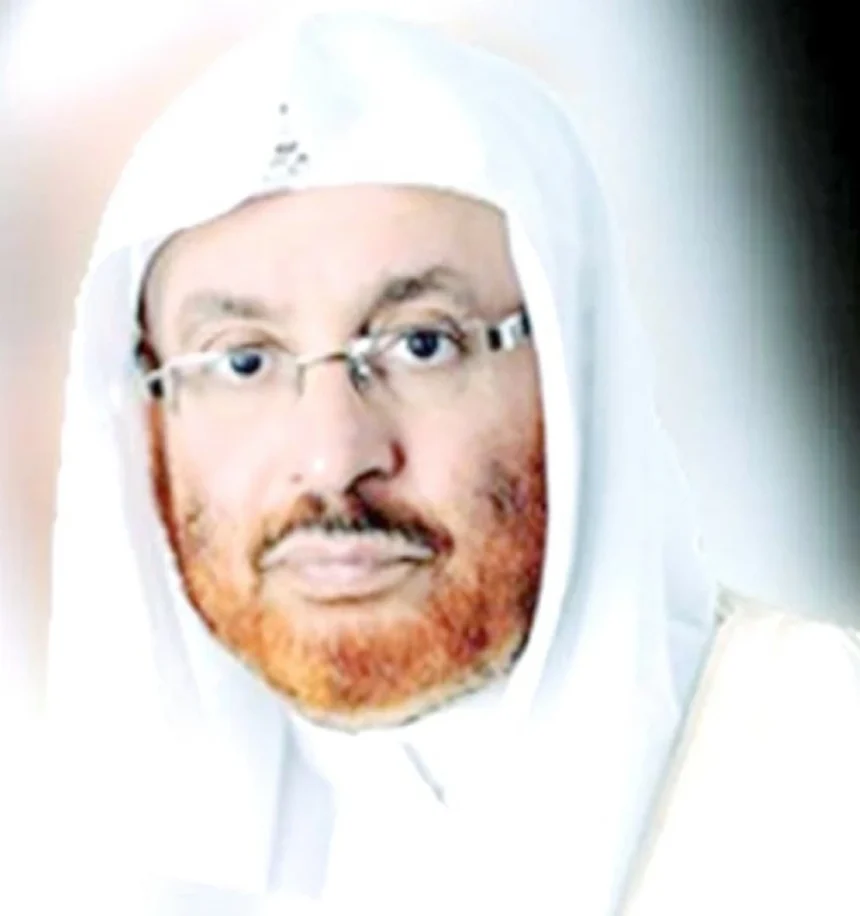
أكد عضو هيئة كبار العلماء سابقاً الدكتور قيس آل الشيخ مبارك، أن الشهادة على رؤية الهلال خبرٌ يستوي فيه الرجل والمرأة، موضحاً صحة وقبول شهادتها على رؤية الهلال.
وأوضح، أنَّ بعض الفقهاء رأوا أنَّ هذا أمرٌ عظيم، يترتب عليه أن يصوم الناسُ رمضان، وأنَّ المرأة مظنَّة الخطأ، وأنَّ مِن واجبات القاضي أنْ يَتثبَّت من حدَّة بصر الشاهد، ومن معرفته بمطالع القمر، ودرجة ارتفاعه فوق الأفق وانحرافه في الأُفق، فيُعتَبر في من يَشهد في رؤية الهلال ما يُعتبر في سائر الشهادات. وقال أبو الوليد الباجي: يُشترط أن تخلو شهادتُه عمَّا يوجب إسقاطها، كما إذا شهدَ رجلٌ أنه رأى الهلالَ قريباً من كبد السماء، أو منحرفاً إلى غير جهة المغرب، أو قبل المَحاق، فهذا يُحكم ببطلان شهادته، لأنه إنْ كان ثقةً وعدلاً فلا شك في أنه واهمٌ، وربما يكون رأى نجماً آخر، أو كوكباً غير الهلال، أو شعرةً في عينه، أو غير ذلك، فالعين ربما تُري الإنسانَ ما لا حقيقة له، وأذكر هنا حكايةً تلخِّصُ لنا اللغط الذي يكثر مع بداية كلِّ رمضان، ومع إقبال كلِّ عيد، مستعيداً ما حكاه ابنُ خلكان في تاريخه إذ قال: «تراءى هلالَ شهرِ رمضان جماعةٌ فيهم أنسُ بن مالك رضي الله عنه، وقد قارب المئة، فقال أنسٌ: قد رأيتُه، هو ذاك، وجعل يشير إليه، فلا يَرونه، ونظر إياسٌ إلى أنس، فإذا شعرةٌ مِن حاجبه قد انْثَنتْ، فمسَحها إياسٌ، وسوَّاها بحاجبه، ثم قال له: يا أبا حمزة، أَرِنا موضع الهلال، فجعل سيدنا أنسٌ ينظر ويقول: ما أراه!».
Dr. Qais Al-Sheikh Mubarak, a former member of the Council of Senior Scholars, confirmed that the testimony regarding the sighting of the crescent moon is valid for both men and women, clarifying the validity and acceptance of a woman’s testimony regarding the sighting of the crescent.
He explained that some jurists believe this is a significant matter, as it leads to people fasting during Ramadan, and that women are often presumed to be mistaken. It is the duty of the judge to verify the sharpness of the witness’s eyesight, their knowledge of the moon’s rising, its height above the horizon, and its deviation in the horizon. The criteria for those who testify to the sighting of the crescent are similar to those for other testimonies. Abu Al-Walid Al-Baji said: It is required that their testimony be free from anything that would invalidate it, such as if a man testified that he saw the crescent near the zenith of the sky, or deviating from the direction of the west, or before the conjunction; this would lead to the invalidation of his testimony. For if he is trustworthy and just, there is no doubt that he is mistaken, and he may have seen another star, or a planet other than the crescent, or a hair in his eye, or something else. The eye may sometimes show a person what has no reality. I recall a story that summarizes the confusion that often arises at the beginning of each Ramadan and with the approach of every holiday, recalling what Ibn Khalkan narrated in his history, where he said: “A group including Anas ibn Malik, may Allah be pleased with him, who was nearing a hundred years old, claimed to have seen the crescent of Ramadan. Anas said: I have seen it, that is it, and he kept pointing to it, but they did not see it. Iyad looked at Anas, and saw that a hair from his eyebrow had bent, so Iyad brushed it and aligned it with his eyebrow, then said to him: O Abu Hamza, show us the location of the crescent. Our master Anas kept looking and saying: I do not see it!”