


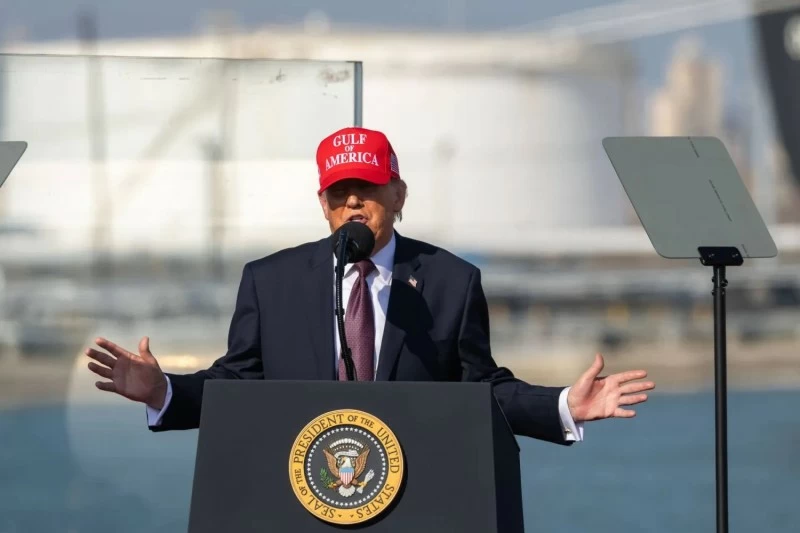
قبل ساعات من انطلاق العملية العسكرية ضد إيران، اتخذ الرئيس الأمريكي دونالد ترمب خطوة مفصلية باستبعاد شركة الذكاء الاصطناعي الأمريكية الناشئة «أنثروبيك» من الاستخدام الحكومي، في قرار يعكس تصاعد التوتر بين «البنتاغون» وشركات التكنولوجيا حول دور الذكاء الاصطناعي في الحروب الحديثة.
وجّه ترمب جميع الوكالات الفيدرالية إلى التوقف فوراً عن استخدام تقنيات «أنثروبيك»، مع منح وزارة الدفاع فترة ستة أشهر للتخلي التدريجي عن الأنظمة القائمة. وقال في منشور على منصة «تروث سوشال»: «نحن لا نحتاجها ولا نريدها ولن نتعامل معها مجدداً».
وجاء القرار بعد تصنيف «البنتاغون» للشركة كخطر محتمل على الأمن القومي، على الرغم من أنها كانت تمتلك عقوداً دفاعية تُقدّر بنحو 200 مليون دولار. وكان الخلاف يتمحور حول رفض «أنثروبيك» السماح باستخدام تقنياتها في التطبيقات العسكرية الحساسة، بما في ذلك الأنظمة المرتبطة بالقوة الفتاكة والمراقبة، معتبرةً أن ذلك يتعارض مع مبادئها وخصوصية المستخدمين.
وفي خطوة مقابلة، أعلن «البنتاغون» التوصل لاتفاق سريع مع شركة «أوبن إيه آي» لنشر نماذج الذكاء الاصطناعي الخاصة بها داخل الشبكات العسكرية المصنفة، مع ضمان إشراف بشري على الأنظمة ومنع استخدامها في المراقبة الجماعية داخل الولايات المتحدة، وفق ما أكد الرئيس التنفيذي للشركة سام ألتمان.
ويشير الخبراء إلى أن توقيت هذه القرارات، قبل ساعات من الضربات على إيران، يظهر أن الذكاء الاصطناعي أصبح جزءاً محورياً من الاستعدادات العسكرية الأمريكية، وأن اختيار الشركاء التكنولوجيين بات يؤثر مباشرة على حسابات القوة والاستراتيجية في ساحة الصراع.
وتبرز الواقعة الصراع المستمر بين مصالح الأمن القومي الأمريكية وحماية المبادئ الأخلاقية للشركات التكنولوجية، في وقت يزداد دور الذكاء الاصطناعي في الحروب الحديثة.
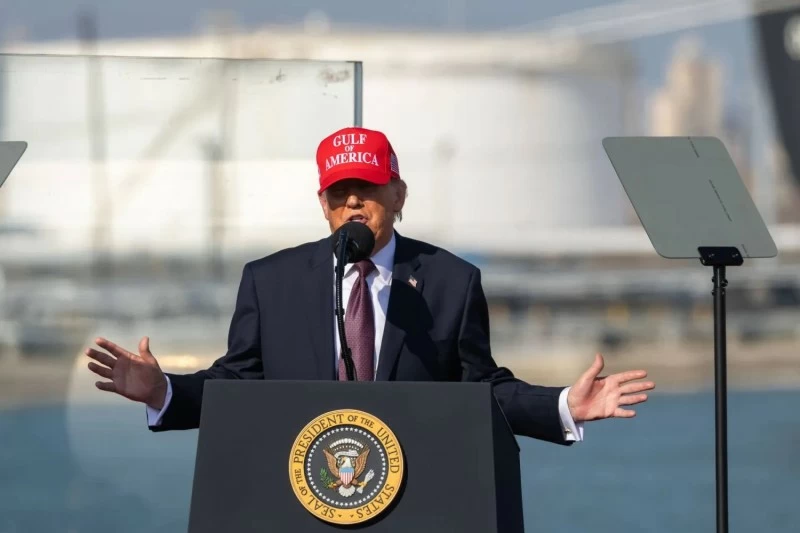
Hours before the military operation against Iran began, U.S. President Donald Trump took a pivotal step by excluding the American startup artificial intelligence company “Anthropic” from government use, in a decision that reflects the rising tensions between the Pentagon and technology companies regarding the role of artificial intelligence in modern warfare.
Trump directed all federal agencies to immediately cease using “Anthropic” technologies, granting the Department of Defense a six-month period to gradually phase out existing systems. He stated in a post on the “Truth Social” platform: “We don’t need it, we don’t want it, and we will not deal with it again.”
The decision came after the Pentagon classified the company as a potential threat to national security, despite it holding defense contracts estimated at around $200 million. The dispute centered on Anthropic’s refusal to allow its technologies to be used in sensitive military applications, including systems related to lethal force and surveillance, considering that such use contradicts its principles and user privacy.
In a corresponding move, the Pentagon announced a swift agreement with “OpenAI” to deploy its artificial intelligence models within classified military networks, ensuring human oversight of the systems and preventing their use in mass surveillance within the United States, as confirmed by the company’s CEO Sam Altman.
Experts point out that the timing of these decisions, just hours before the strikes on Iran, indicates that artificial intelligence has become a crucial part of U.S. military preparations, and that the choice of technological partners is directly influencing power and strategic calculations in the conflict arena.
The incident highlights the ongoing struggle between U.S. national security interests and the ethical principles of technology companies, at a time when the role of artificial intelligence in modern warfare is increasing.