

مع تصاعد المواجهة العسكرية بين إسرائيل وإيران، وازدياد وتيرة التهديدات المتبادلة واستهداف المنشآت الإستراتيجية، عاد مفاعل ديمونة النووي إلى واجهة المخاوف الإقليمية بوصفه أحد أخطر المواقع الحساسة في الشرق الأوسط، ليس لإسرائيل وحدها، بل للمنطقة بأسرها في حال تعرضه لأي ضربة مباشرة أو تسرب إشعاعي.
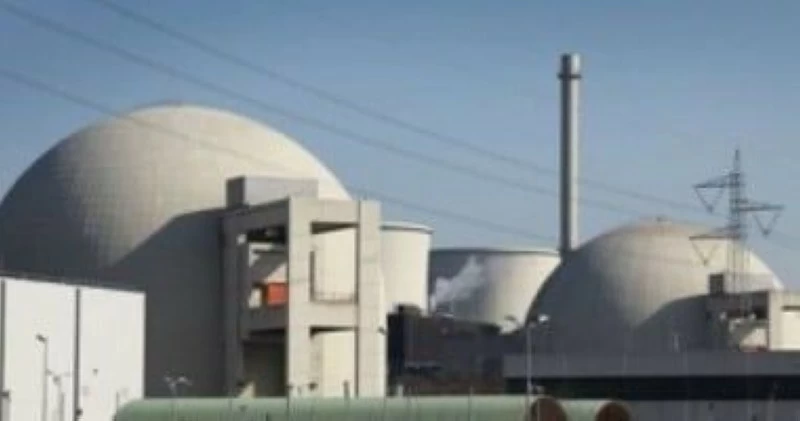
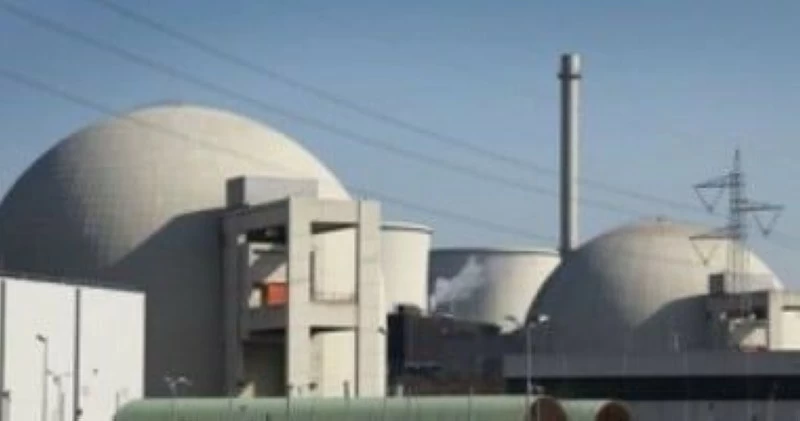
يقع مفاعل ديمونة في صحراء النقب جنوب إسرائيل، على بعد أقل من 150 كيلومترًا من العاصمة الأردنية عمّان، وهو أقدم منشأة نووية في المنطقة، إذ بدأ العمل فيه نهاية خمسينيات القرن الماضي بدعم تقني فرنسي. ومنذ ذلك الحين ظل هذا المفاعل محور سياسة «الغموض النووي» التي تتبعها إسرائيل، إذ لا تعترف رسميًا بامتلاك سلاح نووي، رغم تقديرات دولية تشير إلى امتلاكها ما بين 200 و400 رأس نووي تم تطوير جزء كبير منها اعتمادًا على البلوتونيوم المنتج في هذا المفاعل.
لكن في ظل الحرب الحالية، لم يعد الحديث عن ديمونة نقاشًا نظريًا بقدر ما أصبح سيناريو أمنيًا حقيقيًا، بعدما لوّحت إيران مرارًا بإدراج المفاعل ضمن أهدافها العسكرية، خصوصًا بعد استهداف منشآتها النووية مثل منشأة فوردو. ومع إطلاق الصواريخ باتجاه مناطق جنوب إسرائيل، بما فيها بئر السبع والمناطق القريبة من ديمونة، ارتفعت المخاوف من أن يتحول هذا الموقع النووي إلى نقطة اشتعال قد تتجاوز تداعياتها حدود الصراع العسكري التقليدي.
منشأة قديمة.. ومخاوف متجددة
أحد أبرز مصادر القلق يتعلق بعمر المفاعل نفسه. فالمفاعل الذي بدأ تشغيله قبل أكثر من ستة عقود يُعد من أقدم المفاعلات العاملة في العالم. وقد حذر خبراء إسرائيليون سابقًا، وفق تقارير نشرتها صحيفة «هآرتس»، من أن المفاعل يعاني ما وصفوه بـ”شيخوخة تقنية”، مع تسجيل تشققات في هيكله الفولاذي.
ورغم أن إسرائيل أجرت عمليات تحديث وصيانة على مدى السنوات الماضية، فإن عمر المنشأة الطويل يثير تساؤلات متكررة حول قدرتها على الصمود في حال تعرضت لهجوم مباشر أو حتى لصدمة انفجارية قوية بالقرب منها.
ماذا لو أصيب المفاعل؟
السيناريو الأخطر يتمثل في إصابة منشأة التخزين أو المرافق المرتبطة بالوقود النووي، وهو احتمال قد يؤدي إلى تسرب إشعاعي. لكن خبراء في الطاقة النووية يشيرون إلى أن قلب المفاعل يقع تحت الأرض على عمق يصل إلى 40 أو 50 مترًا تقريبًا، ما يجعل استهدافه المباشر أكثر صعوبة.
في المقابل، يظل الخطر النظري قائمًا إذا تعرضت المنشآت المحيطة أو أنظمة التبريد أو مرافق تخزين الوقود المستنفد لضربة قوية، وهو ما قد يؤدي إلى إطلاق مواد مشعة في الهواء.
تأثير محتمل على الدول المجاورة
الجغرافيا تجعل أي حادث نووي في ديمونة قضية إقليمية. فالأردن هو الدولة الأقرب إلى المفاعل، إذ تقع بعض مناطقه على بعد نحو 25 إلى 30 كيلومترًا فقط من الموقع.
ووفق تقديرات خبراء أردنيين في الطاقة الذرية، فإن نطاق التأثير الإشعاعي المباشر قد يتراوح بين 500 متر وخمسة كيلومترات في أسوأ السيناريوهات، وهي مساحة محدودة نسبيًا وتقع في مناطق صحراوية قليلة السكان. لكن الخطر الأكبر يبقى مرتبطًا بما يسمى السحابة الإشعاعية التي قد تنتقل وفق اتجاه الرياح.
في حال تحركت الرياح شمالًا أو غربًا، فإن مناطق في فلسطين وإسرائيل ستكون الأكثر تعرضًا، بينما قد تصل آثار محدودة إلى الأردن أو حتى وجنوب سوريا. أما إذا تحركت الرياح جنوبًا، فقد تمتد آثار التلوث إلى أجزاء من سيناء المصرية.
قلق يتجاوز الجغرافيا
المشكلة الأساسية لا تكمن في حجم التأثير الإشعاعي فحسب، بل في طبيعة الصراع نفسه. فالمواجهة بين إسرائيل وإيران لا تجري بين جيشين تقليديين فقط، بل في بيئة معقدة تتداخل فيها الصواريخ بعيدة المدى والطائرات المسيّرة والميليشيات الحليفة.
هذا الواقع يثير مخاوف من الخطأ أو الضربة غير المحسوبة، خصوصًا في ظل كثافة الصواريخ التي تطلق في مساحات واسعة، ما يرفع احتمالات إصابة أهداف حساسة عن طريق الخطأ أو نتيجة تقدير خاطئ للمسار.
معضلة نووية
مفاعل ديمونة، الذي ظل لعقود رمزًا للغموض النووي الإسرائيلي، يجد نفسه اليوم في قلب واحدة من أخطر المواجهات العسكرية في الشرق الأوسط. وبينما تستمر إسرائيل في التعتيم على تفاصيل برنامجه، تتزايد الأسئلة حول المخاطر التي قد تترتب على أي استهداف محتمل له.
فالضربة التي قد تبدو عسكرية في ظاهرها قد تتحول، في أسوأ السيناريوهات، إلى أزمة بيئية وإشعاعية عابرة للحدود، تجعل الشرق الأوسط بأسره شريكًا في تداعياتها.
As the military confrontation between Israel and Iran escalates, and the pace of mutual threats and targeting of strategic facilities increases, the Dimona nuclear reactor has returned to the forefront of regional concerns as one of the most dangerous sensitive sites in the Middle East, not just for Israel, but for the entire region in the event of a direct strike or radioactive leak.
The Dimona reactor is located in the Negev Desert in southern Israel, less than 150 kilometers from the Jordanian capital, Amman. It is the oldest nuclear facility in the region, having begun operations in the late 1950s with French technical support. Since then, this reactor has remained the focal point of Israel’s “nuclear ambiguity” policy, as it does not officially acknowledge possessing nuclear weapons, despite international estimates suggesting it has between 200 and 400 nuclear warheads, a significant portion of which were developed based on plutonium produced in this reactor.
However, in light of the current war, discussions about Dimona are no longer theoretical but have become a real security scenario, especially after Iran has repeatedly hinted at including the reactor among its military targets, particularly following attacks on its nuclear facilities like the Fordow facility. With missiles being launched towards southern Israel, including Beersheba and areas near Dimona, fears have risen that this nuclear site could become a flashpoint whose repercussions may exceed the boundaries of traditional military conflict.
An Old Facility… Renewed Concerns
One of the main sources of concern relates to the age of the reactor itself. The reactor, which has been operational for over six decades, is considered one of the oldest operating reactors in the world. Israeli experts have previously warned, according to reports published by the newspaper “Haaretz,” that the reactor suffers from what they describe as “technical aging,” with cracks reported in its steel structure.
Although Israel has conducted upgrades and maintenance over the past years, the long lifespan of the facility raises recurring questions about its ability to withstand a direct attack or even a strong explosive shock nearby.
What if the reactor is hit?
The most dangerous scenario involves damage to the storage facility or the facilities associated with nuclear fuel, a possibility that could lead to a radioactive leak. However, nuclear energy experts point out that the reactor’s core is located underground at a depth of approximately 40 to 50 meters, making direct targeting more difficult.
Conversely, the theoretical danger remains if surrounding facilities, cooling systems, or spent fuel storage facilities are struck hard, which could lead to the release of radioactive materials into the air.
Potential Impact on Neighboring Countries
The geography makes any nuclear incident at Dimona a regional issue. Jordan is the country closest to the reactor, with some of its areas located about 25 to 30 kilometers from the site.
According to estimates from Jordanian atomic energy experts, the range of direct radioactive impact could vary between 500 meters and five kilometers in the worst-case scenarios, which is a relatively limited area located in sparsely populated desert regions. However, the greater danger remains linked to what is called the radioactive cloud that could disperse according to wind direction.
If the winds move northward or westward, areas in Palestine and Israel would be the most affected, while limited effects could reach Jordan or even southern Syria. If the winds move southward, the contamination effects could extend to parts of the Egyptian Sinai.
Concerns Beyond Geography
The fundamental problem lies not only in the magnitude of the radioactive impact but also in the nature of the conflict itself. The confrontation between Israel and Iran is not merely between two conventional armies, but occurs in a complex environment where long-range missiles, drones, and allied militias intersect.
This reality raises fears of miscalculations or unintended strikes, especially given the density of missiles being launched over wide areas, which increases the likelihood of sensitive targets being hit by mistake or due to a misjudgment of trajectory.
A Nuclear Dilemma
The Dimona reactor, which has remained for decades a symbol of Israeli nuclear ambiguity, now finds itself at the heart of one of the most dangerous military confrontations in the Middle East. While Israel continues to obscure the details of its program, questions are mounting about the risks that could arise from any potential targeting of it.
A strike that may appear military on the surface could, in the worst-case scenarios, turn into a cross-border environmental and radiological crisis, making the entire Middle East a partner in its repercussions.