
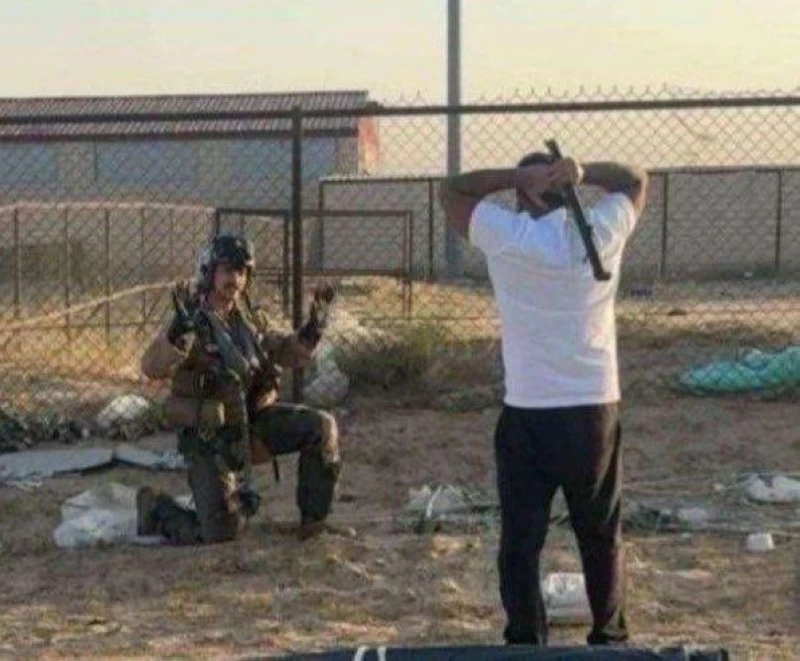
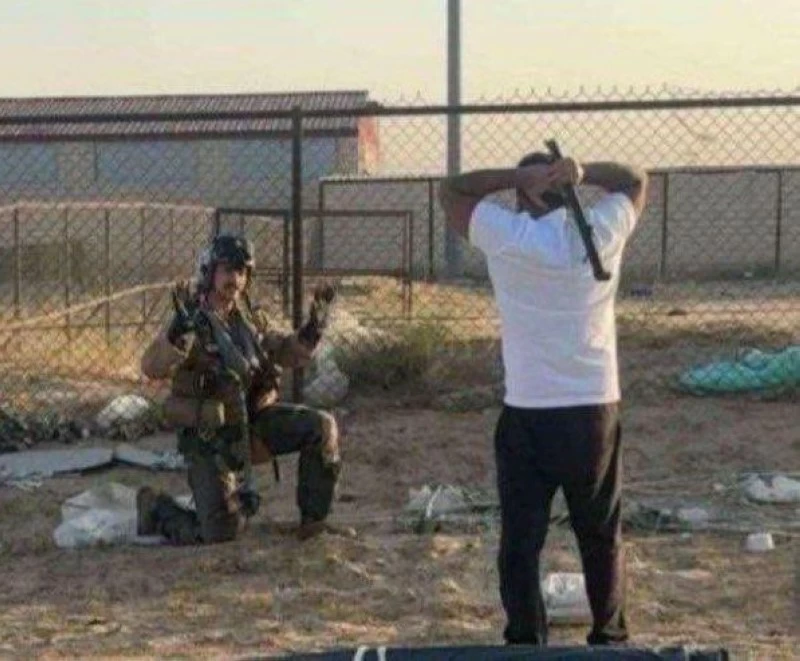
كشفت تقارير حديثة أن الطيارين الأمريكيين الذين أُسقطت طائراتهم خلال العمليات العسكرية فوق الكويت، كانوا يحملون ما يُعرف بـ«بطاقة الدم»، وهي رسالة استغاثة تُخاط داخل السترة العسكرية، لاستخدامها في حال السقوط خلف خطوط القتال أو في مناطق غير مأمونة.
وتُعد هذه البطاقة جزءاً من تجهيزات الطيارين في المهام القتالية، تحسباً لسيناريوهات العزلة أو الوقوع في الأسر.
رسالة بخمس لغات
تحمل «بطاقة الدم» رسالة مكتوبة بخمس لغات: الإنجليزية، العربية، التركية، الفارسية، والكردية، وجاء في نصها: «أنا أمريكي ولا أتحدث لغتكم. لن أسبب لكم أي أذى. أرجو تزويدي بالطعام والماء والمأوى والملبس والطبيب. ساعدوني للوصول إلى القوات الأمريكية أو القوات الصديقة. عند إبلاغ السلطات الأمريكية باسمي وهذا الرقم، ستحصلون على مكافأة».
وصيغت الرسالة بلغة مباشرة ومختصرة، تهدف إلى طمأنة من يعثر على الطيار، والتأكيد على أنه لا يشكل تهديداً، بل يطلب الحد الأدنى من مقومات البقاء.
دلالات إنسانية وعسكرية
وتحمل البطاقة أبعاداً إنسانية وعسكرية في آنٍ واحد؛ فهي تعكس إدراكاً لاحتمال السقوط خلف خطوط القتال، كما تكشف عن محاولة لفتح قناة تواصل مباشرة مع المدنيين بعيداً عن لغة السلاح.
كما تتضمن حافزاً مادياً لمن يقدّم المساعدة، في مسعى لتعزيز فرص النجاة وتقليل مخاطر التعرض للاعتداء أو التسليم لجهات معادية.
استخدام تاريخي في النزاعات
يُذكر أن القوات الجوية الأمريكية استخدمت مثل هذه البطاقات في نزاعات متعددة، لا سيما خلال القرن العشرين، عندما كان احتمال إسقاط الطائرات قائماً في بيئات جغرافية وثقافية متباينة. وكانت صياغة الرسالة تتم بعناية لتجمع بين التعريف بالهوية، وطلب الحماية، وتقديم مقابل مادي للمساعدة.
وجه آخر للحروب الحديثة
وتعكس «بطاقة الدم» جانباً من طبيعة الحروب الحديثة، حيث لا يقتصر الصراع على المواجهة العسكرية المباشرة، بل يمتد إلى سيناريوهات النجاة الفردية، والاعتماد على تفاعل المدنيين في لحظات حرجة قد تفصل بين الحياة والموت، في مشهد يكشف البعد الإنساني الخفي خلف ساحات القتال.
Recent reports have revealed that American pilots whose planes were shot down during military operations over Kuwait carried what is known as a “blood card,” which is a distress message written inside their military jacket, to be used in the event of falling behind enemy lines or in unsafe areas.
This card is part of the pilots’ gear for combat missions, in anticipation of scenarios involving isolation or capture.
A message in five languages
The “blood card” contains a message written in five languages: English, Arabic, Turkish, Persian, and Kurdish, stating: “I am American and I do not speak your language. I will not cause you any harm. Please provide me with food, water, shelter, clothing, and a doctor. Help me reach American or friendly forces. When you inform the American authorities of my name and this number, you will receive a reward.”
The message is phrased in a direct and concise manner, aimed at reassuring whoever finds the pilot and confirming that he does not pose a threat, but rather requests the minimum essentials for survival.
Humanitarian and military implications
The card carries both humanitarian and military dimensions; it reflects an awareness of the possibility of falling behind enemy lines, as well as an attempt to establish a direct line of communication with civilians away from the language of weapons.
It also includes a financial incentive for those who provide assistance, in an effort to enhance survival chances and reduce the risks of being attacked or handed over to hostile entities.
Historical use in conflicts
It is noted that the U.S. Air Force has used such cards in various conflicts, especially during the twentieth century, when the likelihood of aircraft being shot down existed in diverse geographical and cultural environments. The wording of the message was carefully crafted to combine identity recognition, a request for protection, and an offer of material compensation for assistance.
Another facet of modern warfare
The “blood card” reflects an aspect of the nature of modern wars, where conflict is not limited to direct military confrontation but extends to scenarios of individual survival, relying on civilian interaction in critical moments that may separate life from death, revealing the hidden humanitarian dimension behind the battlefields.