يشير الباحث اليمني محمد حسين العمري، في بحث له عن تاريخ الغناء اليمني، إلى أن اليمن عرف الغناء والآلات الموسيقية منذ حضارات ما قبل الميلاد، مستشهداً بنقوش كثيرة لآلة العود تم اكتشافها في أكثر من موقع يمني، وبما ذكره المسعودي (ت: 956م) في «مروج الذهب»، من أن الغناء في اليمن يرجع إلى عهد عاد، وبما خلص إلى قوله المستشرق البريطاني «هنري فارمر» من أن العرب في ممالك جنوب الجزيرة العربية بلغوا المراتب السامية التي بلغها الساميون قبلهم في مجال الموسيقى. ويستطرد الباحث ليؤكد، أن الموسيقى العربية بدأت تزدهر وتنمو في مناطق ثلاث: سوريا والعراق وغرب الجزيرة العربية.. قادمة من جنوب الجزيرة، وأن المصادر التي تؤرخ للموسيقى العربية لا تخلو من ذكر اليمن ودور أبنائها في صناعتها.
ومما ذكره الباحث أيضاً، أن أول من غنى قبل الإسلام وبعد ظهور الإسلام كانوا من اليمن وحضرموت، مشيراً إلى «الإصفهاني» وإلى «طويس» الذي كان أول من أدخل الإيقاع إلى الغناء العربي. وطبقاً للباحث العمري فإن أعلام الموسيقى في العهدين الأموي والعباسي مثل «إسحاق الموصلي» و«زرياب» ساروا على درب اليمني طويس وأخذوا منه وطوروه وأشاعوه ثم نقلوه إلى الأندلس، فظهرت الموشحات «التي هي بالأصل من اليمن، إذ إن جذور كلمات الموشح وتراكيبه ومذاهبه تشبه الأصل اليمني، وقد رأى ذلك الكثير من الباحثين مثل الرفاعي في كتابه «الحميني الحلقة المفقودة في امتداد عربية الموشح الأندلسي»، ومن قبله المؤرخ محمد عبده غانم» حسب قوله.
كانت تلك توطئة لتوثيق سيرة علم من أعلام الغناء اليمني بأشكاله المختلفة والمتنوعة، ورائد من رواد تجديده، ومساهم فذ في انتشاره إلى خارج حدود بلاده وترسيخه على الساحة العربية، ومؤرخ لتاريخه الطويل الممتد من الحقب السحيقة إلى وقتنا الحاضر، وصاحب تجربة فنية مثيرة استمرت على مدى ستة عقود، نجح خلالها في أن يكون أحد أساطين التجديد الغنائي، وممن أسهموا في إثراء الأغنية اليمنية وتطويرها وتقديم تراثها وفلكلورها الغزير والمتنوع بأسلوب عبقري من الإبداع والجمال من خلال مدرسته ورؤيته الخاصة الأصيلة وشغفه العميق بإحياء التراث وحراسته.
الإشارة هنا هي إلى المطرب والملحن والناقد والمؤرخ الموسيقي اليمني «محمد مرشد ناجي» الشهير باسم «المرشدي»، الذي قال عنه مواطنه أحمد الأغبري في مجلة الموسيقى العربية (28/2/2022): ما مفاده أنه لم يلتحق بمعهد للموسيقى، ولم يكمل تعليمه النظامي، لكنه استطاع أن يتجاوز قسوة ظروفه المعيشية، ويُطوِّر موهبته، ويرتقي برؤيته من خلال قراءاته المتواصلة واحتكاكه بالرموز والقامات الفكرية والوطنية إلى أن تبلور مشروعه الفني، فكانت انطلاقته من وعي وطني لازمه منذ وقت مبكر من عمره، ومن قناعة قوية بدور الفن في الإرتقاء بالمجتمع، ومن شغف أصيل بالتراث اليمني الغنائي وإلمام واسع بقضايا الموسيقى العربية.
ومما لا شك فيه أن البيئة التي نشأ وترعرع فيها لعبت دوراً مهماً في نبوغه وعبقريته من غير دراسة أكاديمية، فعدن التي ولد ونشأ واكتمل وعيه فيها لم تكن وقتها كباقي المدن اليمنية، فقد كانت مختلفة ومزدهرة وسابقة لغيرها بمسافات ضوئية لجهة الحداثة والمدنية والانفتاح والتعددية الثقافية والسياسية والصخب الفكري والسياسي.
ولد المرشدي في السادس من نوفمبر 1929 بمديرية الشيخ عثمان في عدن لأسرة فقيرة متواضعة الحال والإمكانات، مكونة من أب عدني وأم عربية صومالية منحدرة من قبيلة دارود. إلتحق للدراسة في الكتَّاب بحارة القحم، فختم القرآن الكريم على يد الفقيه أحمد الجبلي في سن مبكرة، فأقام له والده حفلاً كبيراً على عادة مجتمعه آنذاك. ثم التحق بإحدى المدارس الإبتدائية الحكومية، فأكمل تعليمه الابتدائي، ليلتحق بعدها بالمدرسة المتوسطة في كريتر، لكن دون أن يستمر بها، حيث تركها والتحق بمدرسة الإرسالية الكاثوليكية أو ما كان يعرف بـ «مدرسة البادري» التي انشغل فيها بممارسة رياضة كرة القدم حتى صار نجماً رياضياً ذا عشاق وجمهور أطلقوا عليه اسم «المرشدي». ويبدو أن الذهاب والإياب إلى تلك المدرسة البعيدة عن منزله بنحو 20 كيلومتراً أنهكا قواه، فقرر تركها والالتحاق بدلاً من ذلك بكتَّاب «السيد صالح حسن تركي» لتعليم اللغة الإنجليزية، حيث واصل تعليمه لبعض الوقت سعيداً، بتتلمذه على يد الأخير الذي كان مؤلف أغانٍ ومغنياً وعازف كمان. وذات يوم، وهو على مقاعد دراسته، انتشر خبر مفاده أن مستشفى الجيش الهندي بحاجة إلى ممرضين من مواليد عدن وستقام دورات تدريبية للمقبولين، فتقدم صاحبنا للعمل وتم قبوله وعين مترجماً بين الطبيب والمريض.
بداية انشغاله بالفن كان من البيت، حيث تأثر وهو صغير بوالده، الذي كان يهوى الغناء ويجيده ويؤديه كل يوم، وحينما التحق بمدرسته الابتدائية راح يغني لزملائه فقوبل بالتشجيع، وتنبه لموهبته استاذه أحمد حسن عبداللطيف، فشجعه على تقديم الأغاني المحلية والأناشيد الوطنية، بل كان يزوره في بيت والديه للاستماع إليه. وهذا بدوره حمس الفتى المرشدي لتجاوز خجله والوقوف على المسارح للغناء في حفلات الأعراس، بعد أن تعلم العزف على عود اشتراه له أحد أقاربه في فترة قياسية.
ورويداً رويداً انتشر اسمه وأصبح مشهوراً. ثم قادته الشهرة التي اكتسبها في فترة قصيرة إلى الانضمام إلى «الندوة الموسيقية العدنية» (نادٍ فني تأسس سنة 1949 على يد خليل محمد خليل وآخرين لتكون امتداداً للتطور الثقافي والأدبي والغنائي في عدن)، بدعوة من الشاعر اليمني أحمد حسن حنبلة، فراح يؤدي أمام أعضاء النادي ما حفظه من تراث الأغاني اليمنية وبعض الأغاني المصرية، الأمر الذي أعجب المستمعين فشجعوه. ثم راح يحتك بالفنانين المحليين الكبار ويستفيد منهم لتطوير تجربته. وذات يوم من عام 1951 سمعه الشاعر الراحل محمد سعيد جرادة فتفاجأ بصوته الجميل واقترح عليه أن يلحن ويغني إحدى قصائده، فكتب له قصيدة بعنوان «وقفة»، فأخذها المرشدي ولحنها وغناها، وكانت باكورة أغانيه وأنجحها. ومن هنا بدأت مسيرته الفنية لتستمر على مدى العقود الستة التالية، حافلة بالعطاء وتقديم الألوان المتنوعة من الغناء اليمني كالحضرمية واليافعية واللحجية والعدنية والتهامية، والمساهمة في إخراج اللون الصنعاني من نطاقه الضيق.
وتجلت إبداعاته الغنائية واللحنية في عدد كبير من الأعمال التي أداها من ألحانه وكلمات شعراء كبار قدامى وجدد، ومنها: «صادت فؤادي»، «اللقاء العظيم»، «زمان الصبا»، «يا من سلب نوم عيني»، «الفل والورد»، «أنا من ناظري»، «عظيم الشأن»، «صادت عيون المها»، «أخضر جهيش»، «بيني وبينك»، «دا كان زمان يا صاح»، «صلاة قلب»، «ضناني الشوق»، «يا للي أنكرت الحب»، «نظرة من مقلتيها»، «لا تخجلي»، «ما زلت أهواك»، «يا نجم يا ساهر»، «ذات الخال»، «هجرت وأبعدتني»، «شبابك ندى ريان»، «ظبي من شمسان»، «ودعت حبك»، «مش مصدق»، «حبيبي جاني»، «يا ابن الناس حبيتك»، «يا سائلي عن هوى المحبوب»، «ليه يا بوي»، «يا ميناء التواهي حبك في القلوب»، «يا أبها انتي وأنا بالأنس والدندنة»، وغيرها.
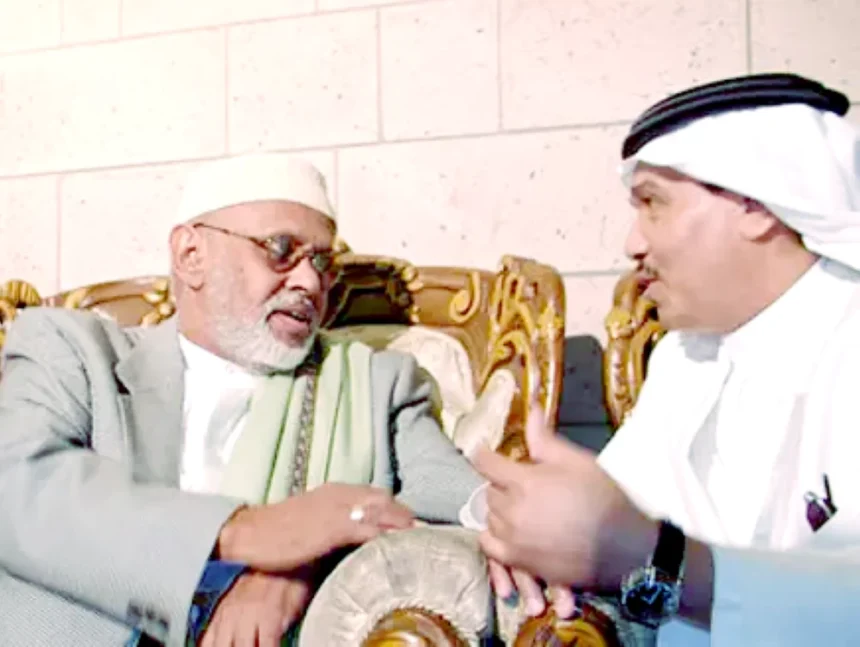
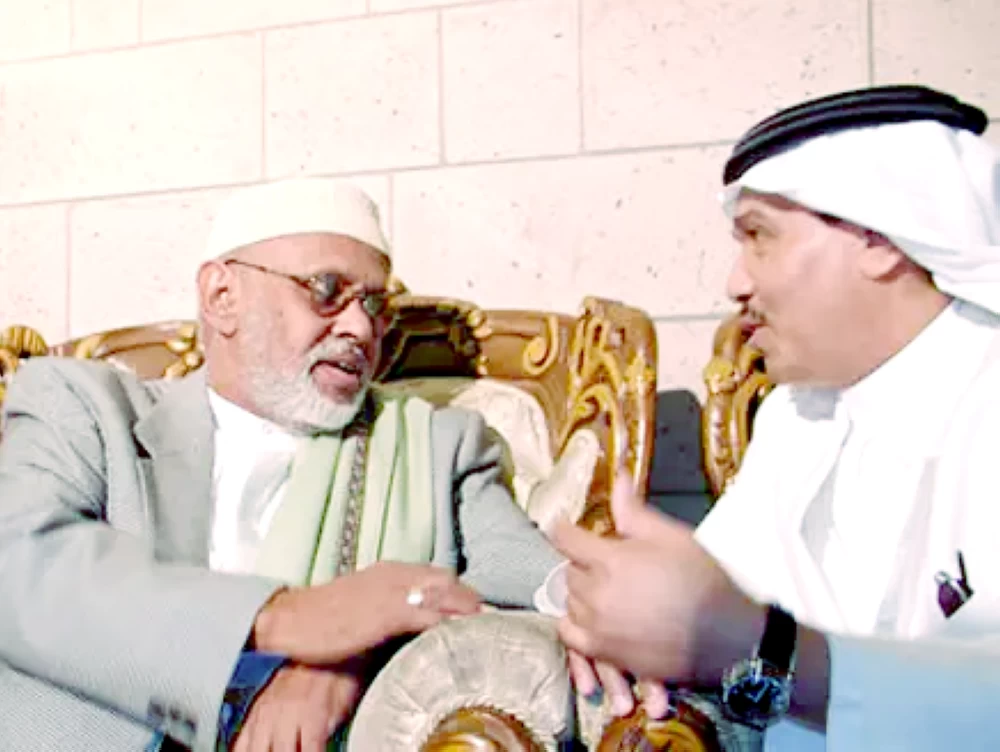
ويمكن القول، إن نجاحات المرشدي تعززت وترسخت بفضل ثلاثة عوامل، أولها تنويع أعماله الغنائية واللحنية فلقي القبول لدى مختلف مكونات المجتمع اليمني في شمال البلاد وجنوبه وفي المهجر، وثانيها اعتماده في الإنتشار على إذاعة عدن، منذ تأسيسها سنة 1954، التي كانت تسجل أغانيه مقابل 8 شلنات للأغنية، فوصل صوته إلى كل بيت، وثالثها حرصه منذ منتصف الستينات على المشاركة في الجلسات والفعاليات الطربية والحفلات الاجتماعية المقامة في دول الخليج والجزيرة العربية، فشاع صيته وفنه خارج الجغرافيا اليمنية، خصوصا بعد أن قدم ألحانه لفنانين عرب معروفين مثل الفنان السعودي محمد عبده (أغنية ضناني الشوق) والفنان السوري فهد بلان (أغنية يانجم يا ساهر). غير أن ما حظي به من احترام وتقدير في أوساط جمهوره، لئن جاء بعضه من أصالة أعماله وتنوعها وصوته المخملي، فإن بعضه الآخر كان بسبب حرصه على الابتعاد عن الغناء الهابط وفن الأنس والتسلية، وعدم الاستسلام لأذواق العامة من رواد المخادر (بدليل قوله ذات مرة أنه لا يحب أن يصنف كمغنواتي أو مطرب يسلي ويدغدغ العواطف وإنما كفنان مثقف)، وجاء بعضه الثالث من دوره في مرحلة الحراك السياسي والثقافي ضد المستعمر البريطاني في جنوب اليمن في خمسينات وستينات القرن العشرين. حيث تشير المصادر التي اطلعت عليها أن قناعاته امتزجت بقضايا وطنه ومواطنيه، فحمل السلاح في شبابه المبكر لمواجهة الإنجليز، قبل أن يستخدم ضدهم سلاح الأغنية السياسية والوطنية الحماسية.
التجديد في الغناء
اتجه المرشدي، بعد ترسخ نجوميته، إلى التجديد والتطوير، سواء على مستوى الغناء أو اللحن، أو في ما خص التعامل اللحني مع القصيدة الفصحى، مستفيداً بتعمق من الضروب التقليدية والموازين الشعبية في اليمن، طبقاً للناقد جابر علي أحمد في كتابه «حاضر الغناء في اليمن»، الذي كتب ما مفاده أن المرشدي رائد من روّاد التجديد الغنائي في اليمن، وأنه بزّ غيره في بعض الجوانب، وقدّم أعمالاً تميزت بتنوعها الإيقاعي، وتمكن من تطويل الجملة الموسيقية، ونجح في تجاوز الهياكل اللحنية للغناء التقليدي والمزج بين العناصر التقليدية والعناصر المستحدثة مع ميل واضح لتغليب عناصر التحديث. وهذا ما أكده الأديب الدكتور عبدالعزيز المقالح في تقديمه للكتاب الذي أصدره المرشدي في عام 1983 تحت عنوان «الغناء اليمني القديم ومشاهيره»، حينما كتب: «كان تجديده كغنائه مقبولاً وموصولاً بالمقومات الأساسية التي تجعل من الغناء تعبيراً مباشراً عن أشجان البشر وأحلامهم وعن أرضهم ومجال الطبيعة في بلاده».
وبالتزامن اشتغل المرشدي على حراسة التراث الغنائي اليمني وتوثيقه، من خلال البحث والدراسة وإصدار الكتب مثل: كتاب «أغانينا الشعبية» في عام 1959، وكتاب «الغناء اليمني القديم ومشاهيره» في عام 1983، وكتاب «صفحات من الذكريات» في عام 2000، وكتاب «أغنيات وحكايات» في عام 2001. ويشكل هذا الجهد البحثي دليلاً على اهتمام الرجل بالارتقاء بنفسه وثقافته وتراث بلده الفني، أو كما قال الدكتور المقالح: إنه «الفنان الوحيد في عدن الذي يسعى إلى تطوير ثقافته الفنية والأدبية، والوحيد الذي تشغله اهتمامات الجمع بين الفن والثقافة».
مناصب رسمية وتكريم
هذه المسيرة الفنية الطويلة وما صاحبها من ألق وجهد وبحث معجون بوطنية صادقة وانتماء حقيقي لبلده وناسه، كان لا بد أن تقوده إلى عدد من المناصب الرسمية من باب التقدير لشخصه، فتولى مثلاً عضوية مجلس الشعب طوال ثمانينات القرن العشرين، ورئاسة اتحاد الفنانين اليمنيين، وبعد قيام الوحدة اليمنية سنة 1990، صار مستشاراً لوزير الثقافة، ثم انتخب في عام 1997 عضواً بمجلس النواب. إلى ذلك، تمّ تكريمه في العديد من المناسبات داخل اليمن وخارجه. فمثلاً حصل على وسام الفنون من الدرجة الأولى من الرئيس اليمني سنة 1982، ووسام 30 نوفمبر سنة 1997، وكرمته وزارة التراث والثقافة العمانية سنة 2001، وفي العام نفسه تمّ تكريمه في البحرين واحداً من رواد الأغنية العربية، وحاز في عام 2002 على جائزة الأغنية المتكاملة في مهرجان أبها في السعودية، وتمّ تكريمه سنة 2003 في باريس من قبل معهد العالم العربي، وفي العام نفسه حصل على درع اتحاد الأدباء والكتاب اليمنيين، وفي عام 2004 نال جائزة عمر الجاوي للإبداع، وكرمته وزارة الثقافة اليمنية بمناسبة اختيار صنعاء عاصمة للثقافة العربية، وفي سنة 2008 حصل على تكريم خاص في مهرجان وملتقى الرواد والمبدعين العرب في دمشق، تقديراً وعرفاناً بدوره الموسيقي الحافل على مدى نصف قرن.
في السابع من فبراير 2013 رحل المرشدي إلى مثواه، بعد تدهور صحته خلال سنواته الأخيرة، وفشل علاجه من ضيق في شرايين القلب على حساب الدولة في سوريا والهند، وكذا علاجه على نفقته الخاصة بالأردن.
The Yemeni researcher Muhammad Hussein Al-Amri, in his study on the history of Yemeni singing, points out that Yemen has known singing and musical instruments since pre-Christian civilizations, citing numerous inscriptions of the oud discovered in more than one Yemeni site, as well as what Al-Mas’udi (d. 956 AD) mentioned in “Murooj al-Dhahab,” that singing in Yemen dates back to the era of ‘Aad, and what the British orientalist Henry Farmer concluded that the Arabs in the kingdoms of southern Arabia reached the high ranks that the Semites before them achieved in the field of music. The researcher continues to affirm that Arabic music began to flourish and grow in three areas: Syria, Iraq, and western Arabia, coming from southern Arabia, and that the sources that document Arabic music do not lack mentions of Yemen and the role of its people in its creation.
Additionally, the researcher noted that the first singers before and after the emergence of Islam were from Yemen and Hadramout, referring to “Al-Isfahani” and to “Tawis,” who was the first to introduce rhythm to Arabic singing. According to researcher Al-Amri, the musical icons of the Umayyad and Abbasid eras, such as “Ishaq Al-Mawsili” and “Ziryab,” followed the path of the Yemeni Tawis, took from him, developed it, and spread it before transferring it to Andalusia, where the “Muwashahat” appeared, which originally came from Yemen, as the roots of the words and structures of the Muwashah resemble the Yemeni origin. Many researchers, such as Al-Rifai in his book “Al-Hamimi: The Missing Link in the Extension of Arabic Muwashah in Andalusia,” and before him, historian Muhammad Abduh Ghanem, have noted this, according to his statement.
This was a prelude to documenting the biography of a prominent figure in Yemeni singing in its various forms, a pioneer of its renewal, an exceptional contributor to its spread beyond the borders of his country, and a historian of its long history extending from ancient times to the present, possessing an exciting artistic experience that lasted for six decades, during which he succeeded in becoming one of the pillars of musical renewal and contributed to enriching and developing Yemeni song and presenting its rich and diverse heritage and folklore in a brilliant style of creativity and beauty through his unique school and vision, and his deep passion for reviving and safeguarding heritage.
The reference here is to the singer, composer, critic, and music historian Muhammad Murshid Naji, famously known as “Al-Murshidi,” who was described by his compatriot Ahmed Al-Aghbari in the Arabic Music Magazine (28/2/2022) as someone who did not attend a music institute and did not complete his formal education, yet he managed to overcome the harshness of his living conditions, develop his talent, and elevate his vision through continuous reading and interaction with intellectual and national figures until his artistic project crystallized, launching from a national awareness that accompanied him from an early age and a strong conviction of the role of art in elevating society, along with a genuine passion for Yemeni musical heritage and a broad understanding of Arab music issues.
There is no doubt that the environment in which he grew up played an important role in his genius without academic study. Aden, where he was born, raised, and became aware, was not like other Yemeni cities at that time; it was different, flourishing, and ahead of others by light-years in terms of modernity, civilization, openness, cultural and political pluralism, and intellectual and political vibrancy.
Al-Murshidi was born on November 6, 1929, in the Sheikh Othman district of Aden to a poor family of modest means, consisting of a father from Aden and a Somali Arab mother descended from the Darod tribe. He enrolled in a Kuttab (Quran school) in Al-Qahm neighborhood, where he memorized the Holy Quran at a young age under the tutelage of the scholar Ahmed Al-Jabali, after which his father held a large celebration in accordance with the customs of his community at that time. He then joined a government primary school, completing his primary education, before enrolling in a middle school in Crater, but did not continue there, as he left it to join the Catholic missionary school, known as “Al-Badri School,” where he became involved in playing football until he became a sports star with fans who called him “Al-Murshidi.” It seems that the daily commute to that school, about 20 kilometers from his home, exhausted him, so he decided to leave it and instead join the Kuttab of “Sayyid Saleh Hassan Turki” to learn English, where he continued his education for some time, happy to be taught by the latter, who was a songwriter, singer, and violinist. One day, while in class, news spread that the Indian Army Hospital needed nurses born in Aden and would hold training courses for the accepted candidates, so our protagonist applied for the job, was accepted, and appointed as a translator between the doctor and the patient.
His initial engagement with art began at home, where he was influenced as a child by his father, who loved singing and performed it every day. When he joined his primary school, he began singing for his classmates and received encouragement, and his teacher Ahmed Hassan Abdul-Latif noticed his talent and encouraged him to present local songs and national anthems, even visiting him at his parents’ house to listen to him. This, in turn, motivated the young Al-Murshidi to overcome his shyness and perform on stage at wedding celebrations after learning to play the oud that a relative bought for him in a short period.
Gradually, his name spread, and he became famous. Then, the fame he gained in a short time led him to join the “Aden Musical Forum” (an artistic club established in 1949 by Khalil Muhammad Khalil and others to extend the cultural, literary, and musical development in Aden), at the invitation of Yemeni poet Ahmed Hassan Hanbala, where he began performing for the club members what he had memorized from the heritage of Yemeni songs and some Egyptian songs, which impressed the listeners and encouraged him. He then interacted with prominent local artists and benefited from them to develop his experience. One day in 1951, the late poet Muhammad Said Jaradah heard him and was surprised by his beautiful voice, suggesting that he compose and sing one of his poems. He wrote a poem titled “Waqfa,” which Al-Murshidi took, composed, and sang, marking the beginning of his songs and the most successful one. From here, his artistic journey began, continuing for the following six decades, filled with contributions and offering various styles of Yemeni singing such as Hadrami, Yafa’i, Lahji, Adeni, and Tihami, and contributing to bringing the San’ani style out of its narrow scope.
His musical and lyrical creativity was manifested in a large number of works he performed from his own compositions and the words of great old and new poets, including: “Sadat Fuadi,” “The Great Encounter,” “The Time of Youth,” “O You Who Stole the Sleep from My Eyes,” “The Jasmine and the Roses,” “I Am from Your Gaze,” “Great in Status,” “The Eyes of the Antelope Captured,” “Green Juhaysh,” “Between You and Me,” “That Was a Time, My Friend,” “Prayer of the Heart,” “Longing Has Wasted Me,” “O You Who Denied Love,” “A Glance from Her Eyes,” “Do Not Be Ashamed,” “I Still Love You,” “O Star, O Sleepless One,” “The One with the Mole,” “You Left and Distanced Me,” “Your Youth is Dewy,” “A Gazelle from Shamsan,” “I Bid Farewell to Your Love,” “I Can’t Believe,” “My Beloved Came to Me,” “O Son of People, I Loved You,” “O You Who Ask About the Beloved’s Love,” “Why, O My Father,” “O Port of Tawahi, Your Love is in Hearts,” “O Beautiful One, You and I in Joy and Melodies,” and others.
It can be said that Al-Murshidi’s successes were reinforced and solidified by three factors: the first being the diversity of his musical and lyrical works, which gained acceptance among various components of Yemeni society in the north and south of the country and in the diaspora; the second being his reliance on the Aden Radio for dissemination since its establishment in 1954, which recorded his songs for 8 shillings per song, allowing his voice to reach every home; and the third being his commitment since the mid-1960s to participate in musical sessions, artistic events, and social parties held in the Gulf and Arabian Peninsula, which spread his fame and art beyond Yemeni geography, especially after he presented his melodies to well-known Arab artists such as Saudi artist Muhammad Abdu (the song “Dhanani Al-Shawq”) and Syrian artist Fhad Blan (the song “O Star, O Sleepless One”). However, the respect and appreciation he received from his audience, while partly stemming from the authenticity and diversity of his works and his velvet voice, also came from his commitment to staying away from low-quality singing and entertainment art, and not succumbing to the tastes of the general public from the patrons of the “Makhadir” (as evidenced by his statement once that he does not like to be classified as a singer or entertainer who tickles emotions but rather as a cultured artist), and partly from his role in the political and cultural movement against the British colonizer in southern Yemen in the 1950s and 1960s. Sources I reviewed indicate that his convictions intertwined with the issues of his homeland and its citizens, as he took up arms in his early youth to confront the British before using the weapon of political and patriotic song.
Renewal in Singing
After solidifying his stardom, Al-Murshidi turned to renewal and development, whether in singing or melody, or in his musical treatment of classical poetry, benefiting from a deep understanding of traditional forms and popular rhythms in Yemen, according to critic Jaber Ali Ahmed in his book “The Present of Singing in Yemen,” which states that Al-Murshidi is a pioneer of musical renewal in Yemen, surpassing others in some aspects, and presenting works characterized by rhythmic diversity. He managed to extend the musical phrase and succeeded in transcending the melodic structures of traditional singing, blending traditional elements with newly introduced elements with a clear tendency to favor modernity. This was confirmed by writer Dr. Abdulaziz Al-Maqalih in his introduction to the book published by Al-Murshidi in 1983 titled “Ancient Yemeni Singing and Its Celebrities,” when he wrote: “His renewal, like his singing, was accepted and connected to the essential components that make singing a direct expression of human emotions and dreams and of their land and the realm of nature in their country.”
Simultaneously, Al-Murshidi worked on safeguarding and documenting Yemeni musical heritage through research and study, publishing books such as “Our Popular Songs” in 1959, “Ancient Yemeni Singing and Its Celebrities” in 1983, “Pages from Memories” in 2000, and “Songs and Tales” in 2001. This research effort serves as evidence of the man’s interest in elevating himself, his culture, and the artistic heritage of his country, or as Dr. Al-Maqalih said: he is “the only artist in Aden who seeks to develop his artistic and literary culture, and the only one preoccupied with the interests of combining art and culture.”
Official Positions and Honors
This long artistic journey, accompanied by brilliance, effort, and research infused with sincere patriotism and genuine belonging to his country and its people, inevitably led him to several official positions in recognition of his personality. For example, he served as a member of the People’s Council throughout the 1980s, the presidency of the Yemeni Artists Union, and after the Yemeni unity in 1990, he became an advisor to the Minister of Culture, then elected in 1997 as a member of the Parliament. Additionally, he was honored on numerous occasions inside and outside Yemen. For instance, he received the First-Class Arts Medal from the Yemeni president in 1982, the November 30 Medal in 1997, and was honored by the Omani Ministry of Heritage and Culture in 2001. In the same year, he was honored in Bahrain as one of the pioneers of Arabic song, and in 2002, he received the Comprehensive Song Award at the Abha Festival in Saudi Arabia. He was honored in 2003 in Paris by the Arab World Institute, and in the same year received the Shield of the Yemeni Writers and Authors Union. In 2004, he won the Omar Al-Jawi Creativity Award, and the Yemeni Ministry of Culture honored him on the occasion of Sana’a being chosen as the Capital of Arab Culture. In 2008, he received a special honor at the Festival and Forum of Arab Pioneers and Creators in Damascus, in recognition of his rich musical role over half a century.
On February 7, 2013, Al-Murshidi passed away after his health deteriorated in his later years, failing to treat his heart artery blockage at the state’s expense in Syria and India, as well as his private treatment expenses in Jordan.