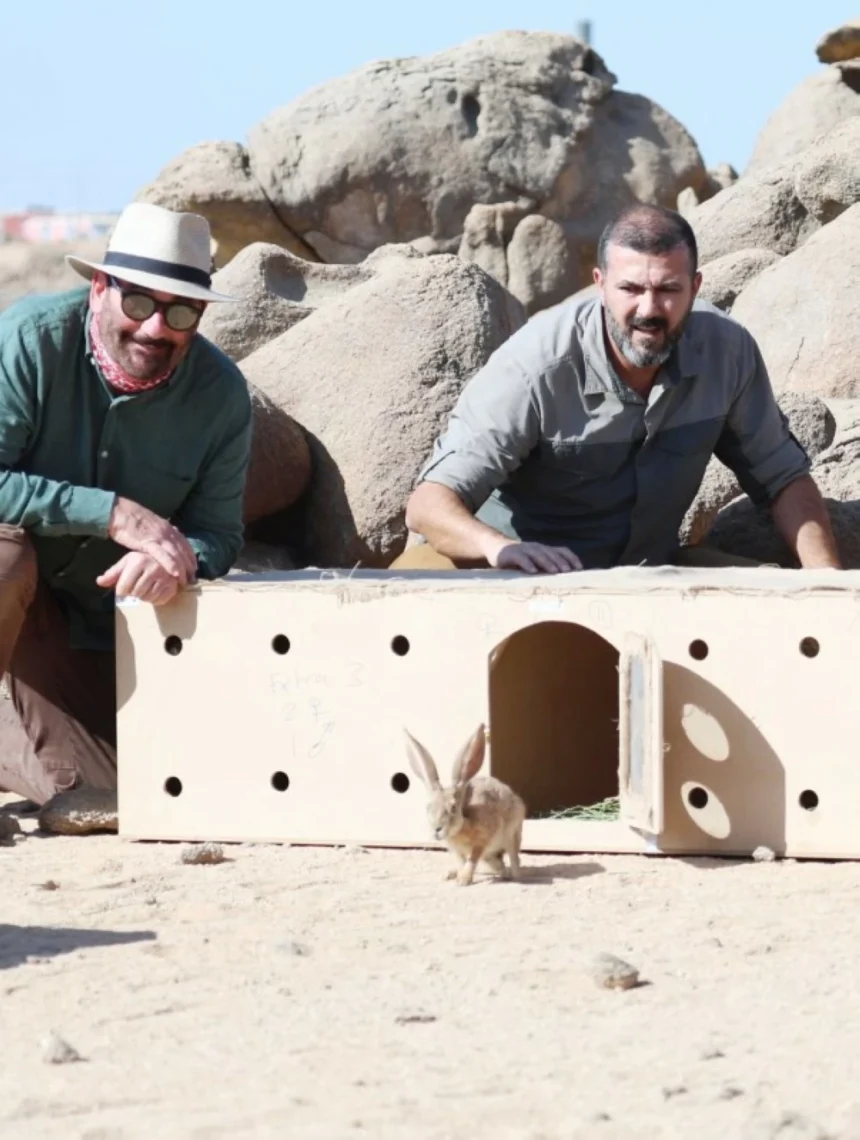
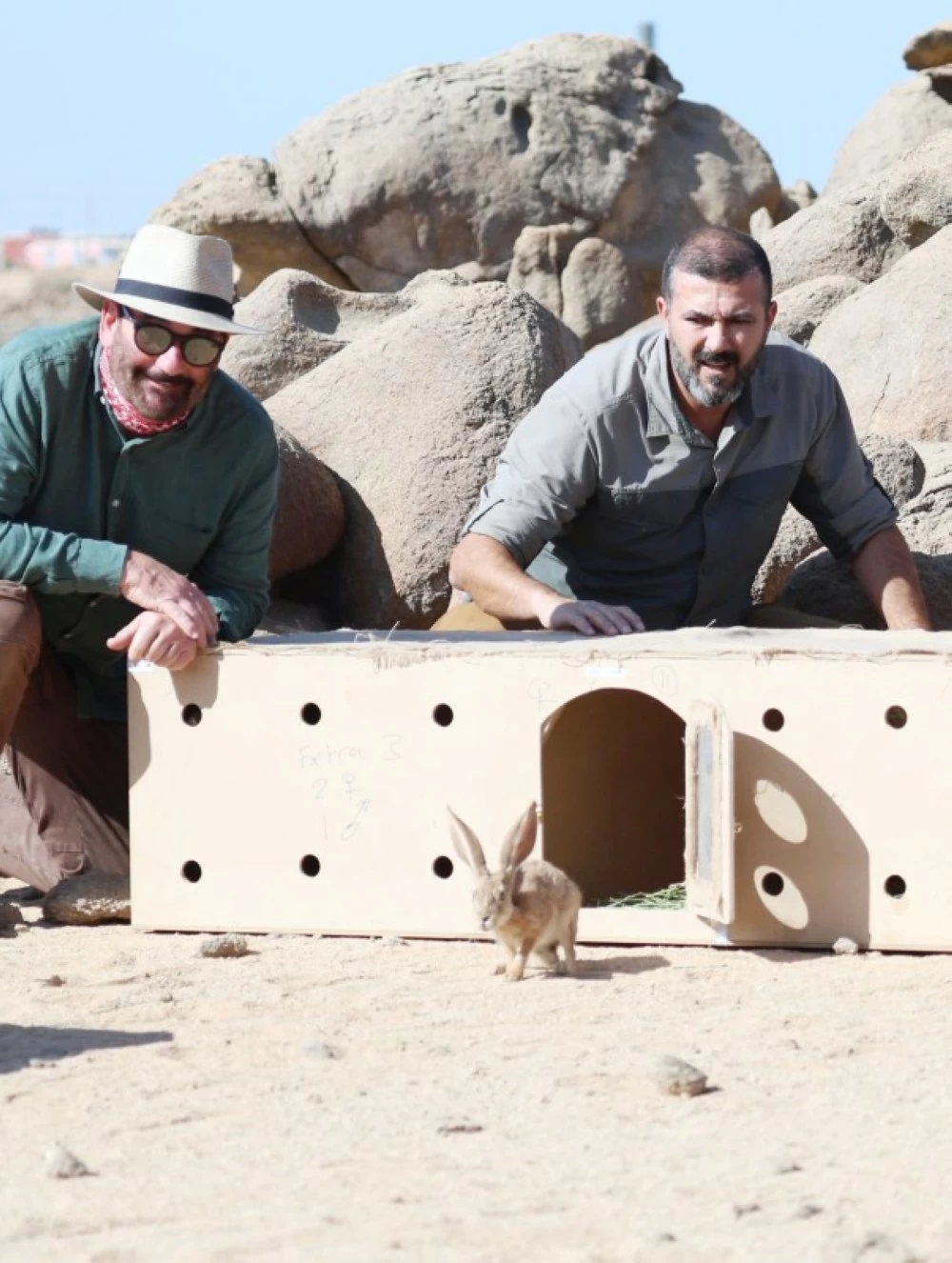
أعلنت محمية الأمير محمد بن سلمان الملكية إعادة توطين الأرنب العربي، ليصبح النوع الرابع عشر الذي يُعاد إدخاله ضمن برنامج «إعادة الحياة الفطرية للجزيرة العربية» منذ 2022م. ويُعد الأرنب العربي عنصراً أساسياً في السلسلة الغذائية الصحراوية؛ إذ يسهم في تنظيم الغطاء النباتي ونقل الطاقة إلى المفترسات، مما يعزز استعادة التوازن البيئي.
وأوضحت المحمية أنه تم إدخال 20 أرنباً عربياً مختارة لتعزيز التنوع الوراثي، وستبقى في حظائر تكاثر مخصصة قبل إطلاقها في البرية. وشهد البرنامج ولادة أول صغير أرنب، في مؤشر مبكر على نجاح جهود التوطين.
ويتميز الأرنب العربي بقدرات عالية على التكيف مع البيئة الصحراوية؛ منها تحمّل الحرارة الشديدة، والتمويه الطبيعي، وسرعة تصل إلى 80 كيلومتراً في الساعة. ورغم ذلك، تصل معدلات الافتراس إلى 90%، مما يبرز دوره الحيوي كفريسة رئيسية.
ومنذ بدء البرنامج، أعادت المحمية توطين 14 نوعاً وسجلت تكاثراً لستة منها، ضمن جهودها لإنشاء تجمعات برية مكتفية ذاتياً ودعم مستهدفات رؤية 2030 ومبادرة السعودية الخضراء.
The Prince Mohammed bin Salman Royal Reserve announced the reintroduction of the Arabian rabbit, making it the fourteenth species to be reintroduced under the “Wildlife Restoration Program for the Arabian Peninsula” since 2022. The Arabian rabbit is a key element in the desert food chain; it helps regulate vegetation and transfer energy to predators, thereby enhancing the restoration of ecological balance.
The reserve clarified that 20 selected Arabian rabbits have been introduced to enhance genetic diversity, and they will remain in designated breeding enclosures before being released into the wild. The program has witnessed the birth of the first rabbit kit, an early indicator of the success of the reintroduction efforts.
The Arabian rabbit is characterized by its high adaptability to the desert environment, including tolerance to extreme heat, natural camouflage, and speeds of up to 80 kilometers per hour. Despite this, predation rates can reach 90%, highlighting its vital role as a primary prey species.
Since the program’s inception, the reserve has reintroduced 14 species and recorded breeding for six of them, as part of its efforts to create self-sustaining wild populations and support the targets of Vision 2030 and the Saudi Green Initiative.