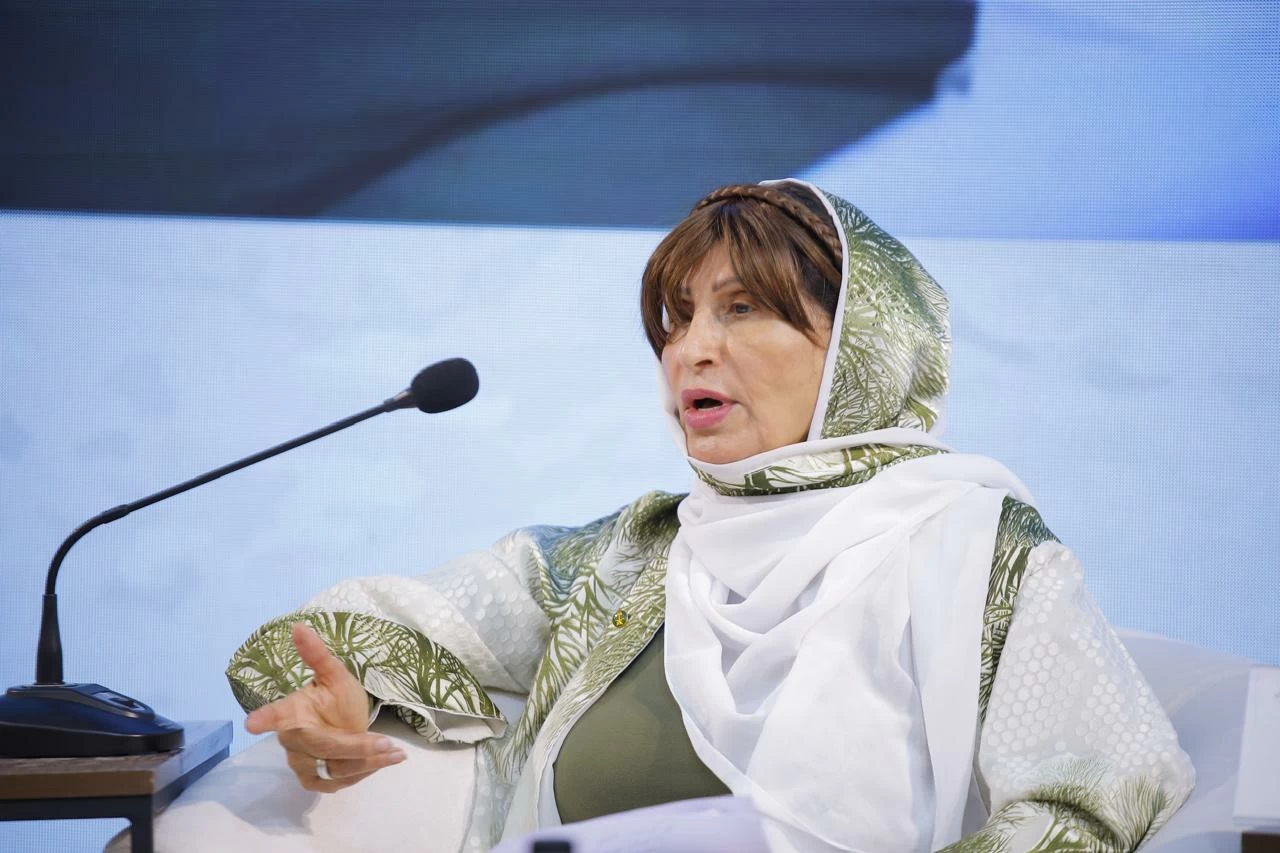
تواصلت في مدينة جدة فعالياتُ الدورة الثانية والعشرين من ملتقى قراءة النص الذي تنظمه جمعية أدبي جدة، إذ بحثت الجلسة الثانية التي أدارها عبدالله غريب التحولات العميقة في بنية النص السعودي المعاصر وانتقاله من ضيق القوالب الجاهزة إلى رحابة التجربة الجمالية المدعومة بمبادرات رؤية المملكة 2030.
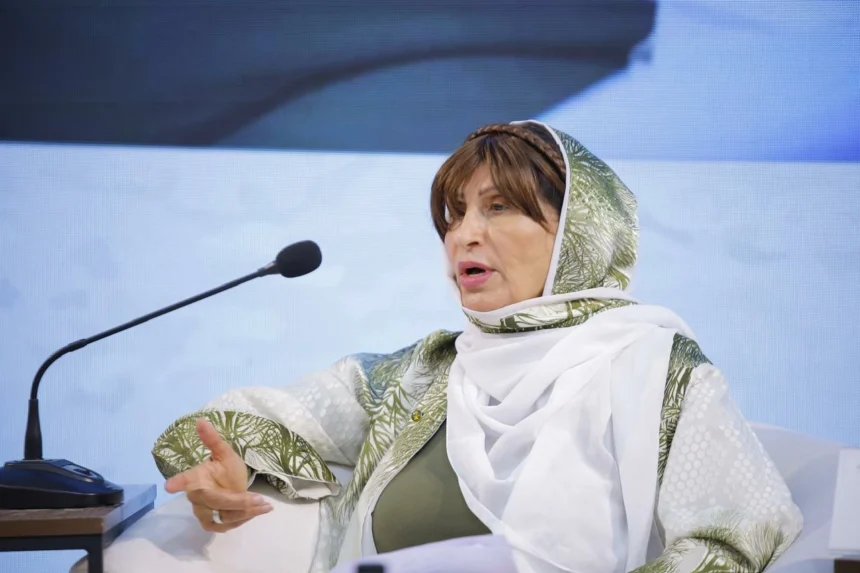
قدمت الدكتورة فوزية أبوخالد ورقةً لافتة استعرضت فيها مسيرة «قصيدة النثر» بوصفها مختبراً لتجاوز الفجوات التاريخية والتضييق نحو أفق الحرية الإبداعية، مؤكدةً أن المشهد اليوم يمثل تتويجاً لتحولات تراكمية تتجه نحو التنوير والاستنهاض، إذ لم يعد الرهان على شكل النص فحسب بل على قدرته في إعادة إنتاج الواقع جمالياً وتجاوز التصنيفات الجيلية الضيقة.
وفي عالم السرد، اتخذ الدكتور أحمد بن سليمان اللهيب من أعمال الروائي أحمد السماري نموذجاً لتحليل «تحولات الدلالة»، إذ كشف كيف تحولت الرؤية في روايتي «قنطرة» و«ابنة ليليت» إلى أيقونة سردية خفية تمنح الشخصيات تجلياً خاصاً وتدفع بالحبكة نحو آفاق جديدة تزاوج بين ذاكرة المكان وألم التحول وعمق الانتماء.
من جانبه، رصد الدكتور ياسر أحمد مرزوق ملامح التجديد في التجارب الأدبية السعودية المعاصرة، مشيراً إلى أن الحراك الاجتماعي الواسع والانفتاح العالمي الذي واكب الرؤية أحدث تغييراً جوهرياً في المضمون والقضايا المطروحة مثل الفردانية وصورة المدينة المعاصرة والانعتاق من الأنماط التقليدية مستفيداً من الأفضية الرقمية والتمكين الثقافي المتزايد.
وعن «أدبية التفاصيل» قدم الدكتور صالح السهيمي دراسة سيميائية حول رواية «بركات العالق في الخيال» لعبدالعزيز الصقعبي، مبيناً كيف تساهم التفاصيل الدقيقة في بناء المشاهد السردية وتعدد الهوية وتمازج الواقع بالخيال مما يفتح دلالات النص على تأويلات بصرية وذهنية متعددة تكشف صراعات البطل والراوي في آن واحد.
واختتمت الجلسة بورقة الدكتور سامي الثقفي التي تناولت «الطائف» كنموذج للمدن المبدعة في ظل الرؤية مسلطاً الضوء على اختيارها ضمن المدن المبدعة التابعة لليونسكو بفضل جودة النشر والفعاليات الثقافية العريقة. واستعرض الثقفي الحضور الشعري للطائف الذي ارتبط في الوجدان السعودي بالورد والغيم والمطر ليرسم صورةً فنية للمكان تجمع بين التاريخ العريق والمستقبل الطموح.
The activities of the twenty-second session of the Text Reading Forum, organized by the Jeddah Literary Association, continued in the city of Jeddah. The second session, chaired by Abdullah Gharib, discussed the profound transformations in the structure of contemporary Saudi text and its transition from the confines of ready-made templates to the expansiveness of aesthetic experience supported by the initiatives of Vision 2030.
Dr. Fawzia Abukhaleed presented a striking paper in which she reviewed the journey of “prose poetry” as a laboratory for overcoming historical gaps and constrictions towards the horizon of creative freedom, emphasizing that today’s scene represents the culmination of cumulative transformations heading towards enlightenment and revival. The focus is no longer solely on the form of the text but also on its ability to aesthetically reproduce reality and transcend narrow generational classifications.
In the realm of narrative, Dr. Ahmed bin Suleiman Al-Lahib used the works of novelist Ahmed Al-Samari as a model to analyze “transformations of meaning,” revealing how the vision in the novels “Qantara” and “Daughter of Lilith” transformed into a hidden narrative icon that grants the characters a unique manifestation and pushes the plot towards new horizons that blend the memory of place, the pain of transformation, and the depth of belonging.
For his part, Dr. Yasser Ahmed Marzouk observed the features of renewal in contemporary Saudi literary experiences, pointing out that the wide social movement and global openness accompanying the vision have brought about a fundamental change in the content and issues raised, such as individualism, the image of the contemporary city, and liberation from traditional patterns, benefiting from digital spaces and increasing cultural empowerment.
Regarding “the literary quality of details,” Dr. Saleh Al-Suhaimi presented a semiotic study on the novel “Barakat: Stuck in Imagination” by Abdulaziz Al-Suqabi, illustrating how precise details contribute to building narrative scenes, the multiplicity of identity, and the blending of reality with imagination, which opens the text’s meanings to multiple visual and mental interpretations that reveal the conflicts of the hero and the narrator simultaneously.
The session concluded with Dr. Sami Al-Thuqafi’s paper, which addressed “Taif” as a model of creative cities under the vision, highlighting its selection among the UNESCO Creative Cities due to the quality of publishing and rich cultural events. Al-Thuqafi reviewed the poetic presence of Taif, which is associated in the Saudi consciousness with roses, clouds, and rain, painting an artistic image of the place that combines ancient history with ambitious future.