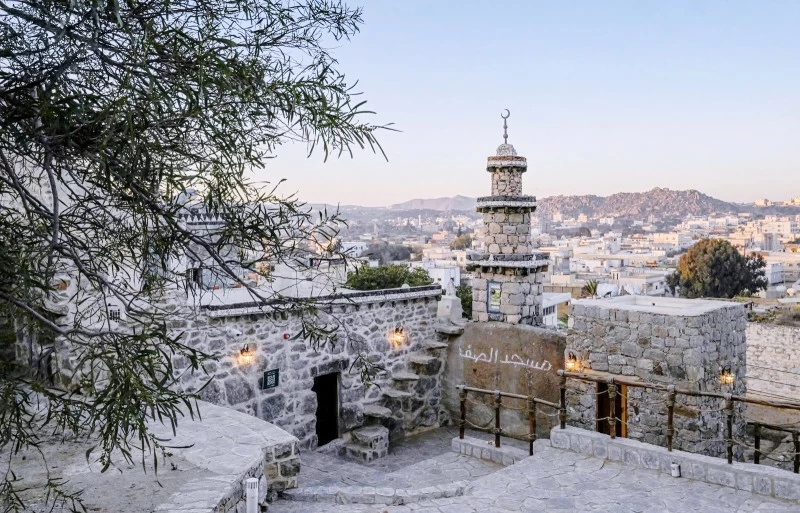
ضمن إطار العناية بالمساجد التاريخية وصون معالمها المعمارية التي تُجسّد امتداداً للهوية الحضارية في مختلف مناطق المملكة، يواصل مشروع الأمير محمد بن سلمان لتطوير المساجد التاريخية جهوده في تأهيل الجوامع العريقة وترميمها، بما يحفظ طابعها الأصيل ويعزز حضورها الديني والاجتماعي. ويأتي المشروع ليؤكد اهتمام القيادة بالحفاظ على الإرث العمراني الإسلامي، وإبراز القيمة الثقافية للمساجد التي شكّلت عبر التاريخ مراكز للعلم والتواصل المجتمعي.
أُطلق المشروع 2018، بهدف تطوير 130 مسجداً تاريخياً تُعد من أعمق المساجد قيمةً من الناحية التاريخية والثقافية والاجتماعية في المملكة، مع التركيز على الحفاظ على الهوية العمرانية السعودية وتأصيل جماليات العمارة المحلية. وقد نجح فريق من الخبراء في ترميم 30 مسجداً في المرحلة الأولى، مع الالتزام بالطابع المعماري الفريد لكل مسجد وتحقيق الأصالة والتكامل في أعمال الترميم.
ويمضي المشروع في تطوير وتأهيل المساجد التاريخية في مختلف المناطق، مع الحرص على إعادة هذه المساجد إلى حالتها الأصلية بما ينسجم مع متطلبات العصر الحديث. ويُعد دعم ولي العهد الأكبر في تاريخ دعم المساجد التاريخية من حيث عدد المساجد والتكلفة الإجمالية.
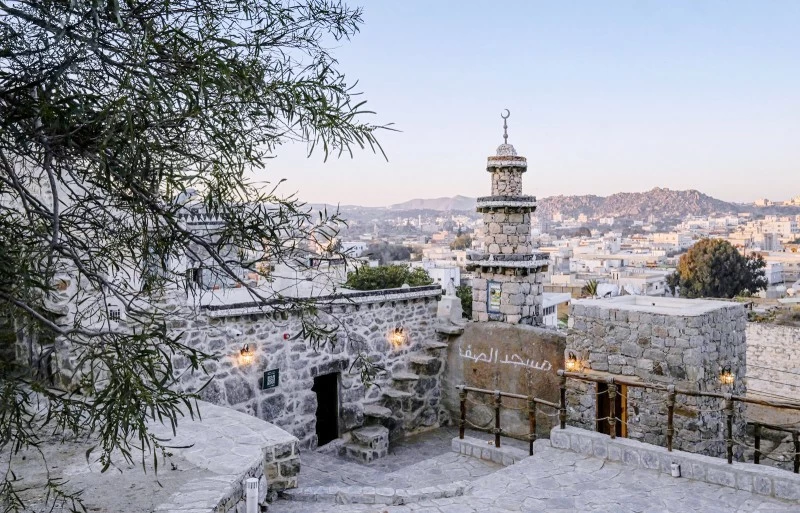
وتبرز نماذج عديدة للمساجد التي شملها التطوير، مثل مسجد الصفا في بلجرشي الذي يعود تاريخه إلى أكثر من 1350 عاماً، ويُعد من أقدم المساجد في جنوب المملكة، وقد اكتسب اسمه من صخرة كبيرة أُقيم عليها البناء.
كما شمل التطوير مسجد المضفاة الأثري في عسير، الذي يعود عمره إلى نحو 400 عام، ويجسد نموذجاً حياً لعمارة السراة وامتدادها التاريخي، ويقع على الطريق الرابط بين الباحة وأبها.
ويمثل المشروع نموذجاً رائداً في الجمع بين الأصالة والمعاصرة، إذ تُنفّذ أعمال التطوير بأسلوب يحافظ على التفاصيل التاريخية الدقيقة، ويُعيد للمساجد دورها الحيوي في تعزيز الروابط الاجتماعية وإحياء الذاكرة العمرانية للمناطق التي تحتضنها.
Within the framework of caring for historical mosques and preserving their architectural features that embody an extension of cultural identity in various regions of the Kingdom, the Prince Mohammed bin Salman Project for the Development of Historical Mosques continues its efforts to rehabilitate and restore ancient mosques, preserving their authentic character and enhancing their religious and social presence. The project comes to affirm the leadership’s interest in preserving the Islamic architectural heritage and highlighting the cultural value of mosques, which have historically served as centers for knowledge and community communication.
The project was launched in 2018, aiming to develop 130 historical mosques that are among the most valuable in terms of historical, cultural, and social significance in the Kingdom, with a focus on maintaining the Saudi architectural identity and rooting the aesthetics of local architecture. A team of experts successfully restored 30 mosques in the first phase, adhering to the unique architectural character of each mosque and achieving authenticity and integration in the restoration works.
The project continues to develop and rehabilitate historical mosques in various regions, ensuring that these mosques are returned to their original state in line with modern requirements. The support from the Crown Prince is the largest in the history of support for historical mosques in terms of the number of mosques and the total cost.
Numerous examples of mosques that have undergone development stand out, such as Al-Safa Mosque in Baljurashi, which dates back over 1,350 years and is considered one of the oldest mosques in the southern Kingdom, having gained its name from a large rock upon which the building was erected.
The development also included the ancient Al-Mudafah Mosque in Asir, which is approximately 400 years old and represents a living example of the architecture of Al-Sarah and its historical extension, located on the road connecting Al-Baha and Abha.
The project represents a pioneering model in combining authenticity and modernity, as the development works are carried out in a manner that preserves the precise historical details and restores the mosques’ vital role in enhancing social ties and reviving the architectural memory of the regions they inhabit.