


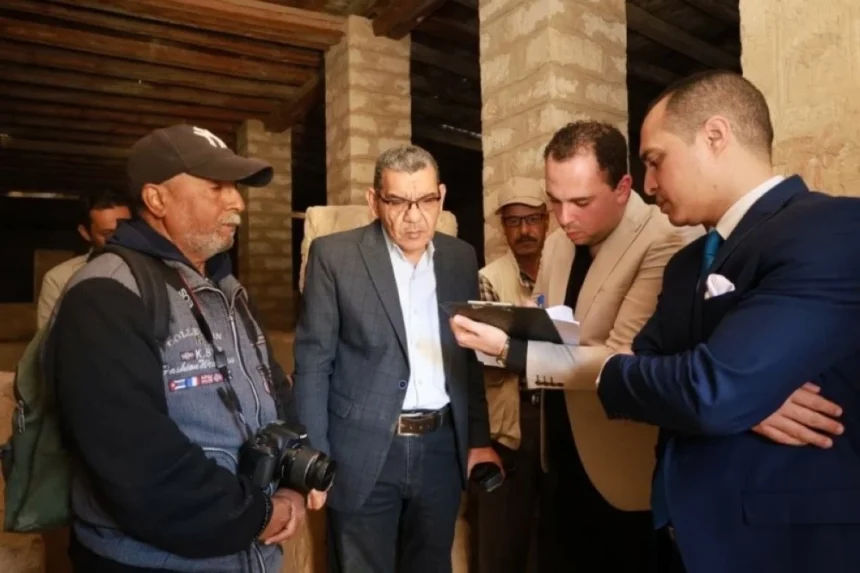
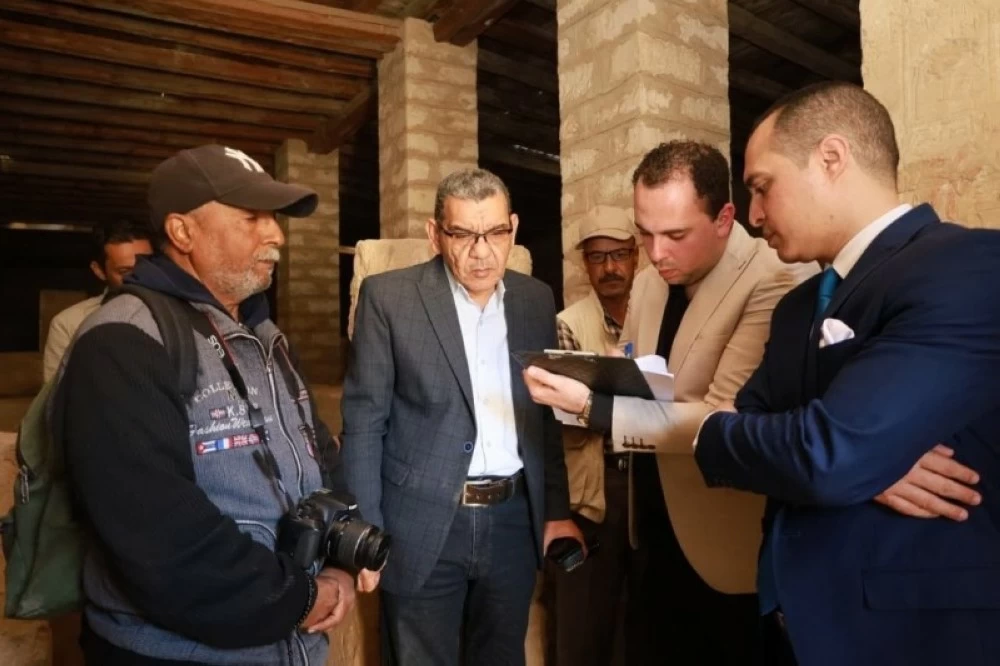
أجرت النيابة الإدارية في مصر، اليوم (الأربعاء)، معاينة ميدانية شاملة لمقبرة «خنتي-كا» الأثرية بمنطقة آثار سقارة جنوب الجيزة، تنفيذًا لتحقيقات مستمرة في واقعة اختفاء لوحة أثرية حجرية نادرة من داخل المقبرة، والتي أثارت جدلاً واسعًا بعد تداول أنباء عن سرقتها.
وبحسب بيان صادر عن هيئة النيابة الإدارية، أشرف على المعاينة المستشار وائل عزت التوني، وكيل النيابة، تحت إشراف المستشار محمد حامد وكيل المكتب الفني بالنيابة الإدارية، بحضور ممثلين عن وزارة السياحة والآثار والمجلس الأعلى للآثار.
معاينة النيابة الإدارية
وركزت المعاينة على فحص الموقع، جرد المحتويات، والتحقق من الإجراءات الأمنية والحماية للآثار المخزنة داخل المقبرة، التي كانت مغلقة تمامًا وتُستخدم كمخزن للآثار منذ اكتشافها في خمسينات القرن الماضي، ولم تُفتح منذ عام 2019.
تفاصيل الواقعة
وتعود اللوحة المختفية إلى عصر الدولة القديمة (الأسرة الخامسة تقريبًا)، مصنوعة من الحجر الجيري، ومنقوش عليها 3 فصول، وتقدر مساحتها بحوالى 40 × 60 سم، واكتُشفت اللوحة ضمن محتويات المقبرة منذ عقود، وكانت محفوظة داخلها كجزء من المخزون الأثري.
وفور الإبلاغ عن الاختفاء في أكتوبر 2025، شكل المجلس الأعلى للآثار لجنة أثرية برئاسة الدكتور عمرو الطيبي المشرف على منطقة آثار سقارة لجرد المحتويات، ثم أحيلت الواقعة إلى النيابة العامة ثم إلى النيابة الإدارية للتحقيق في الإجراءات الإدارية والمسؤوليات.
3 قرارت عاجلة
وعقب انتهاء معاينة اليوم (الأربعاء)، أصدرت النيابة الإدارية 3 قرارات عاجلة في سياق التحقيق، تمثلت في متابعة صدور كافة التقارير الفنية المتعلقة بالواقعة من الجهات المختصة، مراجعة منظومة الحراسة والتأمين للمواقع الأثرية المغلقة والمخازن، تكثيف منظومة التوثيق والتسجيل الرقمي لجميع الآثار المصرية لمنع تكرار مثل هذه الحوادث.
سرقة سوار فرعوني من المتحف المصري
وتأتي هذه الواقعة بعد أشهر قليلة من سرقة سوار أثري فرعوني من المتحف المصري، مما أثار مخاوف حول أمن الآثار المصرية، فيما تُعتبر مقبرة «خنتي-كا» خاصة بمسؤول من عصر الدولة القديمة، وتُعد جزءًا من المنطقة الأثرية الغنية في سقارة، التي تضم هرم زوسر وآلاف المقابر والآثار.
The Administrative Prosecution in Egypt conducted a comprehensive field inspection today (Wednesday) of the archaeological tomb of “Khentika” in the Saqqara archaeological area south of Giza, as part of ongoing investigations into the disappearance of a rare stone artifact from inside the tomb, which has sparked widespread controversy after reports of its theft circulated.
According to a statement issued by the Administrative Prosecution Authority, the inspection was overseen by Counselor Wael Ezzat El-Touny, the Deputy Prosecutor, under the supervision of Counselor Mohamed Hamid, Deputy of the Technical Office at the Administrative Prosecution, with representatives from the Ministry of Tourism and Antiquities and the Supreme Council of Antiquities present.
Inspection by the Administrative Prosecution
The inspection focused on examining the site, inventorying the contents, and verifying the security and protection measures for the artifacts stored inside the tomb, which has been completely closed and used as a storage for artifacts since its discovery in the 1950s, and has not been opened since 2019.
Details of the Incident
The missing artifact dates back to the Old Kingdom (approximately the Fifth Dynasty), made of limestone, and is engraved with three chapters. Its dimensions are estimated to be about 40 × 60 cm. The artifact was discovered among the tomb’s contents decades ago and was preserved inside as part of the archaeological stock.
Upon reporting the disappearance in October 2025, the Supreme Council of Antiquities formed an archaeological committee headed by Dr. Amr El-Tayebi, who supervises the Saqqara archaeological area, to inventory the contents. The incident was then referred to the Public Prosecution and subsequently to the Administrative Prosecution to investigate the administrative procedures and responsibilities.
3 Urgent Decisions
Following the inspection today (Wednesday), the Administrative Prosecution issued three urgent decisions in the context of the investigation, which included monitoring the issuance of all technical reports related to the incident from the relevant authorities, reviewing the security and protection system for closed archaeological sites and storages, and intensifying the documentation and digital registration system for all Egyptian artifacts to prevent the recurrence of such incidents.
Theft of a Pharaonic Bracelet from the Egyptian Museum
This incident comes just a few months after the theft of an ancient Pharaonic bracelet from the Egyptian Museum, raising concerns about the security of Egyptian artifacts. The tomb of “Khentika” is believed to belong to an official from the Old Kingdom and is part of the rich archaeological area in Saqqara, which includes the Step Pyramid of Djoser and thousands of tombs and artifacts.