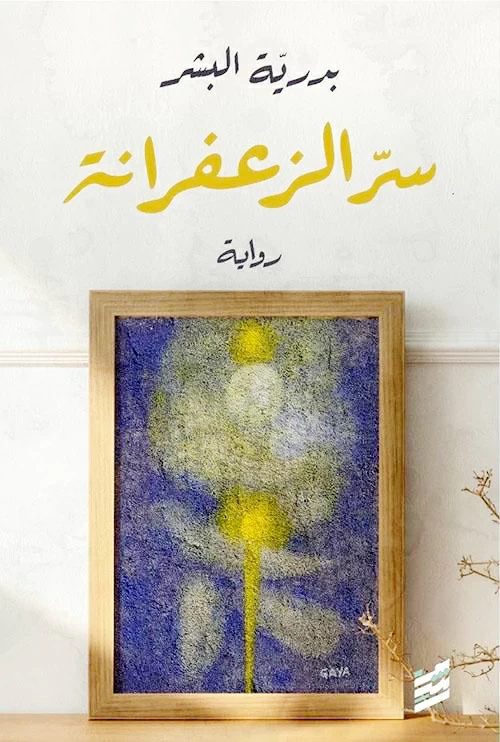
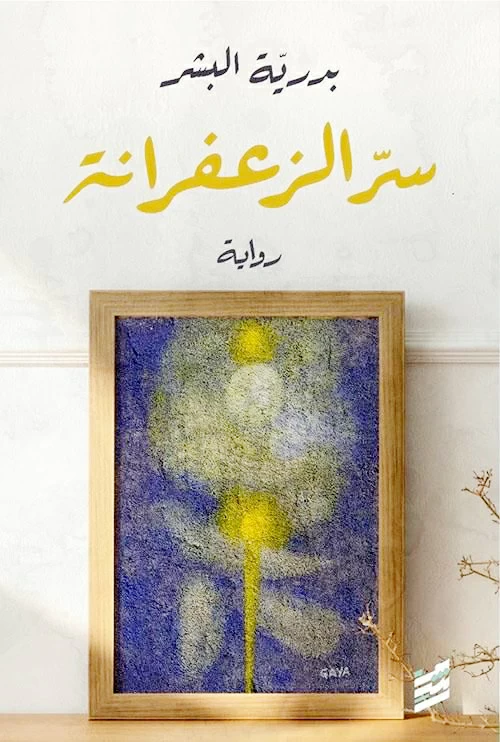
ثمة أسرارٌ في خلطات بعض الكتب، تبني لَبنات صداقتها مع قارئها منذ صفحاتها الأولى. تتنامى فيه مشاعر عميقة، ويُتعبه العثور على كلماتٍ لتوصيفها، فيستسلم إليها فحسب. ذاك حالي وأنا أقرأ سرّ الزعفرانة. وكنت أسأل نفسي: لماذا تمضي هذه الرواية بالذات في إشادة بنيان صداقتنا إلى اكتمال فصوله، ويتنامى حبّي لها ومتعتي بها؟!
تتنامى السكينة في روحي رغم كلّ أسىً طاف بـ(نفلة) أو زعفرانة، وتستمرّ بدرية البشر في إروائي بشراب السكينة حتى الصفحة الأخيرة.
لعلّ السرّ يكمن في الزاوية التي تتلصّص الكاتبة منها على صدر بطلتها (نفلة) تنتقي منه مكنوناً وحيداً يرسخ بعد كل فقد، تُطوّعه ليمنحها القدرة على مواصلة العيش، وترمي بكل ما عداه إلى سلة التغاضي. فما تريده نفلة، بنباهتها وانتباهها، ليس مجرد استمرارية العيش، بل أيضاً ليمنح حياتها معنىً يتجدد ويتعمق إثر كل فقد، هي المدركة بالفطرة أن الحياة لن تسير إلا إلى أمام؛ وحال (نفلة) صورةٌ عن حال البلاد، السعودية!
يقرّر والد نفلة، واعياً ومختاراً، أن يتحرّر من حروب القبائل وغليل الثأر في بيئةٍ تألف حوادث الغزو كركنٍ مقيمٍ في حياتها. غزوةٌ خطفت منه زوجته وأبقت على ولديه، يصحو من جوف حزنه مؤثراً مقاومة الثأر كشرط بقاء له ولولديه، يعلّل نكوصه عن درب الجماعة؛ بحجة أن لديه أحصنة أودعها في كنف صديق، سيروح لاستردادها، بينما هو في واقع الأمر، احتكم إلى عقله ورضي بخسارة زوجته إلى الآن. تفادياً لخسارات جديدة، سيعتني بولديه نفلة وعامر، وبتجارته.
نفلة هي الناجية الراوية. إثر طول تطواف، يصل والدها بها وبأخيها إلى قرية، ليقيموا فيها ويقاسموا أهلها حياتهم.. تتلقفها العبدة «زعفرانة»، كأمٍ بديلة، وترقب نفلة كيف لهذه العبدة، المعطاءة حد الثمالة، أن تستحوذ على محبة أهل القرية بعلم وتطبيب يرفعانها إلى مقام سيدةٍ يحتاج الجميع إلى خدماتها، ونفلة ترقبها وتتعلم وتتدرب كيف تصبح تلميذتها النجيبة.
تؤنسن نفلة نجوم السماء، بنات نعش يبكين أباهن، ونجم سهيل والد بران والثريا والقمر. تنزلهم نفلة من أعالي السماء، لتحزن النجوم وتبكي كما البشر، ومثلهم تشعر بالحرّ والبرد، ولا يستقرّ مزاجها على حال..
وحين تسرد عن وباء الجدري وما حصد، ثم وباء الجراد الذي كاد يجتثّ وجودهم، كواقعٍ ربما طاف بالسعودية في حقبة ما، وهو ما يجد القارئ نفسه مدفوعاً للبحث عنه، وكرمزيةٍ لطرح معضلةٍ تعصف بالبلاد نفسها حين تصحو على وباءٍ لا تنفع معه طرق العلاج القديمة، فلا بدّ إذاً من انتهاج طرق متطورة بما يكفي لتقضي عليه، ما يُسوّغ لوفود فرقٍ مدرّبة، ليس لتقضي على الجراد فحسب، بل أيضاً لتُدرج القرية في منظومة الدولة المعاصرة، وصولاً إلى نظم قوانين الحريات، التي تبتدئ من تحرير العبيد، ما تشهد عليه زعفرانة، وتبدأ بتدريب نفسها على الحرية، إلى أن تنتظم في سلك وظيفةٍ حكوميةٍ، كرمزية أيضاً لضرورة إسهام المرأة في ازدهار النظام الجديد.
لم تصرّح الكاتبة بزمن أحداث الرواية، ثم أعثر في الربع الأخير على بضع جمل لم تكتب اعتباطياً، تشي لي بأن مسؤولية الكاتبة حاضرة في ذهنها، لكنها كانت تتحين المناسبة لإدراجها، حين يبتلى (شجاع)، الشاعر الشجاع والرقيق، بمرض ربما يميته وهو في الثالثة والخمسين، يستذكر أحدٌ ما أنه ولد أيام ثورة عرابي في مصر، وأحسب أنا القارئة بالأرقام: 1919، زمن ثورة عرابي، + 53 لأعرف أننا أصبحنا في منتصف السبعينيات حين تقارب الرواية على اكتمالها، بدأت نساء العاصمة يتخرجن من معهد التعليم ويصبحن معلمات، ولا تعود مهنة التعليم حكراً على موفداتٍ خريجاتٍ من باقي الدول العربية لتعليم البنات في السعودية..
كذلك لا يرد اسم مكانٍ محدد من أراضي السعودية الشاسعة، يقوم عليه فضاء الرواية. لكن رحلة السيارة التي تحمل زعفرانة ونفلة من قريتهما لعلاج نفلة في الرياض تستغرق ساعات للوصول إليها. هنا يستنتج القارئ أنّ تلك القرية (البلا اسم)، تقوم في مكانٍ ناءٍ كثيراً عن العاصمة.
ربما حمّلت الكاتبة نفلة نضجاً وحكمةً أكثر مما يحتمل سنّ اثنتي عشرة سنة، كان يمكن إيرادها بلسان الراوي العليم لا بلسان نفلة الطفلة. وشعرتُ بأن من حق عامر، أخي نفلة، أن يبرّر غيابه عن أخته المكويّة بالفقد، فلا معنى للغياب إن لم يصُغ حكمته ولو بعد حين..
وتنتهي رواية سرّ الزعفرانة بنهاية سعيدة، ولا تخون الرواية قراءها ولا قوانين الحياة بأن الألم سيد العالم، ورفيقنا من الولادة إلى الموت، فهو ما أعتقد أنه سرّ الزعفرانة، الوصفة السحرية لكل سعادة ممكنة؛ إنها فطرة الحب التي ولدت عليها زعفرانة ونفلة وربّتاها مع كل مفرق، وغذّتاها بتعلّم كل مهنة من زرع الأرض بالخضرة الممكنة.
There are secrets in the mixtures of some books that build the foundations of their friendship with the reader from the very first pages. Deep feelings grow within, and it becomes exhausting to find words to describe them, so one simply surrenders to them. That is my state as I read the secret of Zafarana. I found myself asking: Why does this particular novel continue to praise the structure of our friendship until the completion of its chapters, and why does my love for it and my enjoyment of it grow?
Serenity grows in my soul despite all the sorrow that has befallen (Nafla) or Zafarana, and the humanity of Badria continues to quench my thirst for tranquility until the last page.
Perhaps the secret lies in the angle from which the writer spies on the chest of her heroine (Nafla), selecting a solitary essence that solidifies after every loss, shaping it to grant her the ability to continue living, while casting everything else into the basket of neglect. What Nafla wants, with her alertness and awareness, is not just the continuity of life, but also to give her life a meaning that renews and deepens after each loss; she instinctively understands that life can only move forward; and Nafla’s condition is a reflection of the state of the country, Saudi Arabia!
Nafla’s father decides, consciously and deliberately, to free himself from tribal wars and the thirst for revenge in an environment accustomed to incidents of invasion as a permanent fixture in its life. An invasion that took his wife from him and left his two children behind, he awakens from the depths of his sorrow, preferring to resist revenge as a condition for survival for himself and his children. He justifies his retreat from the path of the community by claiming that he has horses entrusted to a friend, which he will go to retrieve, while in reality, he has submitted to his mind and accepted the loss of his wife until now. To avoid new losses, he will take care of his children Nafla and Amer, and his trade.
Nafla is the surviving narrator. After a long journey, her father brings her and her brother to a village, where they settle and share their lives with its people. The slave “Zafarana” takes her in as a surrogate mother, and Nafla observes how this slave, generous to the point of excess, manages to win the love of the villagers through knowledge and healing that elevate her to the status of a lady whose services everyone needs, while Nafla watches her, learns, and trains to become her gifted student.
Nafla humanizes the stars in the sky, the Pleiades weeping for their father, and the star Suhail, the father of Bran, the Pleiades, and the moon. She brings them down from the heights of the sky, so the stars can grieve and cry like humans, and like them, she feels heat and cold, and her mood never settles.
When she recounts the smallpox epidemic and its toll, then the locust plague that nearly eradicated their existence, as a reality that perhaps swept across Saudi Arabia at some point, the reader finds themselves compelled to search for it. As a symbol to present a dilemma that strikes the country itself when it awakens to an epidemic against which old remedies are ineffective, there must be a shift to more advanced methods to eradicate it. This justifies the arrival of trained teams, not only to eliminate the locusts but also to integrate the village into the contemporary state system, leading to the establishment of laws of freedoms, which begin with the liberation of slaves, as witnessed by Zafarana, who starts training herself for freedom until she secures a government job, symbolizing the necessity of women’s contribution to the flourishing of the new system.
The writer does not specify the time of the novel’s events, but in the last quarter, I find a few sentences that were not written arbitrarily, indicating to me that the writer’s responsibility is present in her mind, but she was waiting for the right moment to include them, when (Shuja) the brave and gentle poet falls ill, perhaps fatally, at the age of fifty-three. Someone recalls that he was born during the Urabi Revolt in Egypt, and I, as a reader, calculate the numbers: 1919, the time of the Urabi Revolt, + 53 to realize that we are in the mid-seventies as the novel approaches its completion, when women in the capital begin graduating from the education institute and becoming teachers, and the teaching profession is no longer exclusive to delegates from other Arab countries to teach girls in Saudi Arabia.
Similarly, no specific place name from the vast lands of Saudi Arabia is mentioned as the setting of the novel. However, the car journey that carries Zafarana and Nafla from their village for Nafla’s treatment in Riyadh takes hours to reach. Here, the reader concludes that this unnamed village is located in a remote area far from the capital.
The writer may have endowed Nafla with more maturity and wisdom than one would expect from a twelve-year-old, which could have been conveyed through the voice of an omniscient narrator rather than through the voice of the child Nafla. I felt that it was Amer’s right, Nafla’s brother, to justify his absence from his sister, who is scorched by loss; there is no meaning to absence if he does not articulate his wisdom, even if it takes time.
The novel “The Secret of Zafarana” ends on a happy note, and the narrative does not betray its readers or the laws of life that pain is the lord of the world, our companion from birth to death. This is what I believe to be the secret of Zafarana, the magical recipe for all possible happiness; it is the instinct of love that Zafarana and Nafla were born with and nurtured through every separation, and fed with the learning of every profession from cultivating the earth with all possible greenery.