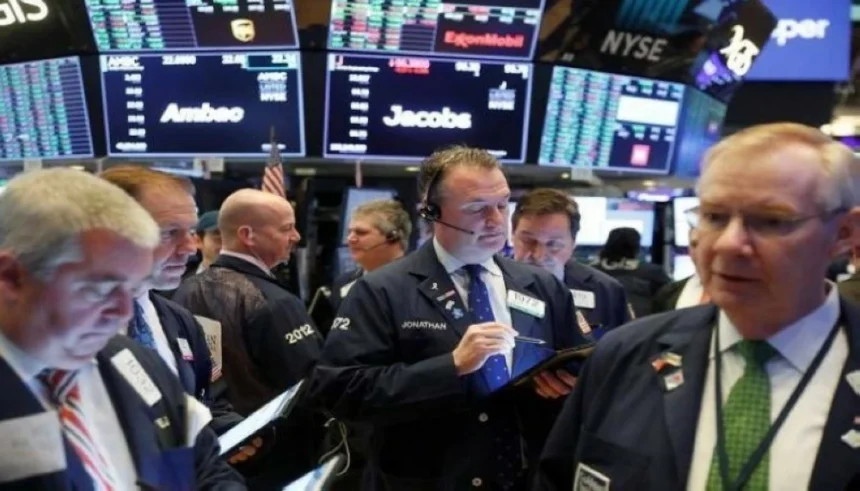
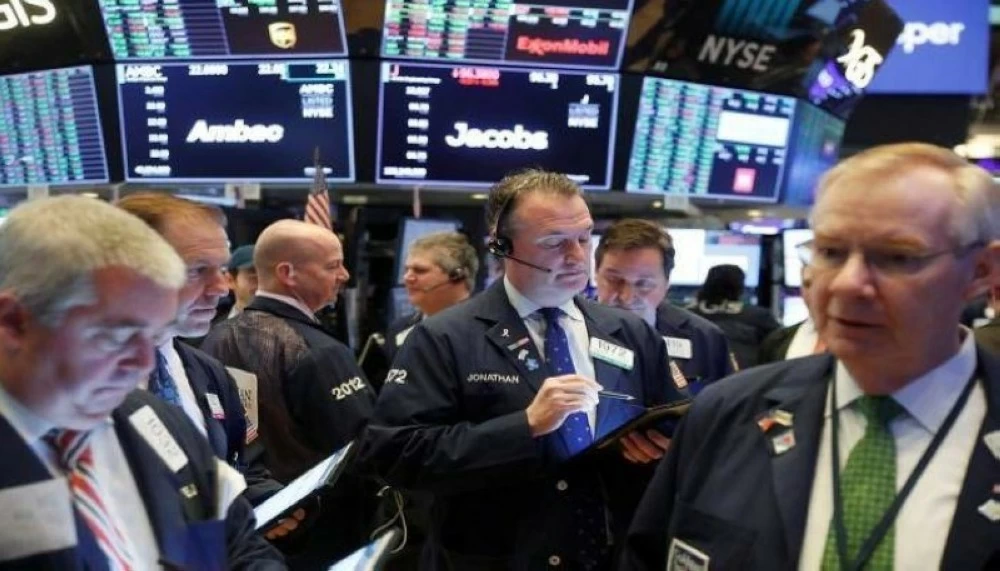
شكل الأسبوع الماضي نموذجاً فعلياً لما قد يبدو عليه السيناريو عندما يتحول الذكاء الاصطناعي من محفز للنمو إلى عامل تهديد مباشر لنماذج الأعمال عالية الرسوم، إذ بدأت مظاهر اضطراب الذكاء الاصطناعي تتسلل بشكل ملحوظ إلى سلوك المستثمرين في «وول ستريت»، مع اتساع عمليات البيع لتشمل قطاعات كانت تعد بمنأى عن تأثيرات التكنولوجيا، من البرمجيات إلى إدارة الثروات والنقل والخدمات اللوجستية.
الأكثر تعرضاً للضغوط
وعلى وقع هذه المخاوف، أنهى كل من مؤشري S&P 500 وناسداك تداولات الأسبوع الماضي على تراجعات تجاوزت 1%. وهبط داو جونز بـ1.2%. أما ناسداك فتراجع 2%، وتراجع S&P 500 بنحو 1.4%. وكانت أسهم القطاع المالي والاستهلاكي والتقني الأكثر تعرضاً للضغوط نتيجة تصاعد القلق من تأثيرات الذكاء الاصطناعي.
وقال كبير إستراتيجيي الاستثمار بإحدى المجموعات المتخصصة تيم أوربانوفيتز: «هذا هو الجانب المظلم للذكاء الاصطناعي، علينا أن ننتبه، لأن المزيد من الصناعات ستتعرض للاضطراب، وهذا التهديد حقيقي».
Last week served as a real-life example of what the scenario might look like when artificial intelligence shifts from a growth catalyst to a direct threat to high-fee business models, as signs of AI disruption noticeably crept into investor behavior on Wall Street, with sell-offs expanding to sectors previously thought to be insulated from technological impacts, from software to wealth management, transportation, and logistics.
Most Exposed to Pressure
Amid these concerns, both the S&P 500 and Nasdaq ended last week’s trading with declines exceeding 1%. The Dow Jones fell by 1.2%. Meanwhile, the Nasdaq dropped by 2%, and the S&P 500 decreased by about 1.4%. The financial, consumer, and technology sectors were the most exposed to pressure due to rising anxiety over the impacts of artificial intelligence.
Tim Urbanovitz, Chief Investment Strategist at a specialized group, stated: “This is the dark side of artificial intelligence; we need to pay attention, as more industries will face disruption, and this threat is real.”