قبل 90 دقيقة فقط من تحول التهديدات بـ«إبادة الحضارة» إلى واقع مدمر، وقف العالم مذهولاً أمام مشهد لم يكن ليتخيله أكثر المتفائلين بـ «دبلوماسية الحافة».
في تلك اللحظة الحرجة، استبدل الرئيس الأمريكي دونالد ترمب لغة النار بوعود «السلام الطويل الأمد»، ورغم إعلان البيت الأبيض بالأمس إلقاء «النقاط العشر» الإيرانية في سلة المهملات، إلا أن واشنطن وجدت نفسها مضطرة للجلوس في إسلام آباد بحثاً عن مخرج.
إن تنفس الصعداء الذي شهده العالم منتصف الأسبوع، يواجه اليوم مخاض الحقيقة؛ فهل نحن أمام ولادة حقيقية لسلام تاريخي، أم أنها مجرد «استراحة محارب» قبل جولة الصدام الكبرى؟
إعادة تموضع إستراتيجي
ما حدث في الساعات الأخيرة لم يكن تراجعاً بقدر ما كان إعادة تموضع إستراتيجي، مع تأكيدات البيت الأبيض بأن خطوطه الحمراء لم تتزحزح، وأن لجوء طهران للطاولة جاء بعد إدراكها لعدم قدرتها على الاستمرار في المقامرة. فترمب الذي بنى خطابه على مبدأ «القوة أولاً»، وجد في الوساطة الباكستانية مخرجاً يجنبه كلفة حرب إقليمية شاملة قد تأكل أخضر الاقتصاد العالمي ويابسه. في المقابل، أثبتت طهران «براغماتيتها»، فهي لم تفتح مضيق هرمز كاستقرار مجاني، بل كورقة مساومة متحركة، فتحتها مبدئياً ثم عادت لتقييدها، في رسالة واضحة بأن التحكم بهذا الشريان يبقى مرتبطاً مباشرة بمسار التفاوض وشروطه. الحقيقة أن الطرفين وصلا إلى نقطة أدركا فيها أن كلفة الانفجار أكبر من طاقة تحمل النظام الدولي الحالي المنهك أصلاً.
عقدة «هرمز»
في هذا السياق، إن البنود التي قدمتها طهران، التي تبدو في ظاهرها مطالب تقنية، هي في جوهرها محاولة لقلب الطاولة وإعادة صياغة قواعد الاشتباك. عقدة هرمز مثلاً، لم تعد مجرد ممر ملاحي، بل تحولت في «المقترح» إلى أداة لتكريس شرعية السيطرة. فطهران تتحدث عن «تنظيم للملاحة بالتنسيق مع قواتها»، وهي عبارة ملغومة تعني انتزاع اعتراف أمريكي بدورها كشرطي لهذا الشريان الحيوي. أما الطلب المتعلق بجدولة انسحاب القوات الأمريكية، فهو «الطلقة السياسية» التي تضع واشنطن في مأزق وجودي أمام حلفائها، خصوصاً في ظل إصرار إسرائيل على أن الهدنة مع «الرأس» في طهران لا تشمل بالضرورة صمت المدافع في جبهات الأطراف. فكيف يمكن للبيت الأبيض أن يوازن بين رغبته في التهدئة وبين التزاماته التقليدية بحماية أمن الإقليم واستقراره التاريخي، في وقت يرى فيه الحليف الإسرائيلي أن هذه الهدنة هي مجرد مرحلة استعداد لجولة قادمة؟
تثبيت قواعد الردع
واشنطن لا تبدو أقل تمسكاً بشروطها، فمطالبها التي تبدو في ظاهرها أمنية، تحمل في جوهرها سعياً لإعادة تثبيت قواعد الردع التقليدية ومنع نشوء توازن قوى تميل كفته لصالح طهران. فواشنطن لا تفاوض فقط على بنود، بل على شكل النظام الإقليمي نفسه؛ ما يجعل أي تنازل بمثابة إعادة تعريف لدورها الإستراتيجي في المنطقة.
المفاوضات التي تواجه (السبت) مقصلة الوقت، تصطدم بمعضلة «تفسير النوايا». فالمدرسة الواقعية في واشنطن تعتبر أن طهران كسبت أسبوعين ثمينين لإعادة تذخير ترسانتها وحماية منشآتها الحيوية، بينما يراهن البيت الأبيض على أن «الصدمة والترهيب» التي سبقت الهدنة قد كسرت عناد المفاوض الإيراني وجعلته أكثر مرونة تحت ضغط التهديد الوجودي. هذا التباين الحاد في الرؤية يجعل الاتفاق المرتقب هشاً وقابلاً للانكسار. فكل طرف يقرأ البنود من زاوية مصلحته الوجودية، مما يحول أي تقدم دبلوماسي إلى هدوء تقني قابل للانهيار عند أول احتكاك ميداني.
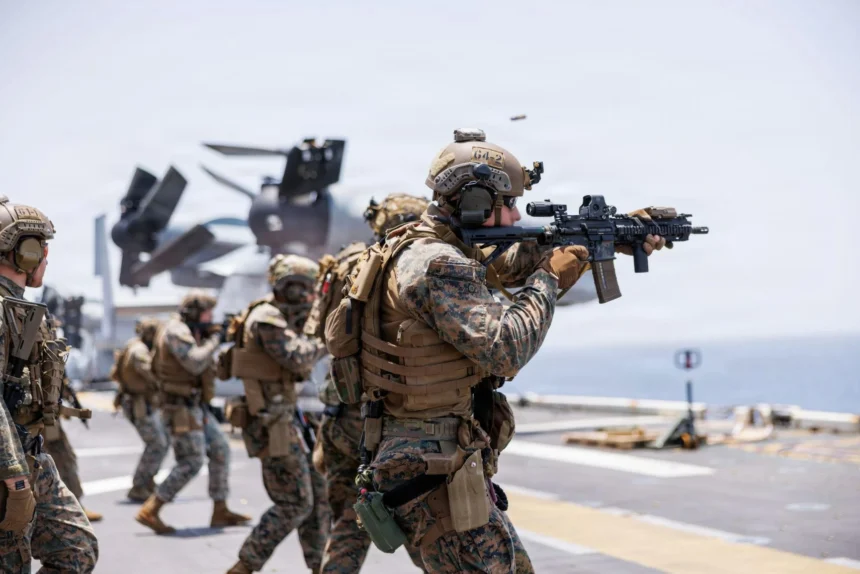
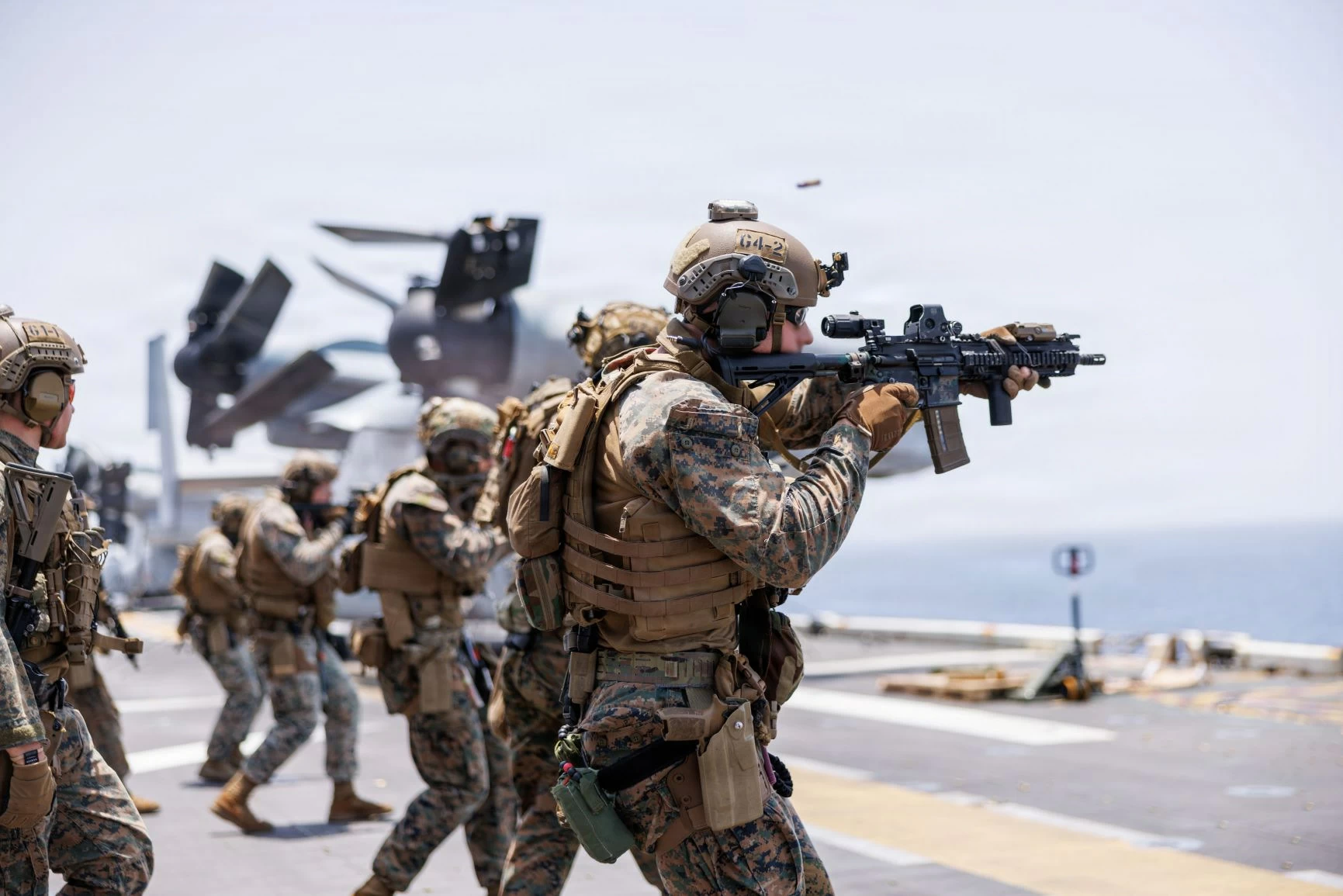
بالنظر إلى الجانب الأمريكي، يدرك ترمب أن «فن الصفقات» لا يكتمل إلا بوجود خصم منهك. الهدنة هنا هي «فحص جهد» للنظام الإيراني، فإما المضي في مسار رفع العقوبات مقابل تنازلات تمس النفوذ الإقليمي، وإما العودة للمواجهة في توقيت تكون فيه واشنطن قد استكملت حشدها الدولي.
تراهن طهران في المقابل على أن الوقت يعمل لصالحها، وأن فتح نافذة «المرور الآمن» في هرمز كفيل بتبريد الرؤوس الحامية في البنتاغون. وهنا وضع عراقجي العقدة في المنشار، مؤكداً أن واشنطن لا يمكنها الجمع بين التهدئة مع طهران واستمرار الحرب في لبنان، مما يجعل الهدنة اختباراً فعلياً للنيات الأمريكية.
فراغ سياسي مؤقت
إن «هدنة الأسبوعين» ليست شيكاً على بياض، وليست نهاية للصراع الطويل الممتد لعقود، هي بالأحرى «فراغ سياسي مؤقت» يختبر قدرة القطبين على التعايش فوق صفيح ساخن دون الانزلاق إلى المواجهة الكبرى.
اليوم لن تُفتح مغاليق الكلام في إسلام آباد فحسب، بل ستوضع هيبة القوة الأمريكية وصمود الإرادة الإيرانية على محك الاختبار المباشر. والخطر الأكبر لا يكمن في فشل المفاوضات، بل في تحولها إلى أداة للمماطلة الإستراتيجية، فالمنطقة المرهقة بالأزمات لا تحتمل ستاتيكو جديداً يطيل أمد التوتر تحت مسمى التهدئة، بينما تستمر الحشود في تعزيز مواقعها خلف الستار الدبلوماسي.
نحن أمام مشهد استثنائي، حيث أصبحت الدبلوماسية هي «الحرب بوسائل أخرى». واشنطن تلعب ورقة «الفرصة الأخيرة» لاستعادة الاستقرار بشروطها، وطهران تلعب ورقة «المرونة الإستراتيجية» لحماية مكتسباتها، وبين هذا وذاك يقف العالم حابساً أنفاسه بانتظار ما ستسفر عنه جولات إسلام آباد الماراثونية.
العالم يراقب بحذر، والتاريخ يسجل بدم بارد، وإسلام آباد اليوم هي الساحة التي ستحدد ما إذا كنا قد دخلنا عصر «التبريد الإستراتيجي» الذي طال انتظاره، أم أننا نعيش مجرد «هدنة تقنية» قلقة تسبق زلزالاً مدمراً سيعيد رسم خارطة الشرق الأوسط السياسية والجغرافية للأبد.
Just 90 minutes before the threats of “civilization extermination” turned into a devastating reality, the world stood in shock at a scene that even the most optimistic supporters of “edge diplomacy” could not have imagined.
At that critical moment, U.S. President Donald Trump replaced the language of fire with promises of “long-term peace.” Despite the White House’s announcement yesterday to throw Iran’s “ten points” into the trash, Washington found itself compelled to sit in Islamabad in search of an exit.
The sigh of relief witnessed by the world midweek now faces the labor pains of truth; are we witnessing the genuine birth of a historic peace, or is it merely a “warrior’s rest” before the major clash?
Strategic Repositioning
What happened in the last hours was not a retreat as much as it was a strategic repositioning, with the White House affirming that its red lines had not budged, and that Tehran’s resort to the negotiating table came after realizing its inability to continue gambling. Trump, who built his rhetoric on the principle of “America First,” found in Pakistan’s mediation a way to avoid the cost of a comprehensive regional war that could devastate the global economy. In contrast, Tehran demonstrated its “pragmatism,” as it did not open the Strait of Hormuz as a free stability measure, but rather as a moving bargaining chip, initially opening it and then returning to restrict it, sending a clear message that control over this artery remains directly linked to the negotiation process and its terms. The truth is that both sides reached a point where they realized that the cost of an explosion is greater than the current international system can bear, which is already exhausted.
The “Hormuz” Knot
In this context, the points presented by Tehran, which appear to be technical demands, are essentially an attempt to turn the tables and reshape the rules of engagement. The Hormuz knot, for example, is no longer just a shipping corridor; it has transformed in the “proposal” into a tool to legitimize control. Tehran speaks of “navigational organization in coordination with its forces,” a loaded phrase that means extracting American recognition of its role as the police of this vital artery. As for the demand regarding the scheduling of the withdrawal of U.S. forces, it is the “political bullet” that places Washington in an existential dilemma before its allies, especially in light of Israel’s insistence that the truce with “the head” in Tehran does not necessarily include silence on the fronts of the parties. How can the White House balance its desire for de-escalation with its traditional commitments to protect the region’s security and historical stability, at a time when the Israeli ally sees this truce as merely a preparatory phase for an upcoming round?
Establishing Deterrence Rules
Washington does not seem any less attached to its conditions, as its demands, which appear to be security-related, essentially carry an effort to re-establish traditional deterrence rules and prevent the emergence of a balance of power that tips in favor of Tehran. Washington is not just negotiating on terms, but on the very shape of the regional system itself; making any concession tantamount to redefining its strategic role in the region.
The negotiations facing the guillotine of time on Saturday collide with the dilemma of “interpreting intentions.” The realist school in Washington believes that Tehran has gained two precious weeks to rearm its arsenal and protect its vital facilities, while the White House bets that the “shock and intimidation” that preceded the truce has broken the Iranian negotiator’s stubbornness and made him more flexible under the pressure of existential threats. This sharp divergence in perspective makes the anticipated agreement fragile and prone to collapse. Each party reads the terms from the angle of its existential interests, turning any diplomatic progress into a technical calm that could collapse at the first field friction.
From the American side, Trump understands that the “art of deals” is only complete with a weakened adversary. The truce here is a “test of effort” for the Iranian regime, either to proceed along the path of lifting sanctions in exchange for concessions affecting regional influence, or to return to confrontation at a time when Washington has completed its international mobilization.
Tehran, on the other hand, bets that time works in its favor, and that opening a window for “safe passage” in Hormuz is sufficient to cool the hot heads in the Pentagon. Here, Iraqji placed the knot in the vise, asserting that Washington cannot combine de-escalation with Tehran and continue the war in Lebanon, making the truce a real test of American intentions.
Temporary Political Vacuum
The “two-week truce” is not a blank check, nor is it the end of the long-standing conflict that has spanned decades; it is rather a “temporary political vacuum” that tests the ability of the two poles to coexist over a hot plate without slipping into a major confrontation.
Today, not only will the keys to dialogue be opened in Islamabad, but the prestige of American power and the resilience of Iranian will will be put to the test. The greatest danger lies not in the failure of negotiations, but in their transformation into a tool for strategic procrastination; the crisis-weary region cannot bear a new status quo that prolongs tension under the guise of de-escalation, while the crowds continue to reinforce their positions behind the diplomatic curtain.
We are facing an exceptional scene, where diplomacy has become “war by other means.” Washington is playing the “last chance” card to restore stability on its terms, and Tehran is playing the “strategic flexibility” card to protect its gains, and between this and that, the world holds its breath waiting for what the marathon rounds in Islamabad will yield.
The world watches cautiously, history records coldly, and Islamabad today is the arena that will determine whether we have entered the long-awaited era of “strategic cooling,” or whether we are merely living through a tense “technical truce” that precedes a devastating earthquake that will redraw the political and geographical map of the Middle East forever.