يواصل وسطاء باكستانيون ومصريون وأتراك محادثاتهم مع الولايات المتحدة وإيران خلال الأيام المقبلة، في محاولة لسد الثغرات المتبقية وإبرام اتفاق ينهي الحرب، وفقاً لما نقله موقع أكسيوس الأمريكي عن مصدر إقليمي ومسؤول أمريكي.
فرصة لا تزال قائمة
ولا يزال جميع الأطراف يعتقدون أن التوصل إلى اتفاق ممكن، ويأمل الوسطاء أن تضييق الفجوات يمهد الطريق لجولة جديدة من المفاوضات قبل انتهاء وقف إطلاق النار الهش في 21 أبريل الجاري.
ضغوط أمريكية وتصعيد محتمل
فيما يدرس الرئيس الأمريكي دونالد ترمب استئناف الضربات العسكرية في حال لم يدفع الحصار البحري الأمريكي إيران إلى تغيير موقفها، وفقاً لمصادر مطلعة.
وقد تشمل الأهداف بنى تحتية سبق أن هدد ترمب بضربها قبل إعلان وقف إطلاق النار.
وأكد مسؤول أمريكي أن الحصار البحري، مثل قرار واشنطن الانسحاب مؤقتاً من المحادثات في باكستان، جزء من عملية التفاوض الجاري، ويهدف ترمب من خلاله إلى منع إيران من استخدام مضيق هرمز كورقة ضغط في المفاوضات.
إشارات حذرة للتفاؤل
وقال مصدر إقليمي: «لسنا في طريق مسدود بالكامل، الباب لم يُغلق بعد»، مشبهاً المفاوضات بـ«بازار مفتوح»، حيث يواصل الطرفان التفاوض والمساومة.
واتفق معه مسؤول أمريكي، مضيفاً أن صفقة يمكن التوصل إليها إذا أبدت إيران مرونة أكبر وأدركت أن اقتراح إسلام آباد هو «أفضل ما يمكن الحصول عليه».
ومن جانبه، كتب السفير الإيراني لدى باكستان رضا أميري مقدام على منصة إكس أن محادثات إسلام آباد لم تفشل، بل وضعت أساساً لعملية دبلوماسية، وقال: «إذا تعززت الثقة والإرادة، يمكننا بناء إطار مستدام يخدم مصالح جميع الأطراف».
ماذا دار خلف الكواليس؟
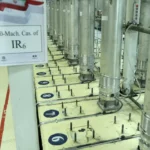
وتركزت الثغرات الرئيسية خلال المحادثات التي استمرت 21 ساعة بين الولايات المتحدة وإيران في باكستان على الملف النووي، وشملت مطالب أمريكية بتجميد إيران تخصيب اليورانيوم والتخلي عن مخزونها من اليورانيوم المخصب بدرجة عالية، إضافة إلى خلاف حول حجم الأموال المجمدة التي تطالب إيران بإطلاق سراحها مقابل تنازلاتها النووية.
وادعى وزير الخارجية الإيراني عباس عراقجي أن الطرفين كانا «على بعد أمتار» من الاتفاق قبل أن «تنقل الولايات المتحدة المرمى»، وهو وصف لم يؤكده المسؤولون الأمريكيون أو المصادر الإقليمية، رغم تأكيدهم حصول تقدم.
ويوم الأحد، أجرى وزيرا خارجيتي تركيا ومصر اتصالين منفصلين بنظيرهما الباكستاني، ثم تحدثا مع مبعوث البيت الأبيض ستيف ويتكوف والوزير عراقجي.
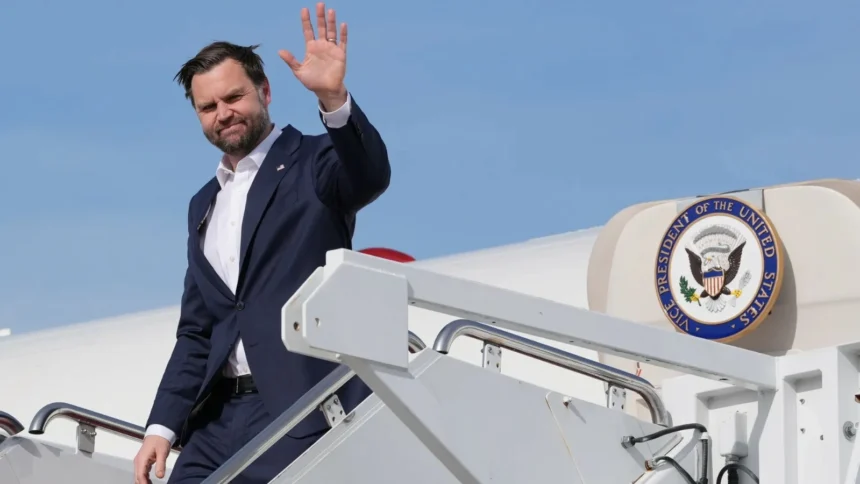
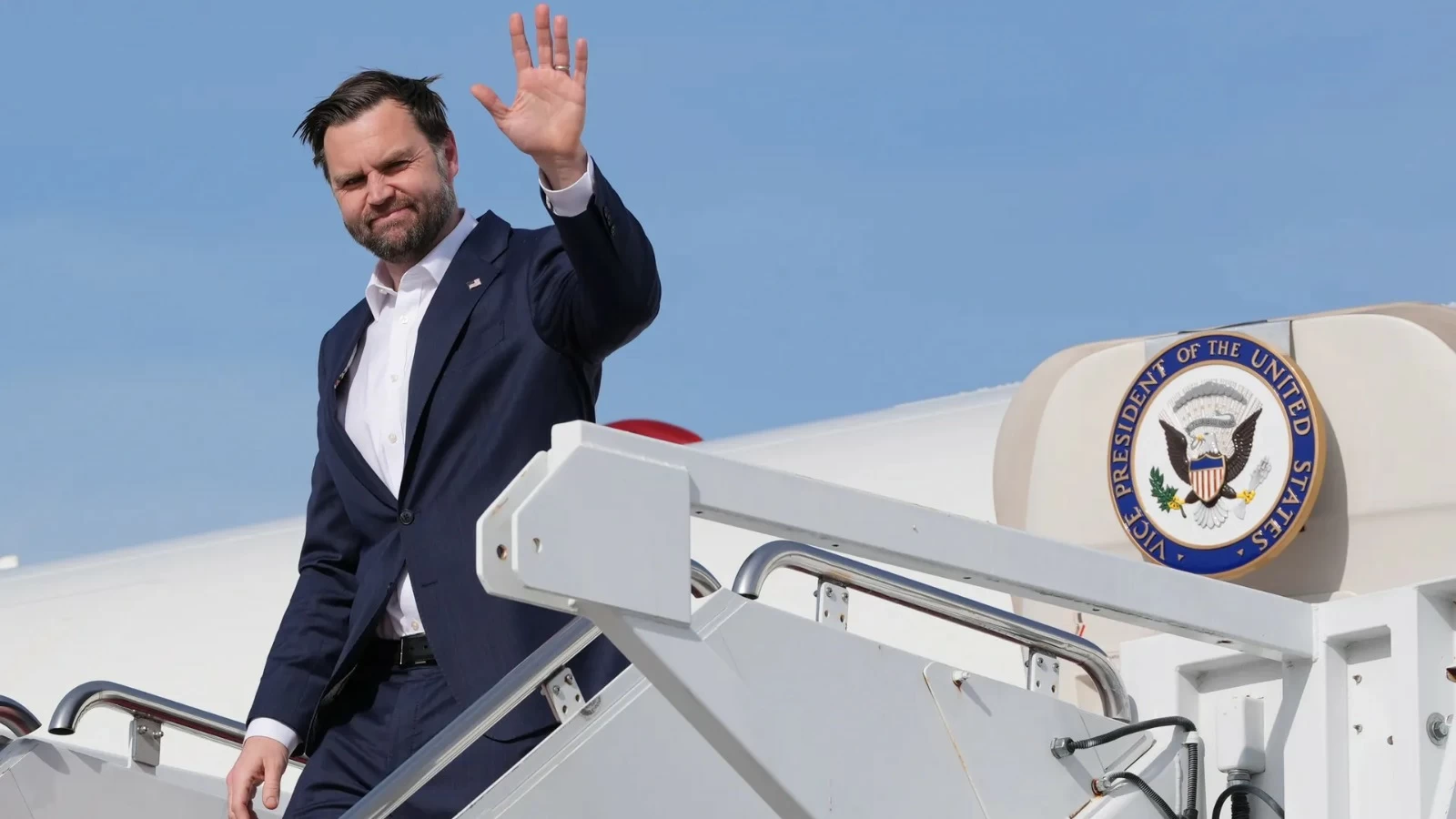
والتقى نائب الرئيس جي دي فانس، الذي قاد الوفد الأمريكي، الجانب الإيراني لأول مرة في إسلام آباد. ووصف مسؤول أمريكي المحادثات بأنها «صعبة»، لكنها تحولت إلى «تبادل ودي ومنتج للمقترحات».
أمل في العودة للمفاوضات
ورغم الختام غير الإيجابي لمحادثات إسلام آباد، ترك فانس الباب مفتوحاً، مع أمل في عودة إيران إلى طاولة المفاوضات.
وقال المسؤول الأمريكي: «يأمل نائب الرئيس في الأيام المقبلة أن يتأمل الإيرانيون في العرض الذي تلقوه ويدركوا أن الصفقة في مصلحة الطرفين».
وأعلنت القيادة المركزية الأمريكية أن الحصار البحري على إيران الذي أعلنه ترمب سيبدأ الاثنين الساعة الـ10 صباحاً بتوقيت شرق الولايات المتحدة، وسيُنفذ بشكل محايد ضد جميع السفن الداخلة أو الخارجة من الموانئ والمناطق الساحلية الإيرانية.
وأضافت أن الولايات المتحدة «لن تعيق حرية الملاحة للسفن العابرة في مضيق هرمز إلى ومن الموانئ غير الإيرانية».
يأتي هذا التطور في ظل وقف إطلاق نار هش مدته أسبوعان، وسط جهود دبلوماسية مكثفة لمنع عودة التصعيد العسكري في المنطقة.
Pakistani, Egyptian, and Turkish mediators continue their discussions with the United States and Iran in the coming days, in an attempt to bridge the remaining gaps and finalize an agreement to end the war, according to a report by Axios citing a regional source and a U.S. official.
A Chance Still Exists
All parties still believe that reaching an agreement is possible, and the mediators hope that narrowing the gaps will pave the way for a new round of negotiations before the fragile ceasefire ends on April 21.
U.S. Pressure and Potential Escalation
As U.S. President Donald Trump considers resuming military strikes if the American naval blockade does not compel Iran to change its stance, according to informed sources.
The targets may include infrastructure that Trump had previously threatened to strike before announcing the ceasefire.
A U.S. official confirmed that the naval blockade, like Washington’s decision to temporarily withdraw from the talks in Pakistan, is part of the ongoing negotiation process, and Trump aims to prevent Iran from using the Strait of Hormuz as leverage in the negotiations.
Cautious Signs of Optimism
A regional source stated, “We are not completely at an impasse; the door is not closed yet,” likening the negotiations to an “open bazaar,” where both sides continue to negotiate and bargain.
An American official agreed, adding that a deal could be reached if Iran shows greater flexibility and realizes that Islamabad’s proposal is “the best that can be obtained.”
For his part, the Iranian ambassador to Pakistan, Reza Amiri Moghaddam, wrote on X platform that the Islamabad talks did not fail but laid the groundwork for a diplomatic process, stating, “If trust and will are strengthened, we can build a sustainable framework that serves the interests of all parties.”
What Happened Behind the Scenes?
The main gaps during the 21-hour talks between the U.S. and Iran in Pakistan focused on the nuclear file, including U.S. demands for Iran to freeze uranium enrichment and abandon its stockpile of highly enriched uranium, as well as a disagreement over the amount of frozen funds that Iran is demanding to be released in exchange for its nuclear concessions.
Iranian Foreign Minister Abbas Araghchi claimed that the two sides were “meters away” from an agreement before the “U.S. moved the goalposts,” a description not confirmed by U.S. officials or regional sources, although they acknowledged progress had been made.
On Sunday, the foreign ministers of Turkey and Egypt made separate calls to their Pakistani counterpart, then spoke with White House envoy Steve Witkoff and Minister Araghchi.
Vice President J.D. Vance, who led the U.S. delegation, met the Iranian side for the first time in Islamabad. An American official described the talks as “difficult,” but they turned into a “friendly and productive exchange of proposals.”
Hope for Returning to Negotiations
Despite the not-so-positive conclusion of the Islamabad talks, Vance left the door open, hoping for Iran’s return to the negotiating table.
The U.S. official stated, “The Vice President hopes in the coming days that the Iranians will reflect on the offer they received and realize that the deal is in both parties’ interest.”
The U.S. Central Command announced that the naval blockade on Iran announced by Trump will begin on Monday at 10 AM Eastern Time and will be implemented neutrally against all ships entering or leaving Iranian ports and coastal areas.
It added that the United States “will not impede the freedom of navigation for ships transiting the Strait of Hormuz to and from non-Iranian ports.”
This development comes amid a fragile two-week ceasefire, amidst intense diplomatic efforts to prevent a return to military escalation in the region.