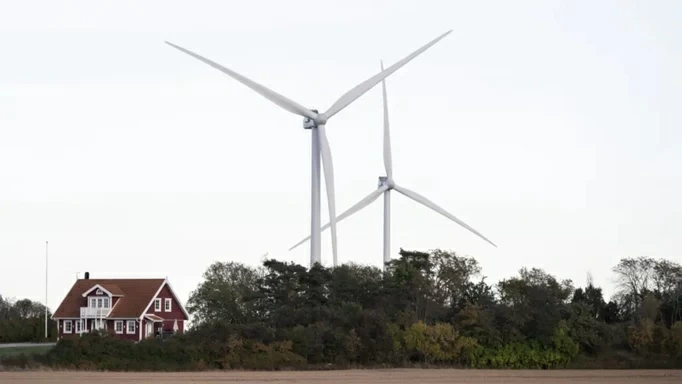
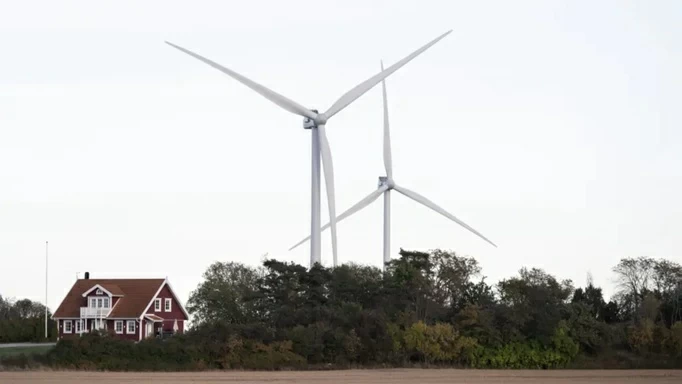
في خطوة لافتة تهدف إلى تهدئة الجدل حول مشاريع الطاقة المتجددة، اقترحت الحكومة السويدية تشريعًا جديدًا يمنح السكان القاطنين قرب توربينات الرياح تعويضات مالية سنوية قد تصل إلى 38 ألف كرون، مقابل استضافة هذه المشاريع في مناطقهم.
وقال وزير المناخ والبيئة بالوكالة يوهان بريتس إن الحكومة تريد تسريع بناء المزيد من توربينات الرياح على اليابسة، مضيفًا: «إذا كنا نريد توسيع طاقة الرياح، فمن الطبيعي أن يحصل من يعيشون بالقرب منها على حافز مباشر».
تعويض يعتمد على المسافة وسعر الكهرباء
وبحسب المقترح الحكومي، سيحصل السكان الذين يعيشون بالقرب من توربينات الرياح الجديدة على حصة من أرباح شركات الطاقة، ويختلف حجم التعويض وفق عدة عوامل، أبرزها:
- المسافة بين المنزل والتوربين
- ارتفاع التوربين
- موقع السكن داخل مناطق تسعير الكهرباء في البلاد
فعلى سبيل المثال، قد يحصل سكان جنوب السويد في منطقة التسعير الرابعة على تعويض يصل إلى 38,400 كرون سنويًا مع الإعفاء من الضرائب، بينما قد يبلغ التعويض في شمال البلاد نحو 19,400 كرون سنويًا.
هذا المقترح لا يشمل مزارع الرياح الحالية، لكنه سيطبق على المشاريع التي تحصل على تصاريح بيئية بعد 1 يوليو 2026، أو تلك التي توافق عليها البلديات بعد 6 نوفمبر 2025.
كما يشترط أن يقع المنزل ضمن مسافة تعادل تسعة أضعاف ارتفاع التوربين. فعلى سبيل المثال، إذا كان ارتفاع التوربين 250 مترًا، فإن نطاق التعويض يمتد إلى نحو 2.25 كيلومتر، مع زيادة المبلغ كلما اقترب المنزل من موقع التوربين.
وتواجه مشاريع طاقة الرياح في السويد اعتراضات متكررة من السكان والبلديات بسبب الضوضاء والظلال والأضواء المتقطعة التي تنتج عن التوربينات. ومع ذلك، ترى الحكومة أن التوسع في هذه المشاريع ضروري لضمان استقرار إمدادات الكهرباء في المستقبل.
كما أعلنت السويد أنها تعتزم إطلاق تحقيق جديد لبحث إمكانية شراء العقارات القريبة من مزارع الرياح في بعض الحالات، في محاولة لمعالجة الاعتراضات المحلية بشكل أوسع.
In a notable step aimed at calming the debate over renewable energy projects, the Swedish government has proposed new legislation that grants residents living near wind turbines annual financial compensation that could reach up to 38,000 kronor, in exchange for hosting these projects in their areas.
Acting Minister for Climate and Environment Johan Brist said the government wants to accelerate the construction of more onshore wind turbines, adding: “If we want to expand wind energy, it is only natural that those living nearby receive a direct incentive.”
Compensation Based on Distance and Electricity Prices
According to the government proposal, residents living near new wind turbines will receive a share of the profits from energy companies, and the amount of compensation varies based on several factors, the most notable of which are:
- The distance between the home and the turbine
- The height of the turbine
- The location of the residence within the country’s electricity pricing areas
For example, residents in southern Sweden in the fourth pricing area could receive compensation of up to 38,400 kronor annually, tax-free, while compensation in the north of the country may amount to around 19,400 kronor annually.
This proposal does not include existing wind farms, but it will apply to projects that obtain environmental permits after July 1, 2026, or those approved by municipalities after November 6, 2025.
It is also required that the home is within a distance equal to nine times the height of the turbine. For instance, if the turbine height is 250 meters, the compensation range extends to about 2.25 kilometers, with the amount increasing as the home gets closer to the turbine site.
Wind energy projects in Sweden face repeated objections from residents and municipalities due to noise, shadows, and flickering lights produced by the turbines. However, the government believes that expanding these projects is essential to ensure the stability of electricity supplies in the future.
Sweden has also announced its intention to launch a new investigation into the possibility of purchasing properties near wind farms in some cases, in an attempt to address local objections more broadly.