

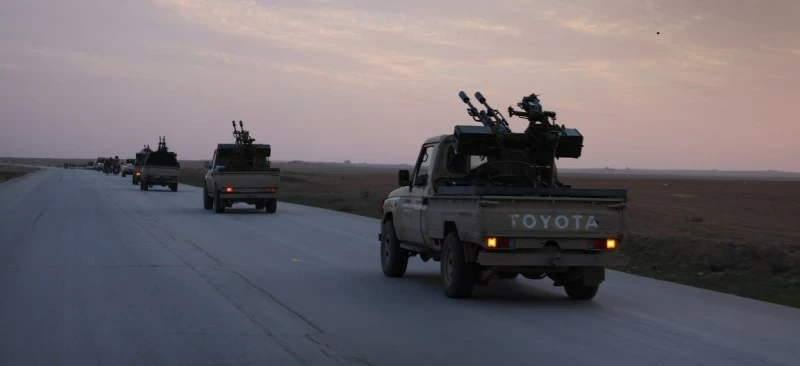
أنهت سورية الشهر الأول من عام 2026 على تحول ميداني وسياسي مهم، تمثَّل في إغلاق ملف قوات سورية الديموقراطية «قسد» بعد مواجهات عسكرية أعادت رسم الخريطة في شرق الفرات، وهي المنطقة التي طالما اعتبرت مساحة نفوذ أمريكية وأنها خط أحمر لا يمكن لقوات الحكومة تجاوزه، لكن المعادلة كسرت على أرض الواقع، وتبين أن الشرعية القانونية أقوى أوراق دمشق في الداخل في أي نزاع، حتى مع القوى الدولية العديدة المتدخلة في الشأن السوري.
إغلاق صفة الصراعات
خرجت منطقة شرق الفرات من هذا الوصف مع سيطرة قوات الجيش السوري على محافظتي دير الزور والرقة، وأجزاء من محافظة الحسكة، ضمن تسوية أنهت الدور الإقليمي والاقتصادي لـ«قسد»، وحصرتها في نطاقها الكردي الضيق، حتى أن أنصارها أنفسهم باتوا يفضلون تسمية وحدات حماية الشعب بدلاً من قوات سورية الديمقراطية، فالأخيرة كانت نتائج فكرة السيناتور الأمريكي الراحل جون ماكين، الذي اقترح تشكيل قوات مختلطة متعددة القوميات تكون نواة لتغيير إقليمي كبير وخروج من دائرة التجارب غير التعايشية في المنطقة.
التسوية الأخيرة بين دمشق وقسد، التي كانت دولية أكثر منها داخلية، أبقت الحسكة بترتيبات إدارية وأمنية محلية، مع استمرار وجود محافظ كردي وقوى أمنية محلية، عكست رغبة في تجنّب صدام شامل، لكنها في الوقت ذاته أنهت واقعاً استمر سنوات، كانت فيه «قسد» لاعباً يتجاوز الجغرافيا الكردية ويمسك بمفاصل اقتصادية حساسة في شرقي البلاد. بهذا التطور، تغلق صفحة لطالما شغلت الخطاب السياسي السوري، داخلياً وخارجياً.
الحديث المتكرر عن انقسام البلاد، وخروج الثروات عن السيطرة المركزية، وفقدان الدولة قدرتها على إدارة مواردها، لم يعد قابلاً للاستمرار.
نجاح التسوية مع الأكراد
الواقع الجديد يضع الجغرافيا الأساسية، ومعها الموارد، ضمن نطاق القرار في دمشق، وينهي مرحلة ربط الأزمات الاقتصادية والمعيشية بعوامل خارجة عن السيطرة.
في هذا السياق، يدخل عام 2026 بصفة مختلفة. لم يعد عاماً لإدارة الجبهات المفتوحة أو استنزاف الموارد في صراعات عسكرية ممتدة، بل عاماً يُفترض أن يتقدّم فيه ملف الداخل على ما سواه. الأسئلة المطروحة اليوم تتصل مباشرة بوظيفة الدولة، وقدرتها على تقديم الحد الأدنى من الاستقرار المعيشي والخدمي لمواطنيها، بعد انحسار التهديدات الأمنية وفق جدول الأزمات، حيث إذا ما نجحت التسوية مع الأكراد وأصبحت جزءاً من إدارة السياسة في البلاد، فإن الملف الوحيد المتبقي هو السويداء، وهو ملف غير مؤثر على مسار المشهد السوري مقارنة مع وزن ملف قسد.
استعادة مفتاح الاقتصاد
استعادة دير الزور والرقة تعني عملياً استعادة مفاتيح اقتصادية رئيسية، في مقدمتها النفط والزراعة وشبكات النقل الداخلية. هذا الواقع يفرض على الحكومة السورية انتقالاً من خطاب الأزمة إلى خطاب الإدارة، ومن تفسير الاختلالات إلى معالجتها. فالموارد، مهما كانت محدودة، تضع السلطة أمام اختبار مباشر في طريقة إدارتها وتوزيع عوائدها.
الرهان في المرحلة القادمة على الأداء المواطن السوري، الذي عاش سنوات طويلة تحت وطأة تراجع الخدمات وارتفاع الأسعار، يراقب اليوم ما إذا كانت استعادة السيطرة ستنعكس على حياته اليومية، أو ستبقى حدثاً سياسياً بلا أثر اقتصادي.
الكهرباء، الوقود، السلع الأساسية، ومستوى الدخل، باتت مؤشرات تقاس بها جدية المرحلة أكثر من أي خطاب سياسي. المشهد الحالي يفرض أيضاً إعادة تعريف العلاقة بين الدولة والمجتمع. فبعد انحسار الانقسامات الجغرافية، تتقدّم مسألة الإدارة الرشيدة، وتحسين كفاءة المؤسسات، إلى صدارة الأولويات. دون ذلك، ستبقى عودة الجغرافيا نفسها حدثاً مهدوراً، لا يكتمل أثره في حياة الناس. والواقع أن هناك مساءلة اجتماعية ستظهر في الأيام والأسابيع القادمة، وبوادرها ظاهرة، خصوصاً فيما يتعلق بالمعادلة الحسابية البسيطة بين الراتب والدخل من جهة وبين فاتورة الكهرباء لوحدها من جهة أخرى. على الجانب الآخر، هناك قطاع الصناعة المتدهور في حلب ودمشق، خصوصاً مع سهولة الاستيراد ودخول البضائع الأجنبة إلى البلاد، وفي الوقت نفسه استياء المواطن السوري من الصناعة المحلية وجودتها الرديئة وأسعارها غير المنطقية بالنسبة لهم، مقارنة بالأجنبية. المشهد برمّته أزمات ملتفة على بعضها، والمرجح أن دمشق باتت أمام استحقاق تقديم إجابات والتصريح عن مدى قدرتها على المعالجة، والصراحة في الحديث عن الإصلاحات التي ستكون مؤلمة للشعب. الحكومة السورية باتت اليوم تحت أعين جمهورها ولم يعد بالإمكان تعليق الإخفاقات على قوى خارجية أو سلطات أمر واقع، المسؤولية باتت مباشرة، والتوقعات الشعبية، وإن كانت متواضعة، تتركّز حول تحسينات ملموسة سريعة تمس حياتهم اليومية، من نظافة الشوارع إلى الأمان المعيشي.
عام 2026، وفق هذا المشهد، يبدو عاماً فاصلاً بين مرحلتين؛ مرحلة طغى فيها منطق الحرب وإدارة الأزمات، ومرحلة يُفترض أن يبدأ فيها اختبار الحكم والإدارة النجاح في هذا الاختبار لن يُقاس بما تحقق ميدانياً، بل بما يمكن أن يتحقق اقتصادياً واجتماعياً. لذا فإن المشهد السوري اليوم اقتصادي خدمي له نتائج واضحة على الأرض، إلا أن ذلك في الوقت ذاته يتطلب دعماً دولياً وتفعيلاً حقيقياً لقانون قيصر وعودة الاستثمارات الأجنبية والعربية إلى الداخل السوري. وفي هذا الإطار كانت السعودية الدولة الأولى التي وقعت اتفاقيات خرجت من طور التفاهمات في مجال الطاقة والاتصالات ومجالات أخرى متوقعة في الفترة القادمة، على أمل أن ينسحب ذلك على بقية الدول، وهذا أيضا يتطلب المزيد من الضمانات الأمنية في سورية التي باتت التحدي الأول لعجلة الاقتصاد.
Syria concluded the first month of 2026 with a significant military and political transformation, represented by the closure of the file of the Syrian Democratic Forces (SDF) after military confrontations that redrew the map in eastern Euphrates, an area that has long been considered a U.S. sphere of influence and a red line that government forces could not cross. However, the equation was broken on the ground, revealing that legal legitimacy is Damascus’s strongest card domestically in any dispute, even with the numerous international powers involved in the Syrian issue.
Closure of the Conflict Description
The eastern Euphrates region has emerged from this description with the Syrian army’s control over the provinces of Deir ez-Zor and Raqqa, and parts of Al-Hasakah province, within a settlement that ended the regional and economic role of the SDF, confining it to its narrow Kurdish scope. Even its supporters have begun to prefer calling it the People’s Protection Units instead of the Syrian Democratic Forces, as the latter was the result of the idea of the late U.S. Senator John McCain, who proposed forming a mixed multinational force as a nucleus for significant regional change and a departure from non-coexistence experiments in the region.
The recent settlement between Damascus and the SDF, which was more international than internal, kept Al-Hasakah under local administrative and security arrangements, with the continued presence of a Kurdish governor and local security forces, reflecting a desire to avoid a comprehensive clash. However, at the same time, it ended a reality that lasted for years, during which the SDF was a player that transcended Kurdish geography and held sensitive economic levers in eastern Syria. With this development, a chapter that has long occupied the Syrian political discourse, both internally and externally, is closed.
The repeated talk about the division of the country, the loss of resources from central control, and the state’s inability to manage its resources is no longer sustainable.
Success of the Settlement with the Kurds
The new reality places the core geography, along with its resources, within the decision-making scope in Damascus, ending the phase of linking economic and living crises to factors beyond control.
In this context, 2026 enters with a different character. It is no longer a year for managing open fronts or depleting resources in extended military conflicts, but rather a year in which the internal file is supposed to take precedence over others. The questions raised today are directly related to the function of the state and its ability to provide the minimum level of living and service stability for its citizens, after the reduction of security threats according to the crisis schedule. If the settlement with the Kurds succeeds and becomes part of the management of the country’s politics, the only remaining file is Sweida, which is not influential on the course of the Syrian scene compared to the weight of the SDF file.
Restoring the Key to the Economy
Restoring Deir ez-Zor and Raqqa practically means regaining key economic levers, primarily oil, agriculture, and internal transport networks. This reality imposes on the Syrian government a transition from a crisis discourse to an administrative discourse, and from interpreting imbalances to addressing them. Resources, no matter how limited, place the authority before a direct test in how they are managed and how their returns are distributed.
The bet in the coming phase is on the performance of the Syrian citizen, who has lived for many years under the burden of declining services and rising prices, and is now watching whether regaining control will reflect on his daily life, or remain a political event without economic impact.
Electricity, fuel, basic goods, and income levels have become indicators by which the seriousness of the phase is measured more than any political discourse. The current scene also imposes a redefinition of the relationship between the state and society. After the retreat of geographical divisions, the issue of good governance and improving institutional efficiency rises to the forefront of priorities. Without this, the return of geography itself will remain a wasted event, whose impact does not complete in people’s lives. In fact, there will be social accountability that will emerge in the coming days and weeks, and its signs are evident, especially concerning the simple mathematical equation between salary and income on one hand and the electricity bill alone on the other. On the other side, there is the deteriorating industrial sector in Aleppo and Damascus, especially with the ease of imports and the entry of foreign goods into the country, while at the same time, the Syrian citizen’s dissatisfaction with local industry, its poor quality, and its unreasonable prices compared to foreign products. The entire scene is a series of intertwined crises, and it is likely that Damascus is now facing the obligation to provide answers and declare its ability to address these issues, along with honesty in discussing the reforms that will be painful for the people. The Syrian government is now under the scrutiny of its public, and it is no longer possible to attribute failures to external forces or de facto authorities; responsibility has become direct, and public expectations, although modest, focus on tangible quick improvements affecting their daily lives, from street cleanliness to living security.
Year 2026, according to this scene, seems to be a decisive year between two phases; a phase dominated by the logic of war and crisis management, and a phase in which the success of governance and administration is supposed to be tested. Success in this test will not be measured by what has been achieved on the ground, but by what can be achieved economically and socially. Thus, the current Syrian scene is an economic service one with clear results on the ground, but at the same time, it requires international support and a real activation of the Caesar Act and the return of foreign and Arab investments to the Syrian interior. In this context, Saudi Arabia was the first country to sign agreements that moved beyond understandings in the fields of energy, communications, and other expected areas in the coming period, hoping that this will extend to other countries, which also requires more security guarantees in Syria, which has become the primary challenge for the economy.