رمزية تاريخية
يؤكد الباحث التاريخي الدكتور حمد البلوي، أن أهمية شعب أبي طالب لا تكمن فقط في موقعه الجغرافي، بل في رمزيته التاريخية العميقة، إذ ارتبط بمرحلة شديدة الحساسية من تاريخ الدعوة الإسلامية، إذ اختاره النبي محمد صلى الله عليه وسلم وبنو هاشم ملاذاً؛ عقب فشل قريش في إيقاف انتشار الإسلام، فلجأت قريش إلى فرض حصار قاسٍ دام لنحو ثلاث سنوات، في واحدة من أقسى صور الابتلاء في السيرة النبوية.
ويشير البلوي إلى أن هذا الشعب أصبح رمزًا لصبر النبي وثباته في حمل أعباء الرسالة، كما ارتبط بذكريات مفصلية في التاريخ الإسلامي، من بينها مولد النبي ومولد علي بن أبي طالب، ما جعله حاضرًا بقوة في الذاكرة التاريخية للمسلمين.
ولفت البلوي إلى أهمية الحفاظ على توثيق المواقع التاريخية مثل شعب أبي طالب، رغم ما طرأ عليها من تغييرات عمرانية، وعدّ من ضرورات التاريخ والثقافة حماية الأماكن ذات الرمزية العالية؛ لضمان عدم اندثارها، وإبقائها حيّة في الذاكرة التاريخية والبصرية للزائر والباحث، باعتبارها جزءًا لا يتجزأ من الهوية التاريخية المرتبطة بالسيرة النبوية في مكة المكرمة.
وأشاد البلوي بالجهود التي تبذلها الهيئة الملكية لمدينة مكة المكرمة في تتبع هذه المواقع وتوثيقها.
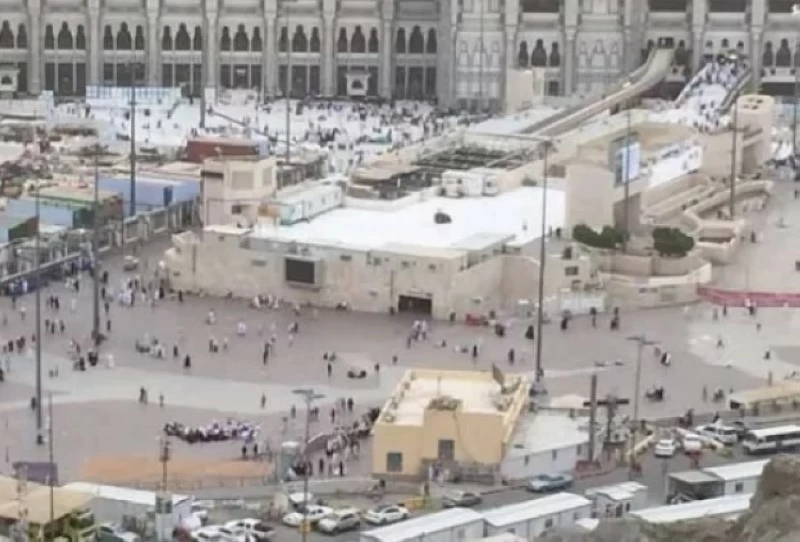
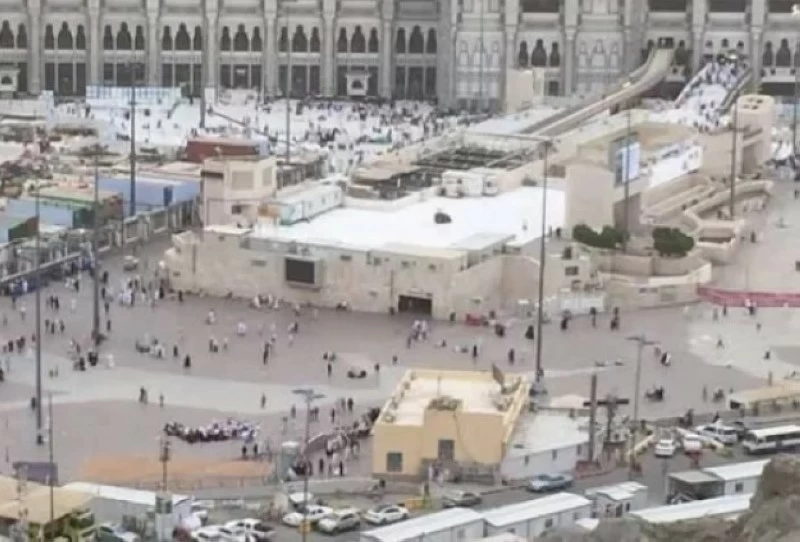
يعد شعب أبي طالب من أبرز المواقع التاريخية والدينية في مكة المكرمة، لما يحمله من دلالات مكانية ومعنوية تعكس مرحلة مفصلية من تاريخ الدعوة الإسلامية. ويمتد الشعب بين جبل أبي قبيس جنوبًا، وجبل خندمة شمالًا وشرقًا، ويُطل مباشرة على المسجد الحرام، ما منحه أهمية إستراتيجية وجغرافية كبيرة منذ العصور الأولى.
ويعرف شعْب أبي طالب بعدة مسميات تاريخية، من بينها شعْب بني هاشم، نسبةً إلى القبيلة التي ارتبط بها، كما أُطلق عليه لاحقًا اسم شِعْب علي، نسبةً إلى علي بن أبي طالب رضي الله عنه، ويكتسب الموقع أهمية خاصة لاحتضانه مكان ولادة النبي محمد صلى الله عليه وسلم في الدار المعروفة باسم «دار ابن يوسف»، الأمر الذي جعله محل اهتمام الباحثين والمهتمين بالسيرة النبوية. ويُظهر شعْب أبي طالب، بما يحمله من أبعاد تاريخية ومعنوية، كيف يمكن للمكان أن يتحول من مجرد جغرافيا إلى أيقونة وذاكرة، تجسّد تداخل التاريخ بالمكان، ويعكس عمق الذاكرة المكية المرتبطة ببدايات الإسلام.
Historical Symbolism
Historical researcher Dr. Hamad Al-Balawi emphasizes that the significance of the Shib Abu Talib lies not only in its geographical location but also in its deep historical symbolism. It is associated with a highly sensitive phase in the history of the Islamic call, as the Prophet Muhammad, peace be upon him, and the Banu Hashim chose it as a refuge after the failure of the Quraysh to stop the spread of Islam. Consequently, the Quraysh resorted to imposing a harsh siege that lasted for about three years, marking one of the most severe trials in the prophetic biography.
Al-Balawi points out that this Shib became a symbol of the Prophet’s patience and steadfastness in bearing the burdens of the message. It is also linked to pivotal memories in Islamic history, including the birth of the Prophet and the birth of Ali ibn Abi Talib, which has made it a strong presence in the historical memory of Muslims.
Al-Balawi highlighted the importance of preserving the documentation of historical sites like Shib Abu Talib, despite the urban changes that have occurred. He considered it essential for history and culture to protect places of high symbolism to ensure they do not fade away, keeping them alive in the historical and visual memory of visitors and researchers, as they are an integral part of the historical identity associated with the prophetic biography in Mecca.
He praised the efforts made by the Royal Commission for the City of Mecca in tracking and documenting these sites.
Shib Abu Talib is one of the most prominent historical and religious sites in Mecca, due to its spatial and moral significance that reflects a pivotal phase in the history of the Islamic call. The Shib extends between Mount Abu Qubais to the south and Mount Khindama to the north and east, directly overlooking the Sacred Mosque, which has granted it great strategic and geographical importance since the early eras.
Shib Abu Talib is known by several historical names, including Shib Banu Hashim, named after the tribe it is associated with. It was later referred to as Shib Ali, named after Ali ibn Abi Talib, may Allah be pleased with him. The site holds special significance as it encompasses the birthplace of the Prophet Muhammad, peace be upon him, in the house known as “Dar Ibn Yusuf,” which has made it a point of interest for researchers and those interested in the prophetic biography. Shib Abu Talib, with its historical and moral dimensions, demonstrates how a place can transform from mere geography into an icon and memory, embodying the intertwining of history with place and reflecting the depth of Meccan memory associated with the beginnings of Islam.