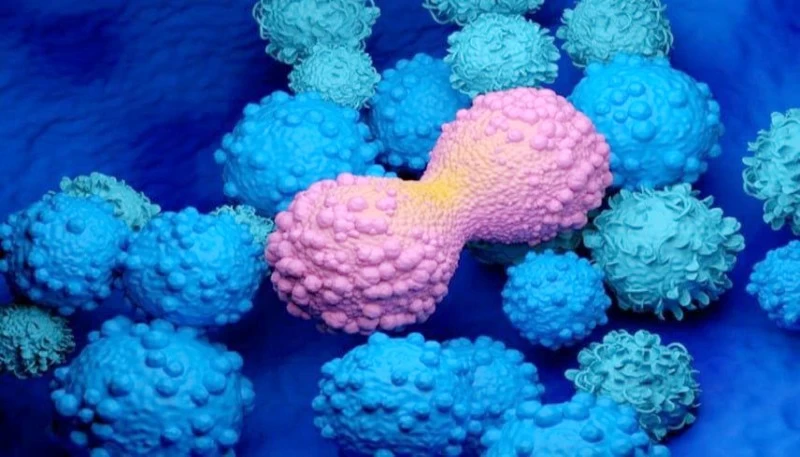
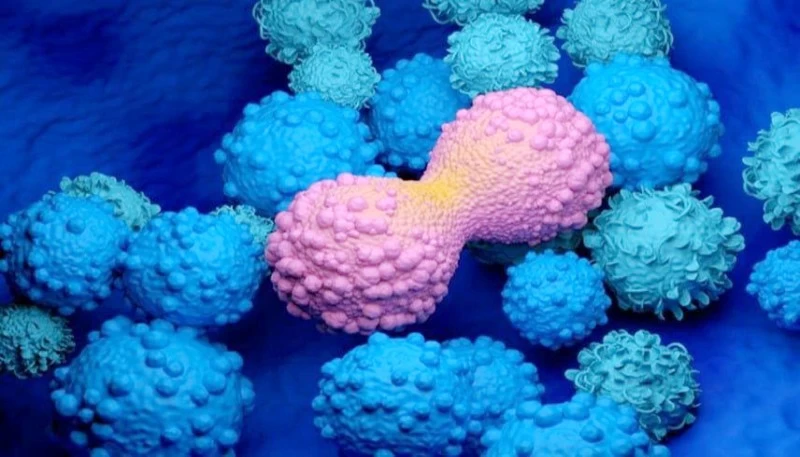
تكشف أبحاث بيولوجية حديثة عن دور محوري لعوامل خلوية دقيقة في المراحل الأولى لتكوّن الأورام، ما يعيد صياغة الفهم التقليدي لبداية السرطان ويمنح المجتمع الطبي فرصة أوسع للتشخيص المبكر والتدخل الوقائي قبل تطوّر المرض إلى مراحل متقدّمة يصعب علاجها، حيث يوضح الباحث هان تشينج من جامعة شينزين الصينية أن التغيّرات الجزيئية المبكرة داخل الخلايا قد تبدأ قبل ظهور الأعراض السريرية بفترات طويلة.
وتشير النتائج إلى أن اختلال التوازن في آليات إصلاح الحمض النووي أو تنظيم انقسام الخلايا يمكن أن يخلق بيئة بيولوجية مهيأة لنمو غير طبيعي، وهو ما يفتح المجال أمام تطوير اختبارات تشخيصية تعتمد على المؤشرات الجزيئية بدلًا من انتظار تشكّل الورم فعليًا، الأمر الذي قد يغيّر جذريًا مسار التعامل الطبي مع المرض.
كما يلفت الباحثون إلى أن فهم هذه المراحل المبكرة لا يقتصر على تحسين فرص العلاج فقط، بل يمتد إلى تصميم استراتيجيات وقائية تستهدف الخلل قبل تحوّله إلى سرطان مكتمل، وهو توجه يتزايد حضوره في الأبحاث العالمية المعاصرة التي تركز على الطب الدقيق والتشخيص الاستباقي.
ويرى مختصون أن هذا المسار العلمي الجديد يعزّز الأمل في تقليل معدلات الوفيات المرتبطة بالسرطان مستقبلًا، خصوصًا مع تسارع تقنيات التحليل الجيني والبيانات الحيوية التي تمكّن الأطباء من قراءة التغيرات الخلوية في وقت مبكر جدًا مقارنة بالوسائل التقليدية.
Recent biological research reveals a pivotal role for subtle cellular factors in the early stages of tumor formation, reshaping the traditional understanding of the onset of cancer and providing the medical community with a broader opportunity for early diagnosis and preventive intervention before the disease progresses to advanced stages that are difficult to treat. Researcher Han Cheng from Shenzhen University in China explains that early molecular changes within cells may begin long before clinical symptoms appear.
The findings suggest that an imbalance in DNA repair mechanisms or cell division regulation can create a biological environment conducive to abnormal growth, opening the door to the development of diagnostic tests based on molecular indicators instead of waiting for the actual formation of a tumor, which could radically change the medical approach to the disease.
Researchers also point out that understanding these early stages is not limited to improving treatment opportunities only, but extends to designing preventive strategies that target the dysfunction before it transforms into full-blown cancer. This is a trend increasingly present in contemporary global research focusing on precision medicine and proactive diagnosis.
Experts believe that this new scientific path enhances hope for reducing cancer-related mortality rates in the future, especially with the acceleration of genetic analysis and biomarker technologies that enable doctors to detect cellular changes much earlier compared to traditional methods.