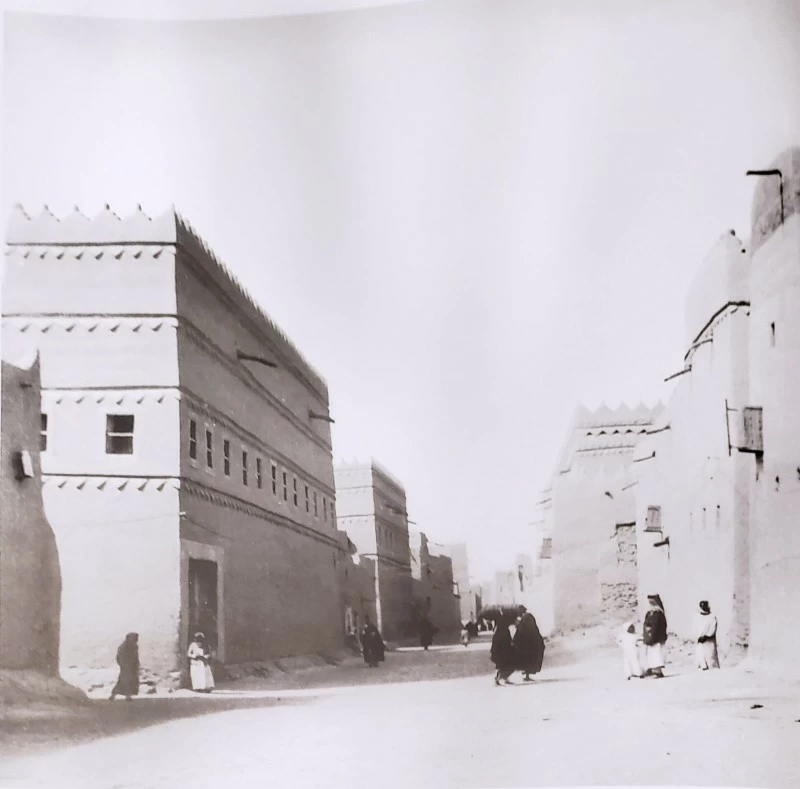
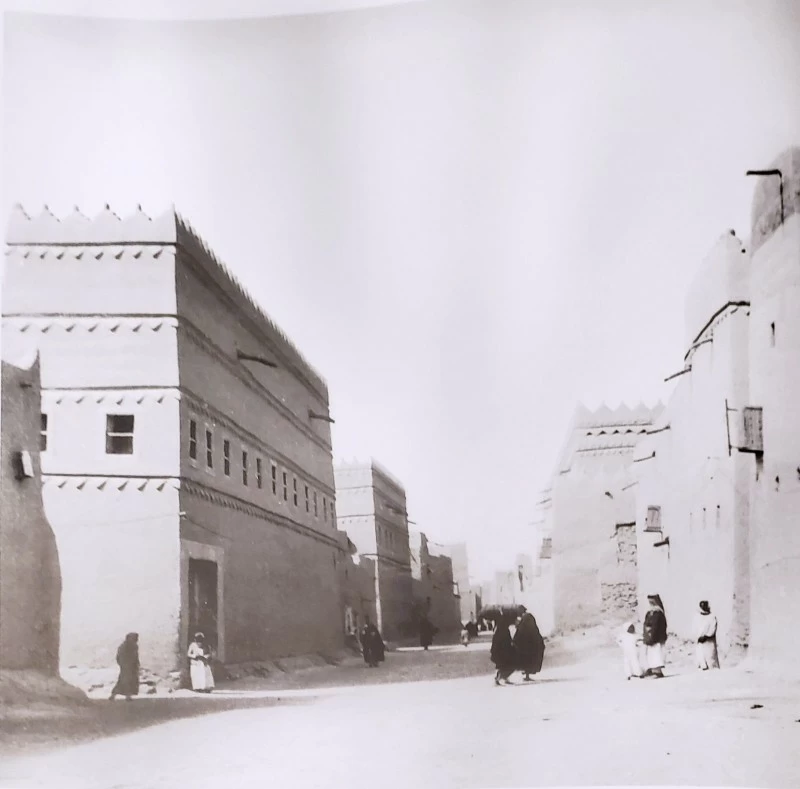
سُمّيت الحلّة في العاصمة الرياض بهذا الاسم لكثرة الذين استقروا بها وحلّوا فيها؛ ممن قدموا من الأطراف؛ في مرحلة كان فيها المكان مرتبطاً بالعمل الحِرفي والمهني اليدوي، فهناك صناعات تقليدية، ومنظومة إنتاج قبل أن تحكم الآلة وتتحكم في الصناعات ومسوقيها.
وشكّلت الحلّة في تلك الفترة مساحة تعايش وتكامل إنساني، وارتبطت بحركة العمل اليومي لقربها من المزارع ومصادر الرزق، ما جعلها نقطة استقرار للكادحين ممن اعتمدوا على الجهد اليدوي والبدني في كسب عيشهم وأسهموا بدورهم في الحياة الاقتصادية والاجتماعية والثقافية.
ومع التحولات العمرانية والاجتماعية التي شهدتها الرياض تغيّر المكان، وانتقل السكان، وتباعد الجيران؛ واكتسبت الأحياء مسميات أكثر حداثة؛ دلالة على تدشين مرحلة جديدة، وتحويل الحارات والأزقة إلى أحياء مؤنسنة أكثر تنظيماً وترتيباً ومردوداً اقتصادياً.
وتبقى «الحلّة» لاحقاً شاهداً على مرحلة من تاريخ المدينة، إذ كانت الأحياء تُسمّى بوظائفها وسكانها قبل أن تتحول إلى مسميات تعكس اندماجها في المدينة الحديثة، فيما وظّفت النخب الثقافية كثيراً من حكايات الحيّ الشعبية في أعمال أدبية تحفظ سيرة وذاكرة مكان.
The neighborhood was named in the capital Riyadh for the many who settled and lived there; those who came from the outskirts; during a time when the place was associated with manual and craft work, as there were traditional industries and a production system before machines dominated and controlled industries and their marketers.
During that period, the neighborhood formed a space for coexistence and human integration, and it was linked to the daily work movement due to its proximity to farms and sources of livelihood, which made it a point of stability for the laborers who relied on manual and physical effort to earn their living and contributed in turn to the economic, social, and cultural life.
With the urban and social transformations that Riyadh witnessed, the place changed, the residents moved, and neighbors became more distant; neighborhoods acquired more modern names, indicating the launch of a new phase, transforming alleys and streets into more organized and orderly humanized neighborhoods with economic returns.
The “neighborhood” remains a testament to a phase in the city’s history, as neighborhoods were named after their functions and residents before they transformed into names reflecting their integration into the modern city, while cultural elites employed many of the neighborhood’s popular stories in literary works that preserve the history and memory of the place.