

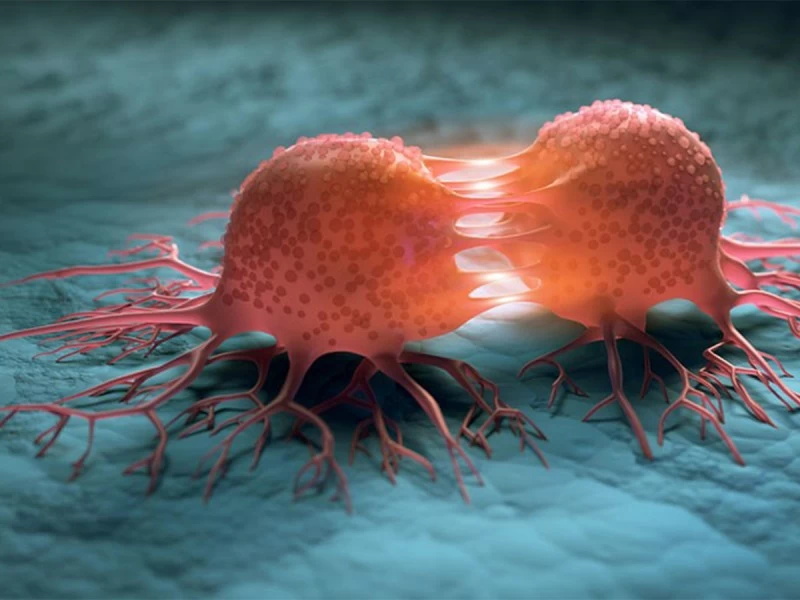
طور باحثون يابانيون نظاما يستخدم الذكاء الاصطناعي للكشف عن سرطان عنق الرحم بدقة عالية من خلال تحليل الصور ثلاثية الأبعاد للخلايا التي يتم جمعها أثناء الفحوصات التقليدية.
وأكد الباحثون، أن النظام يلتقط أولا صورا ثنائية الأبعاد لمجموعة من الخلايا تصل إلى مليون خلية بدقة عالية تصل إلى جزء من ألف من المليمتر، كما يسهم ذات النظام في إنشاء تجسيدات رقمية ثلاثية الأبعاد لعينات الخلايا.
وأشار الباحثون إلى أنه بعد ذلك تخضع كل خلية في الصور ثلاثية الأبعاد لتحليل مفصل بواسطة نموذج ذكاء اصطناعي، وأن هذا النموذج لا يستغرق سوى بضع دقائق لتحديد الخلايا السرطانية والخلايا ما قبل السرطانية.
وأظهرت نتائج التحليل المولد بواسطة الذكاء الاصطناعي نفس دقة الاختبارات التي يجريها المتخصصون البشر، أوأكثر دقة في بعض الحالات.
وذكر الباحثون أن النظام يستطيع إكمال العملية برمتها تلقائيا، بدءا من التقاط صور ثنائية الأبعاد لعينات الخلايا، وصولا إلى الحصول على نتائج التحليل.
وأكد تشيبا توموهيرو، أحد الباحثين في قسم علم الخلايا بمستشفى معهد السرطان التابع للمؤسسة اليابانية لأبحاث السرطان، أن هذا النظام يساعد خبراء الفحص في التشخيص السريع، معربا عن أمله في أن يؤدي الكشف المبكر عن السرطانات، إلى مستويات لائقة من الرعاية الطبية.
يشار إلى أن الفحوصات التقليدية للكشف عن سرطان عنق الرحم تتطلب فحصا مجهريا من قبل أخصائيين بشر، ويتم إجراء نحو 10 ملايين فحص من هذا النوع سنويا في اليابان وحدها، ما يؤدي إلى نقص في الكوادر الطبية.
Japanese researchers have developed a system that uses artificial intelligence to detect cervical cancer with high accuracy by analyzing three-dimensional images of cells collected during traditional examinations.
The researchers confirmed that the system first captures high-resolution two-dimensional images of a group of cells, reaching up to one million cells with an accuracy of one-thousandth of a millimeter. The same system also contributes to creating three-dimensional digital representations of cell samples.
The researchers pointed out that each cell in the three-dimensional images then undergoes detailed analysis by an artificial intelligence model, which takes only a few minutes to identify cancerous and precancerous cells.
The results of the analysis generated by the artificial intelligence showed the same accuracy as tests conducted by human specialists, or even greater accuracy in some cases.
The researchers noted that the system can complete the entire process automatically, from capturing two-dimensional images of cell samples to obtaining analysis results.
Chiba Tomohiro, one of the researchers in the Department of Cell Biology at the Cancer Institute Hospital of the Japanese Foundation for Cancer Research, confirmed that this system assists screening experts in rapid diagnosis, expressing hope that early detection of cancers will lead to adequate levels of medical care.
It is worth mentioning that traditional examinations for detecting cervical cancer require microscopic examination by human specialists, with about 10 million such tests conducted annually in Japan alone, leading to a shortage of medical personnel.