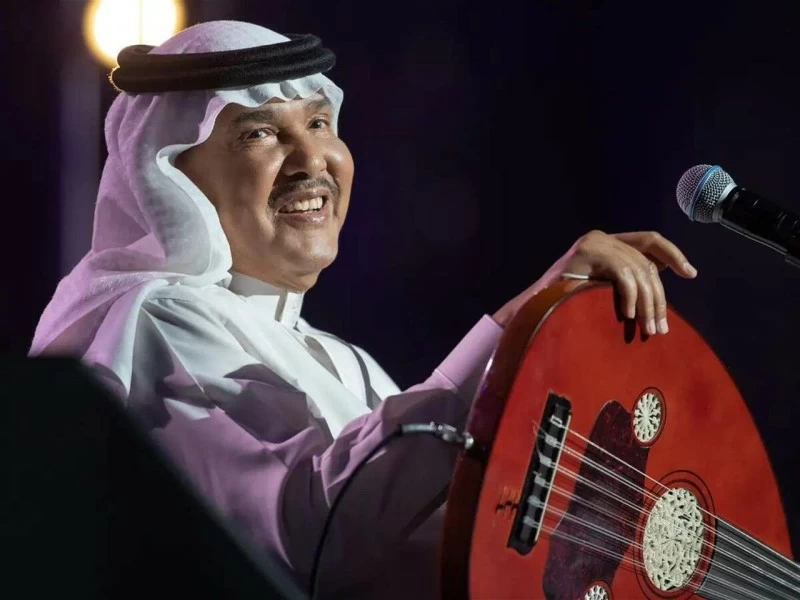
عاد اسم فنان العرب محمد عبده إلى واجهة الجدل وتصدر «الترند» عبر منصات مواقع التواصل الاجتماعي، لا بسبب قضية فنية جديدة أو تصريح مثير كما اعتاد جمهوره في مثل هذه الأيام من كل عام، بل بسبب قرار إداري مثير للتساؤل في توقيته وفجائيته، وبدا للبعض أقرب إلى الإشارة الرمزية منه إلى مجرد تنظيم جدول حفلات.
التصريح جاء على لسان نجله ومدير مكتبه بدر محمد عبده، مؤكداً أن الفنان سيُقنّن مشاركاته الفنية وفق ظروفه، مع حضوره المعتاد في المناسبات الوطنية.
هنا بدأ السؤال يكبر: هل نحن أمام تمهيد لاعتزال تدريجي؟ أم أمام إعادة ترتيب أوراق فنان تجاوز السبعين وقدم على مدى أكثر من 6 عقود رصيداً يصعب حصره؟
مصادر مقربة ومسؤولون نفوا بشكل واضح أي نية للاعتزال، ووصفت الخطوة بأنها أقرب إلى «استراحة محارب» منها إلى انسحاب نهائي.
القراءة المنطقية قد تدعم هذا الطرح؛ فالفنان الذي لا يزال صوته حاضراً، وجمهوره متعطشاً، لن يغامر بإغلاق الستار فجأة، لكنه في المقابل لن يتجاهل معادلة الصحة والعمر وزخم المشاركات.
القرار –إذا جُرّد من العاطفة– يبدو من قبيل الحكمة والتعقل -بحسب مراقبين- فالتقنين لا يعني الغياب، بل انتقاء اللحظة والمكان. والفنان الكبير يدرك أن الحضور المدروس أبلغ أثراً من الظهور المتكرر.
بين خوف الجمهور من كلمة «اعتزال»، واطمئنان المقربين إلى أنه مجرد تنظيم وقت، يبقى الثابت أن «فنان العرب» لا يزال في قلب المشهد، لكن بإيقاع يختاره هو هذه المرة، لا السوق، ولا الزخم.
The name of the Artist of the Arabs, Mohammed Abdu, has returned to the forefront of controversy and topped the “trend” across social media platforms, not due to a new artistic issue or a provocative statement as his audience is accustomed to at this time of year, but rather due to a puzzling administrative decision regarding its timing and suddenness, which seemed to some more like a symbolic indication than just organizing a concert schedule.
The statement came from his son and office manager, Badr Mohammed Abdu, confirming that the artist will regulate his artistic participation according to his circumstances, while maintaining his usual presence at national events.
Here, the question began to grow: Are we witnessing a gradual retirement preparation? Or a rearrangement of the affairs of an artist who has surpassed seventy and has provided a body of work over more than six decades that is difficult to quantify?
Close sources and officials clearly denied any intention to retire, describing the step as closer to a “warrior’s rest” than to a final withdrawal.
The logical reading may support this proposition; the artist, whose voice is still present and whose audience is eager, would not risk closing the curtain suddenly, but on the other hand, he will not ignore the equation of health, age, and the intensity of participation.
The decision—if stripped of emotion—seems to be one of wisdom and prudence, according to observers; regulating does not mean absence, but rather choosing the moment and place. The great artist understands that a studied presence has a more profound impact than repeated appearances.
Between the audience’s fear of the word “retirement” and the reassurance of close ones that it is merely time management, the constant remains that the “Artist of the Arabs” is still at the heart of the scene, but with a rhythm he chooses this time, not the market or the momentum.