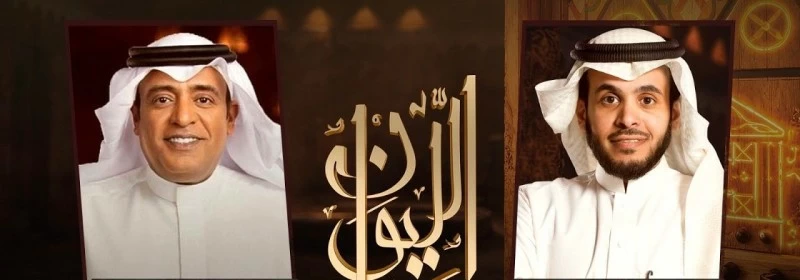
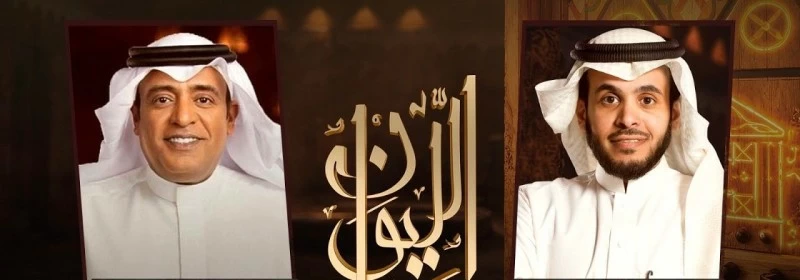
لم تكن حلقة «الليوان» التي استضاف فيها عبدالله المديفر ضيفه المثير للجدل وليد الفراج مجرد لقاء عابر في موسم رمضاني مزدحم، بل مواجهة إعلامية انتظرها الجمهور كما تُنتظر مباريات القمة. فمنذ إعلان الاستضافة، اشتعلت منصات التواصل بين مرحّب يرى في الحلقة كشفًا لحقيقة شخصية مثيرة للجدل، وناقد يعتبرها «منح منصة إضافية» لصوت يثير الانقسام، ومراقب يترقب ما إذا كان عبدالله المديفر قادرًا على محاصرة ضيف اعتاد إدارة المعارك لا خوضها فقط.
الجدل لم يكن وليد اللحظة
الفراج، بحضوره اليومي في المشهد الرياضي، هناك من يراه صوتًا صريحًا يضع إصبعه على الجرح، وهناك من يتهمه بالشعبوية ورفع سقف الإثارة على حساب الهدوء. وبين الفريقين تقف فئة ثالثة ترى أن «الميول» والانحيازات الجماهيرية هي التي تغذي النار، لا أسلوب الطرح بحد ذاته.
في الحلقة، لم يبدُ الفراج في موقع الدفاع المرتبك، وفند كثيرًا من الاتهامات التي لاحقته.
وصف ما أُشيع عن عمله في «فرقة شعبية» بالكذبة، معتبرًا أنها إما ناتجة عن لبس متعلق ببداياته المهنية، أو إسقاط اجتماعي يراد منه وضعه في خانة أقل.
وفي ملف الأندية، أكد أنه ليس ضد النصر، معتبرًا أن كثيرًا من قضاياه «مفتعلة»، ومشيرًا إلى حملات تُصنع ثم يُطلب منه الاصطفاف معها أو ضدها. وفي المقابل، وصف الهلال بالنادي العظيم الذي قدّم للمملكة حضورًا عالميًا، معتبرًا أنه يفترض أن يكون ملهمًا لبقية المنافسين بدلًا من محاولة تشويه صورته وهو ما يجعله في موضع انزعاج منافسيه.
تصريحات كهذه أعادت إشعال الانقسام: هل تحدث بميزان مهني أم بميزان ميول؟
الأكثر إثارة كان حديثه عن استقطاب كريستيانو رونالدو، حين قال بلهجته الحادة إن وصف الصفقة «جاءت بخشم الريال» ردة فعل في لحظة نقاش، مؤكدًا أنه لن يعتذر لأحد «ومن يزعل بسلامته».
أما عن إدارة الحوار، فقد رأى بعض المشاهدين أن الفراج أفلت من قبضة المديفر، وأن المداخلات لم تكن كافية لمحاصرته. بينما رأى آخرون أن المديفر ترك المساحة عمدًا ليكشف الضيف نفسه بنفسه. الحقيقة أن الحلقة لم تحسم الجدل بقدر ما عمّقته.
فمن كسب الرهان؟
هل هو الفراج الذي خرج كما دخل، محتفظًا بسقف صوته ونبرته؟
أم المديفر الذي واصل تحقيق نسب مشاهدة عالية بإدارة حوار مثير؟
The episode of “Al-Liwan,” in which Abdullah Al-Mudefer hosted the controversial guest Walid Al-Faraj, was not just a fleeting meeting during a busy Ramadan season, but rather a media confrontation that the audience awaited as eagerly as they do for top matches. Since the announcement of the hosting, social media platforms have ignited between those who welcome it as a revelation of a controversial personality and critics who see it as “granting an additional platform” to a voice that stirs division, while observers are watching to see if Abdullah Al-Mudefer can contain a guest who is used to managing battles rather than just engaging in them.
The controversy was not born of the moment
Al-Faraj, with his daily presence in the sports scene, is seen by some as a candid voice that puts its finger on the wound, while others accuse him of populism and raising the excitement at the expense of calm. Between these two groups stands a third faction that believes that “the inclinations” and public biases are what fuel the fire, not the method of presentation itself.
In the episode, Al-Faraj did not appear to be in a defensive position, and he refuted many of the accusations that followed him.
He described what was rumored about his work in a “popular band” as a lie, considering it either a result of confusion related to his early professional days or a social projection intended to place him in a lesser category.
Regarding the clubs, he confirmed that he is not against Al-Nasr, considering that many of its issues are “fabricated,” and pointing to campaigns that are created and then he is asked to align with or against them. Conversely, he described Al-Hilal as a great club that has provided the Kingdom with a global presence, asserting that it should be an inspiration for other competitors instead of attempting to tarnish its image, which puts him in a position of discomfort among his rivals.
Such statements reignited the division: Is he speaking with a professional balance or a bias scale?
The most provocative was his talk about the recruitment of Cristiano Ronaldo, when he sharply stated that describing the deal as “coming with the nose of the Riyal” was a reaction in the moment of discussion, affirming that he would not apologize to anyone and “whoever is upset, that’s their problem.”
As for the management of the dialogue, some viewers felt that Al-Faraj slipped from Al-Mudefer’s grip, and that the interventions were not sufficient to contain him. Meanwhile, others believed that Al-Mudefer intentionally left space for the guest to reveal himself. The truth is that the episode did not resolve the controversy as much as it deepened it.
So who won the bet?
Is it Al-Faraj, who left as he entered, maintaining his tone and volume?
Or Al-Mudefer, who continued to achieve high viewership rates with an engaging dialogue?