


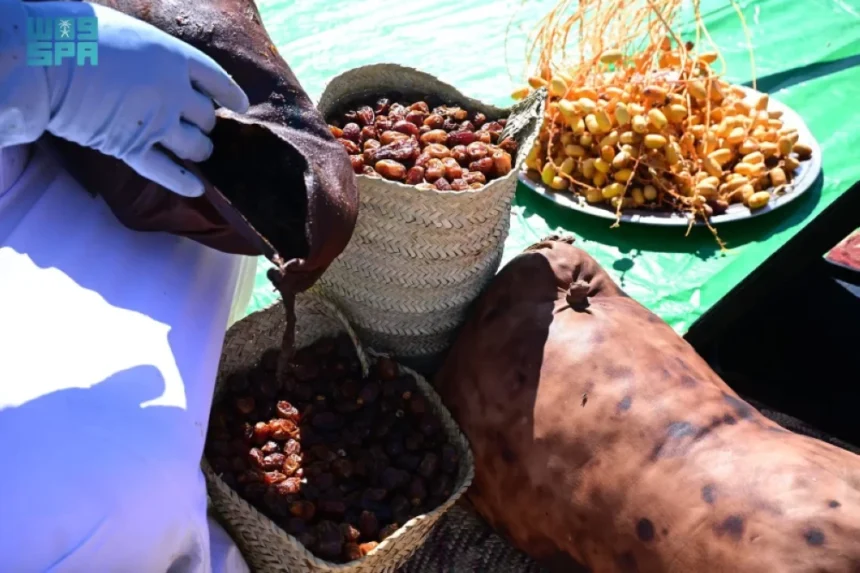
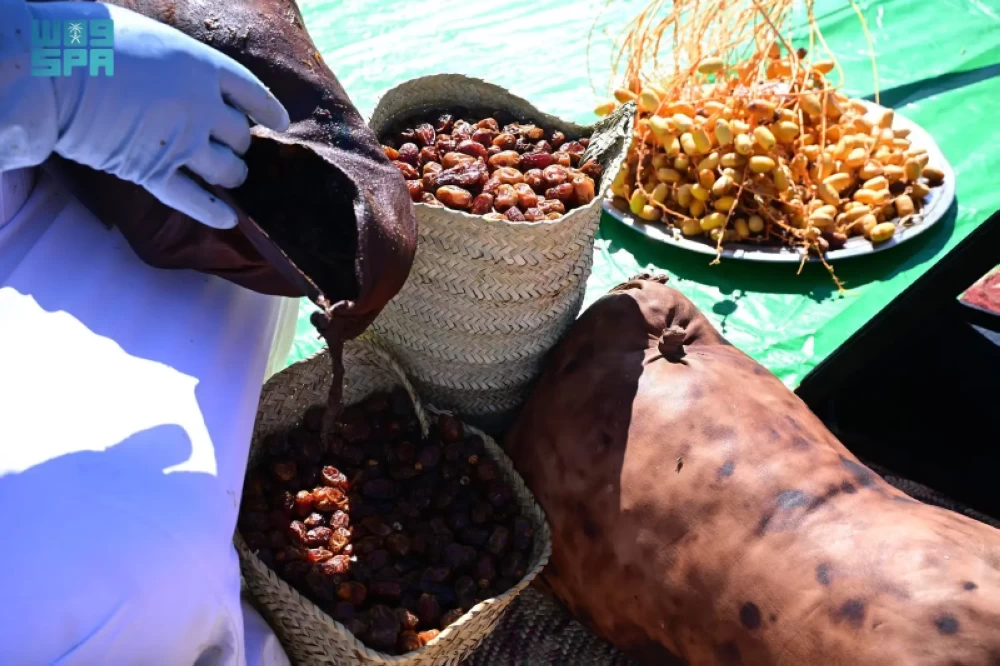
«الشنّة» و«المجلاد» تعدان من وسائل حفظ التمور في محافظة العُلا ولا تزال قائمة حتى وقتنا الحاضر؛ إذ شكّلتا عبر الأجيال جزءًا من الممارسات الزراعية والغذائية المرتبطة بموسم التمور في المحافظة.
ويعتمد الأهالي على «الشنّة» -المصنوعة من جلود الحيوانات- في حفظ التمور وتخزينها لفترات طويلة مع الحفاظ على جودتها، فيما يُستخدم «المجلاد» المصنوع من سعف النخيل وسيلةً تقليدية تُسهم في حماية التمور من العوامل البيئية، وتسهّل نقلها وتخزينها.
وتأتي هذه الممارسات ضمن الإرث الزراعي الذي توارثه أهالي العُلا، في ظل تنوع أصناف التمور التي تشهد إقبالًا متزايدًا خلال شهر رمضان؛ نظرًا لما تمثّله من عنصرٍ أساسي على المائدة الرمضانية، وما تتميز به تمور العُلا من جودة وقيمة غذائية عالية.
وتعكس هذه الوسائل التقليدية ارتباط المجتمع المحلي بالنخلة، بوصفها أحد أبرز مكونات الهوية الزراعية في المحافظة، واستمرار استخدام أدوات الحفظ القديمة إلى جانب الوسائل الحديثة؛ بما يُجسّد الحفاظ على الموروث الزراعي، وتعليم الأجيال هذه المهنة والوسائل التقليدية التي باتت تحظى بفعالية سنوية تُسهم في استدامتها ونقلها عبر الزمن.
“Al-Shanah” and “Al-Majlad” are considered methods for preserving dates in the Al-Ula region and are still in use today; they have formed part of the agricultural and dietary practices associated with the date season in the region across generations.
The locals rely on “Al-Shanah” – made from animal skins – to preserve and store dates for long periods while maintaining their quality, while “Al-Majlad,” made from palm fronds, serves as a traditional means that helps protect dates from environmental factors and facilitates their transport and storage.
These practices are part of the agricultural heritage passed down by the people of Al-Ula, amid the variety of date types that see increasing demand during the month of Ramadan; due to their representation as a staple on the Ramadan table, and the high quality and nutritional value of Al-Ula dates.
These traditional methods reflect the local community’s connection to the palm tree, as one of the most prominent components of the agricultural identity in the region, and the continued use of old preservation tools alongside modern methods; embodying the preservation of agricultural heritage and teaching future generations this profession and the traditional means that now enjoy an annual effectiveness contributing to their sustainability and transmission over time.