

تستضيف مدينة جنيف، اليوم (الخميس)، جولة جديدة من المحادثات غير المباشرة بين إيران والولايات المتحدة، في محاولة لحل النزاع النووي المستمر منذ عقود، وتفادي توجيه ضربات أمريكية جديدة لطهران في ظل حشد عسكري واسع في المنطقة.
وتأتي هذه الجولة بعد استئناف المفاوضات مطلع الشهر الجاري، بهدف كسر الجمود حول البرنامج النووي الإيراني، الذي ترى فيه واشنطن ودول غربية وإسرائيل مسارًا محتملًا نحو إنتاج سلاح نووي، وهو ما تنفيه طهران مؤكدة أن برنامجها ذو طابع سلمي.
وساطة عُمانية وتحركات أمريكية لافتة
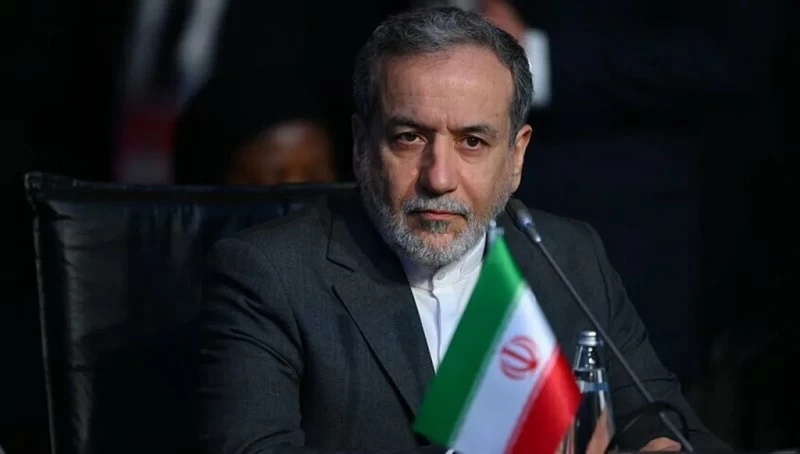
يشارك في المحادثات وزير الخارجية الإيراني عباس عراقجي، فيما يقود الوفد الأمريكي المبعوث الخاص ستيف ويتكوف، بوساطة وزير الخارجية العُماني بدر البوسعيدي، الذي ينقل المقترحات بين الجانبين.
وقبيل الجولة، ناقش عراقجي مع الوزير العُماني تفاصيل المقترحات التي تعتزم طهران طرحها للتوصل إلى اتفاق، في حين من المقرر أن يلتقي البوسعيدي صباح اليوم بالفريق الأمريكي لعرض وجهات النظر المتبادلة.
الرئيس الأمريكي دونالد ترمب، جدّد في خطاب (حالة الاتحاد) تأكيده تفضيل الحل الدبلوماسي، لكنه شدد على أنه لن يسمح لإيران بامتلاك سلاح نووي، ودعمًا لموقفه، عززت واشنطن وجودها العسكري في الشرق الأوسط عبر نشر مقاتلات ومجموعات حاملات طائرات ومدمرات، في أكبر حشد منذ غزو العراق عام 2003.
الصواريخ الباليستية.. عقدة إضافية
ورغم تركّز المحادثات على البرنامج النووي، أكد وزير الخارجية الأمريكي ماركو روبيو أن رفض إيران مناقشة برنامجها للصواريخ الباليستية يمثل (مشكلة كبيرة)، مشيرًا إلى أن هذه الصواريخ تهدد الاستقرار الإقليمي.
من جهتها، تؤكد طهران أن من حقها تطوير التكنولوجيا النووية السلمية، لكنها تسعى إلى اتفاق (عادل وسريع) يرفع العقوبات الاقتصادية المفروضة عليها.
وبحسب تقارير، عرضت إيران تنازلات جديدة مقابل الاعتراف بحقها في تخصيب اليورانيوم ورفع العقوبات، إلا أن الخلاف لا يزال قائمًا بشأن نطاق وتوقيت تخفيفها.
ضغوط داخلية وخارجية
وتأتي المفاوضات وسط ضغوط متزايدة على القيادة الإيرانية، فالمرشد الأعلى علي خامنئي يواجه تحديات اقتصادية خانقة نتيجة العقوبات وتشديدها، إلى جانب اضطرابات داخلية.
وأكد الرئيس الإيراني مسعود بريشكيان أن بلاده تحظر أسلحة الدمار الشامل بموجب فتوى دينية، مشددًا على التزام إيران بمعاهدة حظر الانتشار النووي.
ومن المنتظر أن يشارك مدير الوكالة الدولية للطاقة الذرية رافائيل غروسي في جنيف لإجراء مشاورات موازية، كما حدث الأسبوع الماضي، في ظل دور الوكالة الرقابي على الأنشطة النووية الإيرانية.
في المقابل، تُتهم إسرائيل – التي لم تنضم إلى معاهدة حظر الانتشار – بامتلاك ترسانة نووية، دون تأكيد أو نفي رسمي.
انعكاسات إقليمية
وانعكست أجواء الترقب على أسواق الطاقة، إذ ارتفعت أسعار النفط بشكل طفيف مع تقييم المستثمرين لاحتمالات تفادي مواجهة عسكرية قد تعطل الإمدادات.
هل تقترب التسوية أم المواجهة؟
ورغم أن الطرفين يؤكدان أن الاتفاق (في المتناول)، فإن الهوة لا تزال عميقة بشأن تخصيب اليورانيوم والعقوبات والصواريخ الباليستية، وبين مسار الدبلوماسية وحشد القوة العسكرية، تبدو جنيف محطة مفصلية قد تحدد اتجاه الأزمة نحو انفراج تدريجي أم تصعيد إقليمي أوسع.
The city of Geneva is hosting a new round of indirect talks between Iran and the United States today (Thursday), in an attempt to resolve the decades-long nuclear dispute and avoid new American strikes on Tehran amidst a large military buildup in the region.
This round comes after negotiations resumed earlier this month, aiming to break the deadlock over the Iranian nuclear program, which Washington, Western countries, and Israel view as a potential pathway to nuclear weapon production, a claim Tehran denies, asserting that its program is peaceful in nature.
Omani Mediation and Notable American Moves
Iranian Foreign Minister Abbas Araghchi is participating in the talks, while the American delegation is led by special envoy Steve Biegun, with mediation from Omani Foreign Minister Badr al-Busaidi, who is conveying proposals between the two sides.
Prior to the round, Araghchi discussed with the Omani minister the details of the proposals Tehran intends to present to reach an agreement, while al-Busaidi is scheduled to meet with the American team this morning to present the exchanged viewpoints.
U.S. President Donald Trump reiterated in his State of the Union address his preference for a diplomatic solution, but emphasized that he would not allow Iran to possess nuclear weapons. In support of his position, Washington has bolstered its military presence in the Middle East by deploying fighter jets, aircraft carrier groups, and destroyers, in the largest buildup since the invasion of Iraq in 2003.
Ballistic Missiles… An Additional Knot
Despite the focus of the talks on the nuclear program, U.S. Secretary of State Marco Rubio stated that Iran’s refusal to discuss its ballistic missile program represents a (major problem), noting that these missiles threaten regional stability.
For its part, Tehran asserts its right to develop peaceful nuclear technology, but it seeks a (fair and swift) agreement that lifts the economic sanctions imposed on it.
According to reports, Iran has offered new concessions in exchange for recognition of its right to enrich uranium and lift sanctions, but disagreements remain regarding the scope and timing of their alleviation.
Internal and External Pressures
The negotiations come amid increasing pressures on the Iranian leadership, as Supreme Leader Ali Khamenei faces severe economic challenges due to sanctions and their tightening, along with internal unrest.
Iranian President Masoud Barishkiyan confirmed that his country prohibits weapons of mass destruction under a religious fatwa, emphasizing Iran’s commitment to the Treaty on the Non-Proliferation of Nuclear Weapons.
The Director General of the International Atomic Energy Agency, Rafael Grossi, is expected to participate in Geneva for parallel consultations, as was the case last week, given the agency’s oversight role on Iranian nuclear activities.
In contrast, Israel – which has not joined the Non-Proliferation Treaty – is accused of possessing a nuclear arsenal, without any official confirmation or denial.
Regional Implications
The atmosphere of anticipation has reflected on energy markets, with oil prices rising slightly as investors assess the likelihood of avoiding a military confrontation that could disrupt supplies.
Is Settlement or Confrontation Approaching?
Although both sides assert that an agreement is (within reach), the gap remains deep regarding uranium enrichment, sanctions, and ballistic missiles. Between the path of diplomacy and military buildup, Geneva appears to be a pivotal stop that could determine the direction of the crisis towards gradual relief or broader regional escalation.