

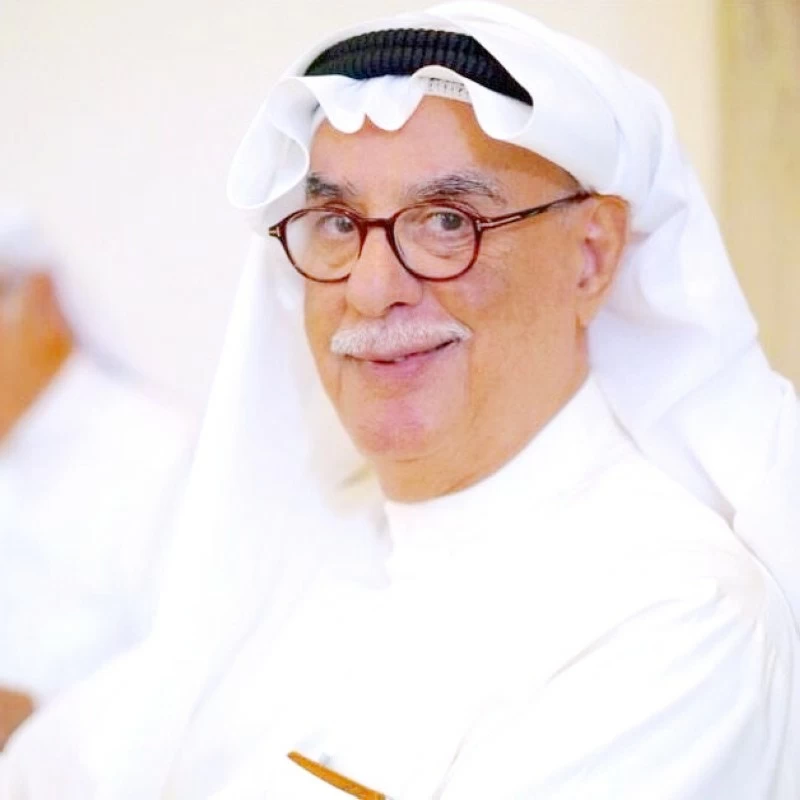
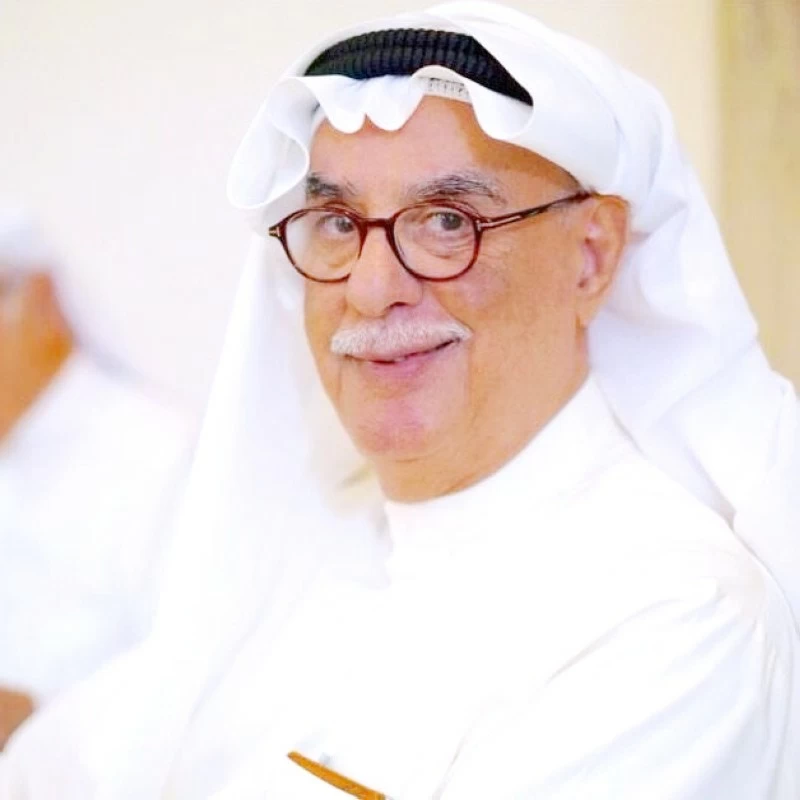
المفكر الدكتور محمد الرميحي، شخصية فخمة بكل معطياتها، إلا أنه إنسان رقيق وراقٍ على مستويات عدة، وها نحن نعود معه إلى ذكريات تبعد عنه وعنا قرابة ستة عقود، لنتهجَّى شيئاً من ملامح وملاحة وأحلام تلك الأيام، فإلى نص المسامرة:
رائحة المطبخ
• ماذا عن ذكريات الطفولة الرمضانية؟
•• رمضان الطفولة كان زمناً بطيئاً ودافئاً. أتذكره بروائح البيوت أكثر مما أتذكره بالأيام؛ رائحة المطبخ قبيل المغرب، وصوت المذياع، وانتظار الأذان بقلق بريء. كان الصوم تجربة جسدية بسيطة، لكنه كان أخلاقياً عميقاً. وأول تجربة صوم لي تلقيتُ من الوالد -رحمه الله- هدية «بسكليته» (دراجة هوائية)، بسبب نجاحي في صومي الأول لرمضان.
• هل تأخذك النوستالجيا للمكان؟
•• نعم، للمكان دور مركزي في الذاكرة الرمضانية؛ الأزقة، المساجد الصغيرة، والبيوت القديمة. المكان في رمضان ليس جغرافياً فقط، بل وجداني. لقد كان منزلنا في القديم في رمضان ملتقى الأهل والأصدقاء فكان موعد الإفطار جماعياً وليس شخصياً، وقتها في الطفولة كان ظهور الراديو الذي كان ينقل التسابيح والأذان، فكان الرجال يجتمعون حوله قبل دقائق من موعد الإفطار، أما النساء فكنّ مشغولات بإعداد ما لذَّ وطاب من الطعام خصوصاً «الهريس» وهو الحبَّ المطبوخ مع اللحم، و«التشريبة»؛ أي خبز الرقاق مع المرق.
• ماذا يعني أن يعود عليك رمضان وأنت تقرأ وتكتب؟
•• يعني مراجعة النفس أكثر من مراجعة الكتب. القراءة تصبح أبطأ، والكتابة أكثر حذراً. ولكنه موعد جميل يعطيك من الوقت أكثر مما تخصه في أيام الإفطار، وعادة ما أرجع لكتب التراث خصوصاً تلك الكتب التي تقدم زاداً معرفياً إضافياً.
• من تفقد في الشهر الفضيل؟
•• أفتقد الوجوه التي كانت تملأ الطاولة بالكلام لا بالطعام. الغياب في رمضان شكل آخر من الحضور. أفقد بالطبع الوالد والوالدة (رحمهما الله) وأيضا الجيران من الأقارب الذين كانوا دائماً على سفرة الوالد، وإثر التطور الحديث أصبح الناس شبه فرادى، وحتى التهنئة برمضان أصبحت في الغالب تصلك عبر وسائل التواصل الاجتماعي.
• ما العادة التي تحرص عليها مطلع رمضان؟
•• الهدوء، وتقليل الضجيج، خصوصاً الداخلي، وزيارة بعض الديوانيات التي أتردد عليها للتهنئة، والأهم تجمُّع العائلة الكبيرة في اليوم الثاني من أبناء العمومة وأولادي والأحفاد.
• أي ساعة في رمضان تشعر فيها بسعادة أكبر؟
•• ما قبل المغرب بقليل، لحظة صفاء واكتمال الصيام وقرب الإفطار، عادة بعد أخذ قيلولة قصيرة.
• لماذا نخصّ رمضان بالأطباق الفرايحية؟
•• لأن الطعام طقس اجتماعي وذاكرة مشتركة، لا استهلاكاً فقط، وأيضاً بسبب الجوع النسبي يظن الإنسان انه سوف يأكل كل ما يطبخ، ولكن الحقيقة الإنسانية تقول دائماً إننا عقب لقيمات نكون أسكتنا صوت الجوع.
المراجعة والتعديل والضبط
• كيف تقضي يوم صيامك؟
•• أقضيه في القراءة والكتابة، فأنا مرتبط بعدد من مؤسسات صحفية أقوم بإعداد مقالاتي في أي ظرف كان وحتى في رمضان، فالدقة تتطلب مني الكتابة والمراجعة والتعديل والضبط.
• ما موقف والدتك ووالدك من صومك المبكِّر؟
•• كان تشجيعاً ممزوجاً بالرحمة، دون قسر، ومع التشجيع كما قلت في البداية هدية كنت في شوق إليها (دراجة هوائية).
• ما برنامجك الرمضاني من الفجر إلى السحور؟
•• الفجر للتأمل، النهار للعمل، المساء للأسرة أو الزيارة، أو العزلة، والسحور للمصالحة مع اليوم. وأحرص أن يكون السحور وجبة خفيفة عادة في الأعوام الأخيرة أتناولها مبكراً في الديوانية التي أذهب إليها كل ليلة مع الأصدقاء.
• أي الأكلات التي تحرص على وجودها على مائدتك؟
•• الأكلات البسيطة ذات الجذور المحلية؛ «هريس» و«تشريبة» وسلطة.
• من تدعو لتناول الإفطار أو السحور معك؟
•• الأقرب فالأقرب، وبعض الأصدقاء ولكنهم يتغيرون.
• كيف تقرأ تحولات المجتمع السعودي من خلال رمضان؟
•• رمضان مرآة للتحولات، مع بقاء الجوهر الروحي حاضراً. وليس لدي دراية تامة بالمجتمع السعودي ولكني أعتقد أن مجتمعات الخليح متقاربة في الكثير من السلوكيات الرمضانية، وما تغير في بلادنا هو التحول من الأسرة الممتدة إلى الأسرة النواة الصغيرة.
الرياضة بروح ثقافية
• هل تتابع برامج إذاعية أو تلفزيونية؟
•• أميل للإذاعة والبرامج الهادئة. وأتابع بعض المسلسلات ولكنها في الغالب تثير الكثير من السلبية لدي لأنها لم تعد بالجودة السابقة، أصبحت مجالاً للصراخ وبعيدة عن الواقعية.
• أين درست المرحلة الابتدائية؟
•• في مدرسة حكومية بسيطة من نسيج الحي تسمى المدرسة الشرقية.
• من بقي من زملاء الفصل؟
•• قليلون، لكن حضورهم في الذاكرة أعمق. فقد ذهب البعض إلى ربه، وانشغل الآخرون بمشاغل الحياة الحديثة.
• ما المواقف العالقة بالذهن من الدراسة؟
•• لحظات النجاح الأولى ودهشة الاكتشاف. للمعرفة وكتاب القراءة الملون وقصص ذلك الكتاب.
• لماذا يتناقص عدد الأصدقاء مع العمر؟
•• لأننا نصبح أكثر انتقائية وأقل مجاملة، ولأن عوامل الزمن تفعل فعلها.
• ما حكمتك الأثيرة؟ وبيت الشعر؟ واللون الذي تعشق؟
•• الحكمة: ليس كل ما يُقال يُراد.
البيت: وما نيل المطالب بالتمني *** ولكن تؤخذ الدنيا غلابا
اللون: الأزرق الهادئ.
• ما الأمنية التي تطلب من الله تحقيقها؟
•• عموماً.. استقرار المنطقة.
خصوصاً.. السكينة وطول العمر بصفاء.
• هل لك ميول رياضية؟
•• أتابع الرياضة بروح ثقافية لا تعصباً.
The thinker Dr. Mohammed Al-Rumaihi is a magnificent personality in every aspect, yet he is a delicate and refined human being on multiple levels. Here we are, returning with him to memories that are nearly six decades away from him and us, to spell out some of the features, charm, and dreams of those days. So, here is the text of the conversation:
The Smell of the Kitchen
• What about your childhood Ramadan memories?
•• Ramadan in childhood was a slow and warm time. I remember it more by the smells of the houses than by the days; the smell of the kitchen just before sunset, the sound of the radio, and the innocent anxiety of waiting for the call to prayer. Fasting was a simple physical experience, but it was deeply moral. My first fasting experience was rewarded by my father – may he rest in peace – with a gift of a “bicycle,” due to my success in my first Ramadan fast.
• Does nostalgia take you back to the place?
•• Yes, the place plays a central role in Ramadan memories; the alleys, the small mosques, and the old houses. The place in Ramadan is not just geographical, but emotional. Our home in the past during Ramadan was a gathering place for family and friends, so the iftar was communal rather than personal. Back then, in childhood, the radio would broadcast praises and the call to prayer, and men would gather around it just minutes before iftar, while women were busy preparing delicious dishes, especially “harees,” which is wheat cooked with meat, and “tashreeba,” which is thin bread with broth.
• What does it mean for Ramadan to return while you are reading and writing?
•• It means more self-reflection than reviewing books. Reading becomes slower, and writing more cautious. But it is a beautiful time that gives you more time than you dedicate during iftar days, and I usually return to heritage books, especially those that provide additional knowledge.
• Who do you miss during the holy month?
•• I miss the faces that used to fill the table with conversation, not just food. Absence during Ramadan is another form of presence. Of course, I miss my father and mother (may they rest in peace) and also the neighbors who were always at my father’s table. With modern developments, people have become somewhat solitary, and even Ramadan greetings mostly reach you through social media.
• What tradition do you insist on at the beginning of Ramadan?
•• Calmness and reducing noise, especially internal noise, visiting some diwaniyas that I frequent to offer congratulations, and most importantly, gathering the extended family on the second day with cousins, my children, and grandchildren.
• At what hour during Ramadan do you feel the greatest happiness?
•• Just before sunset, a moment of clarity, the completion of fasting, and the approach of iftar, usually after taking a short nap.
• Why do we reserve special dishes for Ramadan?
•• Because food is a social ritual and a shared memory, not just consumption, and also because of the relative hunger, one thinks they will eat everything that is cooked. But the human truth always says that after a few bites, we have silenced the voice of hunger.
Review, Editing, and Adjustment
• How do you spend your fasting day?
•• I spend it reading and writing, as I am connected to several journalistic institutions where I prepare my articles under any circumstances, even during Ramadan. Precision requires me to write, review, edit, and adjust.
• What was your mother and father’s stance on your early fasting?
•• It was encouragement mixed with compassion, without coercion, and with encouragement, as I mentioned at the beginning, I received a gift I was eager for (a bicycle).
• What is your Ramadan schedule from dawn to suhoor?
•• Dawn is for contemplation, daytime is for work, evening is for family or visiting, or solitude, and suhoor is for reconciling with the day. I make sure that suhoor is a light meal, usually in recent years I have it early in the diwaniya I go to every night with friends.
• What dishes do you insist on having on your table?
•• Simple dishes with local roots; “harees,” “tashreeba,” and salad.
• Who do you invite to iftar or suhoor with you?
•• The closest ones, and some friends, but they change.
• How do you read the transformations of Saudi society through Ramadan?
•• Ramadan is a mirror of transformations, with the spiritual essence remaining present. I do not have complete knowledge of Saudi society, but I believe that Gulf societies are similar in many Ramadan behaviors, and what has changed in our country is the shift from extended families to small nuclear families.
Sports with a Cultural Spirit
• Do you follow radio or television programs?
•• I tend towards radio and calm programs. I follow some series, but they often evoke a lot of negativity in me because they are no longer of the previous quality; they have become a field for shouting and far from realism.
• Where did you study elementary school?
•• In a simple government school from the neighborhood called the Eastern School.
• Who remains from your classmates?
•• Few, but their presence in memory is deeper. Some have gone to their Lord, and others have been preoccupied with the concerns of modern life.
• What memorable moments do you have from school?
•• The first moments of success and the wonder of discovery. For knowledge and the colorful reading book and the stories from that book.
• Why does the number of friends decrease with age?
•• Because we become more selective and less courteous, and because the factors of time take their toll.
• What is your favorite wisdom? And a line of poetry? And the color you love?
•• Wisdom: Not everything that is said is intended.
The line: And achieving demands is not through wishing *** But the world is taken by force.
Color: Calm blue.
• What wish do you ask God to fulfill?
•• Generally… the stability of the region.
Specifically… tranquility and longevity with clarity.
• Do you have any sports inclinations?
•• I follow sports with a cultural spirit, not with fanaticism.