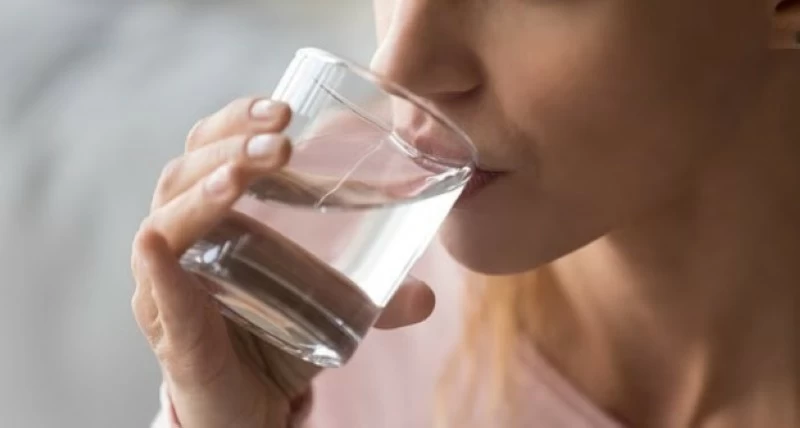
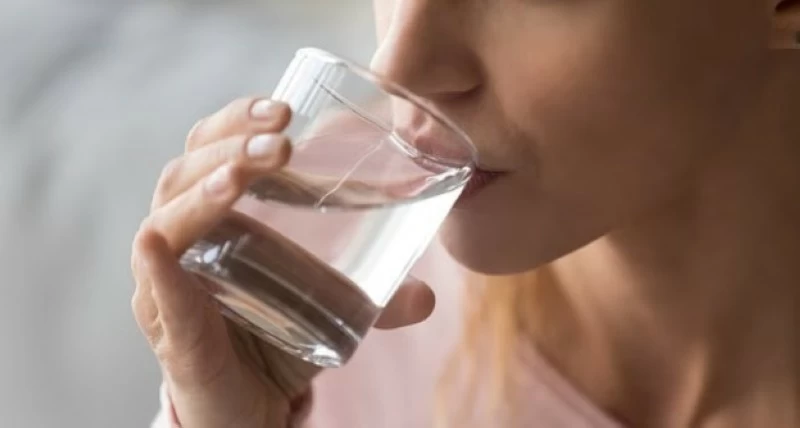
حذر خبراء الصحة من أن كثيراً من الأشخاص قد يعانون من الجفاف دون أن يدركوا ذلك، حتى لو كانوا يعتقدون أنهم يشربون كمية كافية من الماء يومياً.
ويحدث الجفاف عندما يفقد الجسم سوائل أكثر مما يحصل عليه، سواء عبر التعرق أو التبول أو حتى من خلال التنفس والوظائف الحيوية الطبيعية، ونظراً لأن جسم الإنسان يتكون من نحو 70% من الماء، فإن نقص السوائل يمكن أن يسبب مشكلات صحية خطيرة، وقد يكون مميتاً إذا استمر لفترة طويلة دون علاج.
وتشير تقديرات إلى أن نسبة كبيرة من السكان في المملكة المتحدة لا تشرب الكمية الكافية من الماء يومياً، إذ تذكر بعض المصادر أن أكثر من نصف البريطانيين قد يعانون من نقص الترطيب.
الكمية الموصى بها من الماء
توصي هيئة الخدمات الصحية الوطنية في بريطانيا بشرب ما بين لترين إلى لترين ونصف من السوائل يومياً للبالغين، ولا تقتصر هذه الكمية على الماء فقط، بل تشمل أيضاً المشروبات مثل العصائر والحليب والشاي والقهوة.
ويؤكد البروفيسور جون يونغ من جامعة تيسايد أنه لا يوجد رقم سحري، فالكمية تختلف حسب الطقس، النشاط البدني، والعمر، ففي الشتاء أو أثناء الجلوس في المكتب، قد يكفي أقل من لتر، بينما يحتاج الرياضيون أو العاملون في الخارج في الصيف إلى لترات إضافية، أما الرياضيون الذين يمارسون التمارين لأكثر من ساعة إلى ساعة ونصف، فيُنصحون بإضافة منتجات إلكتروليت (بوتاسيوم، صوديوم، مغنيسيوم، كالسيوم) بعد التمرين لتعويض الفاقد عبر العرق.
كما يمكن لبعض الفواكه والخضراوات أن تسهم في تزويد الجسم بالماء. وتوضح خبيرة التغذية جينا هوب أن الخيار يعد من أكثر الأطعمة احتواءً على الماء، إلى جانب الطماطم والكرفس، أما من الفواكه، فتحتوي البطيخ والشمام والأناناس على نسب مرتفعة من الماء، رغم أنها غنية بالسكريات أيضاً.
ورغم توفر العديد من الطرق للحفاظ على مستوى جيد من الترطيب، فإن ملايين الأشخاص لا يحققون الكمية الموصى بها، ما يزيد من خطر الإصابة بمشكلات صحية تتراوح بين الإمساك وصولاً إلى مضاعفات خطيرة مثل الغيبوبة.
علاقة الجفاف بالتوتر والأمراض
دراسات حديثة تشير إلى أن نقص شرب الماء قد يزيد من استجابة الجسم لهرمون التوتر المعروف باسم الكورتيزول، فقد وجدت دراسة أجرتها جامعة ليفربول جون مورز أن الأشخاص الذين يشربون أقل من 1.5 لتر من السوائل يومياً تظهر لديهم استجابة أعلى بنسبة تزيد على 50% لهرمون التوتر مقارنة بمن يلتزمون بالكميات الموصى بها.
وترتبط المستويات المرتفعة من الكورتيزول بزيادة خطر الإصابة بأمراض القلب ومشكلات الكلى واضطرابات المزاج والسكري على المدى الطويل.
كيف يستخدم الجسم الماء؟
ويلعب الماء دوراً أساسياً في معظم وظائف الجسم الحيوية، إذ يساعد على نقل المعادن والمغذيات والأكسجين إلى الخلايا، كما يشارك في العمليات الأيضية المختلفة.
كما يساعد الماء على تنظيم ضغط الدم، وإزالة الفضلات عبر الكلى والبول، وتنظيم درجة حرارة الجسم من خلال التعرق، إضافة إلى ذلك، يعمل الماء كوسادة حماية للأعضاء الداخلية ويسهم في تليين المفاصل والأنسجة، فضلاً عن دوره في الحفاظ على توازن الأملاح داخل الخلايا وخارجها.
مخاطر الجفاف
يفقد الإنسان عادة ما بين لترين وثلاثة لترات من الماء يومياً عبر التنفس والتعرق والتبول، وإذا لم يتم تعويض هذه الكمية فقد يبدأ الجسم في الدخول في حالة جفاف.
حتى الجفاف البسيط قد يؤثر في أداء الدماغ والجسم، فعندما تنخفض مستويات السوائل، يرسل الدماغ إشارات هرمونية لتوجيه الماء نحو الأعضاء الحيوية مثل الدماغ والقلب والكبد، على حساب الجلد والعضلات والمفاصل.
كما قد يزيد الجفاف من خطر الإصابة بعدوى المسالك البولية، لأن انخفاض كمية البول يسمح للبكتيريا بالنمو داخل المثانة.
ويكون كبار السن أكثر عرضة للجفاف ومضاعفاته، بما في ذلك الالتهابات التي قد تهدد الحياة.
علامات الجفاف
أبرز أعراض الجفاف هو الشعور بالعطش، لكن هناك مؤشرات أخرى يمكن ملاحظتها، مثل: قلة التبول مقارنة بالمعتاد، تغير لون البول إلى الأصفر الداكن وازدياد رائحته، الشعور بالتعب أو الدوار، جفاف الفم والشفاه، غؤور العينين.
وفي بعض الحالات، قد يخلط الجسم بين العطش والشعور بالجوع، ما يدفع الأشخاص إلى تناول الطعام بدلاً من شرب الماء.
هل يمكن شرب كمية زائدة من الماء؟
ورغم أهمية الماء للجسم، فإن الإفراط في شربه قد يكون خطيراً أيضاً. فحالة ما يعرف بتسمم الماء أو انخفاض الصوديوم في الدم قد تحدث عند شرب كميات كبيرة جداً من الماء خلال فترة قصيرة.
وتؤدي هذه الحالة إلى تخفيف تركيز الأملاح في الدم، ما قد يسبب تورم خلايا الجسم، خصوصاً خلايا الدماغ، وقد يؤدي في الحالات الشديدة إلى نوبات تشنج أو الوفاة.
أي نوع من الماء هو الأفضل؟
يؤكد الخبراء أن مياه الصنبور والمياه المعدنية والمياه الغازية يمكنها جميعاً ترطيب الجسم بشكل متشابه، لكن المياه الغازية قد تسبب الانتفاخ لدى بعض الأشخاص، خاصة المصابين بمتلازمة القولون العصبي.
أما المياه المعدنية فتختلف في طعمها باختلاف مصدرها وتركيز المعادن فيها مثل المغنيسيوم والبوتاسيوم والكالسيوم.
وبالنسبة لمياه الصنبور، فهي آمنة للشرب في معظم الحالات، إلا أن بعض الخبراء ينصحون باستخدام مرشحات المياه المنزلية للتقليل من احتمالية وجود شوائب مثل المعادن الثقيلة أو الجزيئات البلاستيكية الدقيقة.
Health experts warn that many people may suffer from dehydration without realizing it, even if they believe they are drinking enough water daily.
Dehydration occurs when the body loses more fluids than it takes in, whether through sweating, urination, or even through breathing and normal bodily functions. Since the human body is composed of about 70% water, a lack of fluids can lead to serious health problems and can be fatal if it persists for a long time without treatment.
Estimates suggest that a large percentage of the population in the United Kingdom does not drink enough water daily, with some sources stating that more than half of Britons may suffer from dehydration.
The Recommended Amount of Water
The National Health Service in the UK recommends drinking between two to two and a half liters of fluids daily for adults. This amount is not limited to water alone but also includes beverages such as juices, milk, tea, and coffee.
Professor John Young from Teesside University emphasizes that there is no magic number; the amount varies depending on the weather, physical activity, and age. In winter or while sitting in an office, less than a liter may suffice, while athletes or outdoor workers in summer may need additional liters. Athletes who exercise for more than an hour to an hour and a half are advised to add electrolyte products (potassium, sodium, magnesium, calcium) after exercise to compensate for the loss through sweat.
Some fruits and vegetables can also contribute to the body’s hydration. Nutrition expert Gina Hope explains that cucumber is one of the most water-rich foods, along with tomatoes and celery. Among fruits, watermelon, cantaloupe, and pineapple have high water content, although they are also rich in sugars.
Despite the many ways to maintain a good level of hydration, millions of people do not achieve the recommended amount, increasing the risk of health problems ranging from constipation to serious complications such as coma.
The Relationship Between Dehydration, Stress, and Diseases
Recent studies indicate that a lack of water intake may increase the body’s response to the stress hormone known as cortisol. A study conducted by Liverpool John Moores University found that individuals who drink less than 1.5 liters of fluids daily show more than a 50% higher response to the stress hormone compared to those who adhere to the recommended amounts.
Elevated cortisol levels are associated with an increased risk of heart disease, kidney problems, mood disorders, and long-term diabetes.
How the Body Uses Water
Water plays a crucial role in most of the body’s vital functions, as it helps transport minerals, nutrients, and oxygen to cells and participates in various metabolic processes.
Water also helps regulate blood pressure, remove waste through the kidneys and urine, and regulate body temperature through sweating. Additionally, water acts as a protective cushion for internal organs and contributes to lubricating joints and tissues, as well as maintaining salt balance inside and outside cells.
Risks of Dehydration
On average, a person loses between two to three liters of water daily through breathing, sweating, and urination. If this amount is not compensated for, the body may begin to enter a state of dehydration.
Even mild dehydration can affect brain and body performance. When fluid levels drop, the brain sends hormonal signals to direct water toward vital organs such as the brain, heart, and liver, at the expense of the skin, muscles, and joints.
Dehydration may also increase the risk of urinary tract infections, as reduced urine output allows bacteria to grow inside the bladder.
Older adults are more susceptible to dehydration and its complications, including infections that may threaten life.
Signs of Dehydration
The most prominent symptom of dehydration is thirst, but there are other indicators that can be observed, such as: decreased urination compared to usual, dark yellow urine with an increased odor, feelings of fatigue or dizziness, dry mouth and lips, and sunken eyes.
In some cases, the body may confuse thirst with hunger, leading individuals to eat instead of drinking water.
Can You Drink Too Much Water?
Despite the importance of water for the body, excessive drinking can also be dangerous. A condition known as water intoxication or hyponatremia can occur when consuming very large amounts of water in a short period.
This condition leads to a dilution of salts in the blood, which can cause swelling of body cells, especially brain cells, and may lead to severe cases of seizures or death.
What Type of Water is Best?
Experts confirm that tap water, mineral water, and sparkling water can all hydrate the body similarly, but sparkling water may cause bloating in some individuals, especially those with irritable bowel syndrome.
Mineral water varies in taste depending on its source and the concentration of minerals such as magnesium, potassium, and calcium.
As for tap water, it is safe to drink in most cases, although some experts recommend using home water filters to reduce the likelihood of contaminants such as heavy metals or microplastic particles.