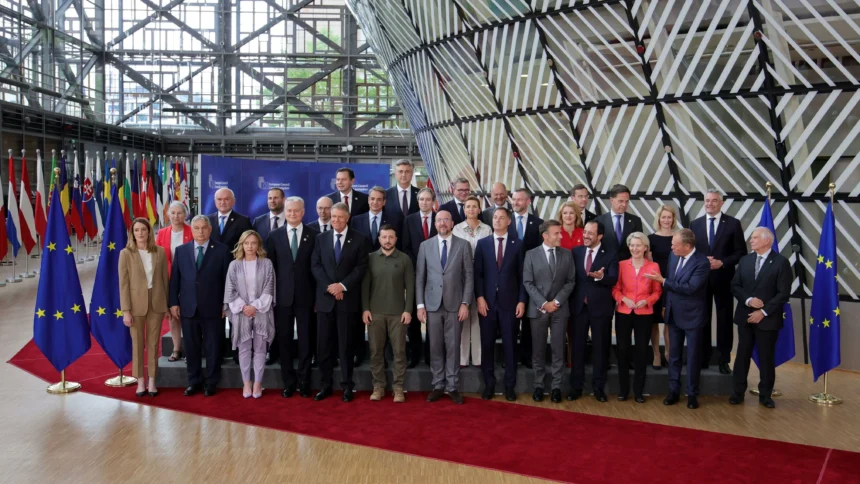
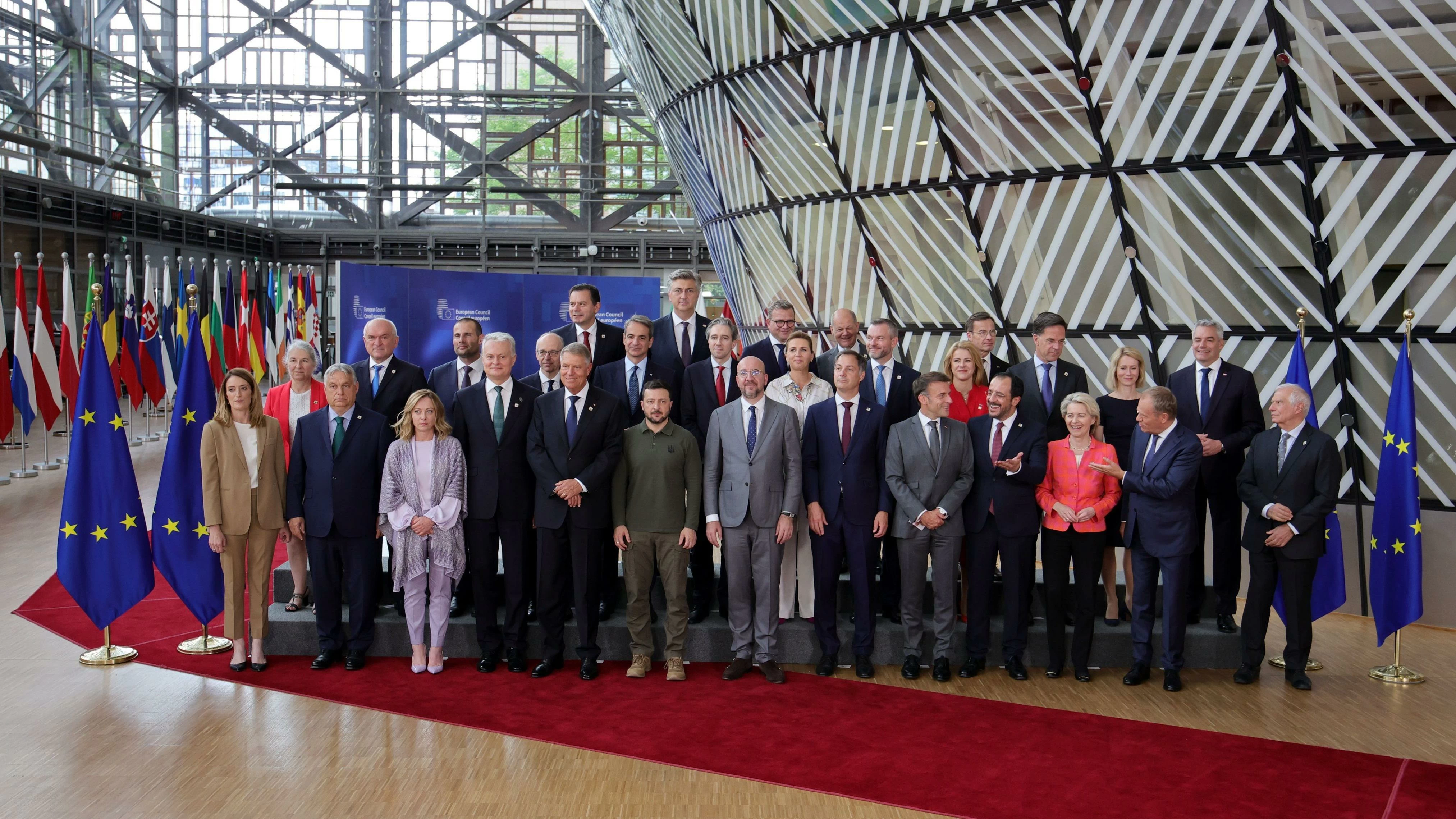
يعقد قادة الاتحاد الأوروبي قمة في بروكسل، اليوم (الخميس)، لمناقشة تداعيات حرب إيران وأسعار الطاقة، وقضايا الهجرة، وملف القرض الضخم المخصص لأوكرانيا والذي لا يزال متعثراً بسبب اعتراض المجر عليه، بحسب ما أوردت وكالة «أسوشيتد برس».
الشرق الأوسط يتصدر أجندة البحث
ودفع ارتفاع أسعار الطاقة الناجم عن حرب إيران، إلى جانب المخاوف من اندلاع أزمة لاجئين جديدة، القادة الأوروبيين إلى وضع منطقة الشرق الأوسط ضمن أبرز أولويات قمة بروكسل.
وطرحت المفوضية الأوروبية الذراع التنفيذية للاتحاد الأوروبي، فكرة تقديم «حزمة أدوات» تتضمن مجموعة من التدابير الرامية لخفض أسعار الطاقة، على أن تكون محل نقاش بين القادة.
ويستند هذا الطرح إلى قناعة مفادها بأنه لا توجد سياسة واحدة قادرة بمفردها على معالجة أوضاع الأسواق المتباينة داخل التكتل المؤلف من 27 دولة أو التخفيف من آثار الصدمات الاقتصادية الناجمة عن الحرب، وفقاً لما أفاد به دبلوماسي أوروبي رفيع لـصحيفة «الغارديان».
وتركز القمة على المواجهة المحتدمة منذ فترة طويلة بين رئيس الوزراء المجري فيكتور أوربان ومعظم الدول الأعضاء الأخرى في الاتحاد الأوروبي.
قرض بقيمة 104 مليارات دولار
وعُقدت القمة الأوروبية السابقة في ديسمبر الماضي داخل إحدى القلاع البلجيكية، حيث اتفق القادة، بمن فيهم أوربان، على تقديم قرض لأوكرانيا بقيمة 104 مليارات دولار لمساعدتها في تجاوز العجز في ميزانيتها، بينما تخوض حرباً طاحنة ضد روسيا، إلا أن أوربان تراجع عن موقفه بعد شهر واحد عقب تعطل خط أنابيب النفط «دروجبا» في يناير الماضي، إثر هجوم بطائرات مسيرة روسية، وفقاً لما صرح به مسؤولون أوكرانيون.
ويخوض الزعيم المجري الموالي لروسيا، الذي يتولى رئاسة الحكومة في بلاده منذ عام 2010، حملة إعلامية شرسة لتصوير كل من بروكسل وكييف في صورة «الخصم» أو «الشرير»، في خضم سعيه لإعادة انتخابه في الشهر القادم.
محاولة لتأمين القرض
وفي محاولة لتأمين القرض لأوكرانيا، يكثّف قادة الاتحاد الأوروبي ودبلوماسيوه ضغوطهم على كلٍّ من أوربان ورئيس الوزراء السلوفاكي روبرت فيكو، اللذين تبنّت حكومتا بلديهما مواقف تميل إلى روسيا.
وعرضت رئيسة المفوضية الأوروبية أورسولا فون دير لاين، الثلاثاء أن يتكفل الاتحاد الأوروبي بتكاليف إصلاح خط أنابيب «دروجبا»، فضلاً عن تطوير خطوط بديلة لإمدادات الوقود لصالح كل من المجر وسلوفاكيا.
من جانبه، قال الرئيس الأوكراني فولوديمير زيلينسكي، إن أي عرقلة للحصول على القرض تُعد أمراً «غير عادل على الإطلاق»، وإنه «لا بديل» أمام بلاده التي تواجه محنة عصيبة سوى تلك الأموال، في ظل معاناتها من أزمة موازنة حادة ناجمة عن الحرب التي اندلعت في 24 فبراير 2022.
وأضاف: «قد توجد بدائل فيما يتعلق بآليات التمويل، ولكن ببساطة لا يوجد أي بديل لتعزيز جيشنا».
وأبلغ المستشار الألماني فريدريش ميرتس المشرعين في برلين، الأربعاء، أنه يتعين على الاتحاد الأوروبي التوصل سريعاً إلى اتفاق بشأن الحزمة الـ20 من العقوبات المفروضة على روسيا، وكذلك بشأن قرض أوكرانيا.
EU leaders are holding a summit in Brussels today (Thursday) to discuss the implications of the Iran war, energy prices, migration issues, and the massive loan package for Ukraine, which is still stalled due to Hungary’s objections, according to the Associated Press.
The Middle East tops the agenda
The rise in energy prices caused by the Iran war, along with fears of a new refugee crisis, has prompted European leaders to prioritize the Middle East at the Brussels summit.
The European Commission, the executive arm of the EU, has proposed a “toolkit” that includes a range of measures aimed at reducing energy prices, which will be discussed among the leaders.
This proposal is based on the conviction that there is no single policy capable of addressing the diverse market conditions within the 27-member bloc or mitigating the economic shocks caused by the war, according to a senior European diplomat who spoke to The Guardian.
The summit will focus on the long-standing confrontation between Hungarian Prime Minister Viktor Orbán and most other EU member states.
A $104 billion loan
The previous European summit was held last December in a Belgian castle, where leaders, including Orbán, agreed to provide a $104 billion loan to Ukraine to help it overcome its budget deficit while it is engaged in a fierce war against Russia. However, Orbán reversed his position a month later after the “Druzhba” oil pipeline was disrupted in January due to a Russian drone attack, according to Ukrainian officials.
The pro-Russian Hungarian leader, who has been in power since 2010, is waging a fierce media campaign to portray both Brussels and Kyiv as the “opponent” or “villain” in his bid for re-election next month.
Efforts to secure the loan
In an effort to secure the loan for Ukraine, EU leaders and diplomats are intensifying pressure on both Orbán and Slovak Prime Minister Robert Fico, whose governments have adopted pro-Russian stances.
European Commission President Ursula von der Leyen proposed on Tuesday that the EU cover the costs of repairing the “Druzhba” pipeline, as well as developing alternative fuel supply lines for both Hungary and Slovakia.
For his part, Ukrainian President Volodymyr Zelensky stated that any obstruction to obtaining the loan is “completely unfair,” and that there is “no alternative” for his country, which is facing a severe budget crisis due to the war that erupted on February 24, 2022, except for that funding.
He added, “There may be alternatives regarding financing mechanisms, but simply there is no alternative to strengthening our army.”
German Chancellor Friedrich Merz informed lawmakers in Berlin on Wednesday that the EU must quickly reach an agreement on the 20th package of sanctions imposed on Russia, as well as on the loan for Ukraine.