يتسع الفارق بشكل متزايد بين أسعار العقود الآجلة للنفط والإمدادات التي تحدد التكاليف الفعلية التي يتكبدها المستهلكون في العالم الحقيقي، وذلك بعد مرور 3 أسابيع من اندلاع حرب إيران.
وقفز سعر خام برنت المرجعي العالمي بأكثر من 50% ليصل إلى نحو 112 دولاراً للبرميل، وسط اختناق الإمدادات في ظل الإغلاق شبه الكامل لمضيق هرمز والهجمات على منشآت الطاقة في الشرق الأوسط، لكن تكلفة كل برميل مادي ترتفع بوتيرة أكبر، إذ يدفع شح الإمدادات أسعار المنتجات التي يستخدمها المستهلكون فعلياً، مثل البنزين والديزل ووقود الطائرات، إلى الارتفاع.
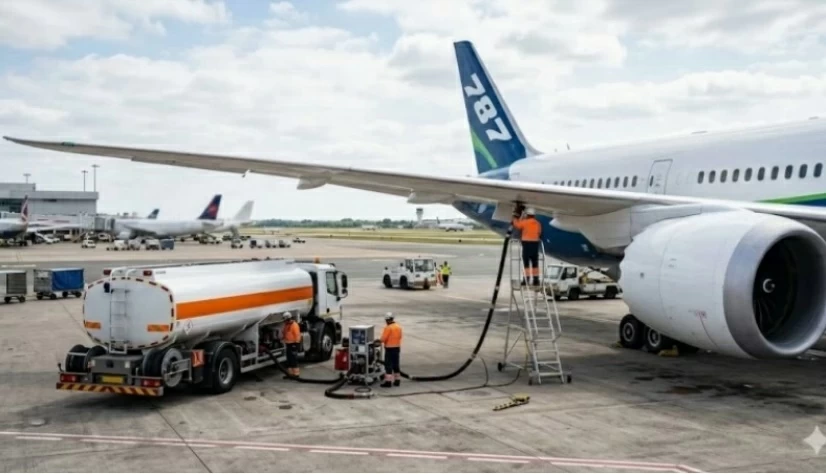
ومع تجاوز أسعار وقود الطائرات 200 دولار للبرميل، تقول شركات طيران أوروبية كبرى إن الركاب سيتحملون التكاليف الإضافية، وفق ما ذكرت مواقع إخبارية.
اضطراب الإمدادات
وذكرت مؤسستا «غولدمان ساكس»، و«سيتي غروب»، هذا الأسبوع، أنه في حال استمرار الصراع، قد تصل أسعار العقود الآجلة إلى مستويات قياسية خلال الأسابيع القادمة، متجاوزة مستوى 147.50 دولار الذي سُجل في 2008. ومن غير المعتاد أن تبقى الأسعار الفعلية والعقود الآجلة متباعدة لفترات طويلة.
وتأتي هذه التوقعات في ظل ما وصفته وكالة الطاقة الدولية بأنه أكبر اضطراب في إمدادات النفط على الإطلاق. وقدّرت «غولدمان» أن نحو 17 مليون برميل يومياً من تدفقات النفط عبر الخليج العربي تتأثر بالصراع.
صدمة عرض
وقال رئيس إستراتيجيات مسارات الطاقة في إحدى الشركات المتخصصة جيف كوري: «إذا نظرت إلى الأسواق الورقية، فقد انفصلت تماماً عن الأسواق الفعلية». وأضاف: «نحن نتعامل مع صدمة عرض هائلة».
وأضاف الرئيس التنفيذي لإحدى شركات النقل في أوروبا بافل كفيتن: «تحركات أسواق الطاقة تنتقل إلى تكاليفنا بشكل شبه فوري». وأفاد أن الوقود يشكل نحو 30% من تكاليف النقل لدى الشركة.
وأفادت المحللة هليما كروفت في مذكرة: «لا نرى انفراجاً يُذكر في أزمة الطاقة المتفاقمة مع تعرض المزيد من منشآت الطاقة للهجمات». وأضافت: «أمضى مسؤولون في الإدارة ساعات طويلة في محاولة إقناع المشاركين في السوق بأن الاضطراب سيكون قصير الأمد مع قرب انتهاء الحرب، لكن لا شيء يشير إلى أن الاشتباك سيكون محدوداً في هذه المرحلة».
The gap is increasingly widening between the prices of oil futures and the supplies that determine the actual costs incurred by consumers in the real world, following three weeks since the outbreak of the Iran war.
The price of Brent crude, the global benchmark, surged by more than 50% to around $112 per barrel, amid supply constraints due to the near-total closure of the Strait of Hormuz and attacks on energy facilities in the Middle East. However, the cost of each physical barrel is rising at an even faster pace, as the scarcity of supplies drives up the prices of products that consumers actually use, such as gasoline, diesel, and jet fuel.
With jet fuel prices exceeding $200 per barrel, major European airlines are saying that passengers will bear the additional costs, according to news reports.
Supply Disruption
Goldman Sachs and Citigroup reported this week that if the conflict continues, futures prices could reach record levels in the coming weeks, surpassing the $147.50 level recorded in 2008. It is unusual for actual prices and futures to remain divergent for extended periods.
These forecasts come amid what the International Energy Agency described as the largest disruption in oil supplies ever. Goldman estimated that about 17 million barrels per day of oil flows through the Arabian Gulf are affected by the conflict.
Supply Shock
Jeff Currie, head of energy path strategies at a specialized firm, said: “If you look at the paper markets, they have completely decoupled from the physical markets.” He added: “We are dealing with a massive supply shock.”
Pavel Kvetin, CEO of a transportation company in Europe, stated: “Energy market movements are almost instantly reflected in our costs.” He noted that fuel accounts for about 30% of the company’s transportation costs.
Analyst Helima Croft noted in a memo: “We do not see any significant relief in the escalating energy crisis as more energy facilities come under attack.” She added: “Officials in the administration have spent long hours trying to convince market participants that the disruption will be short-lived as the war comes to an end, but nothing indicates that the conflict will be limited at this stage.”