
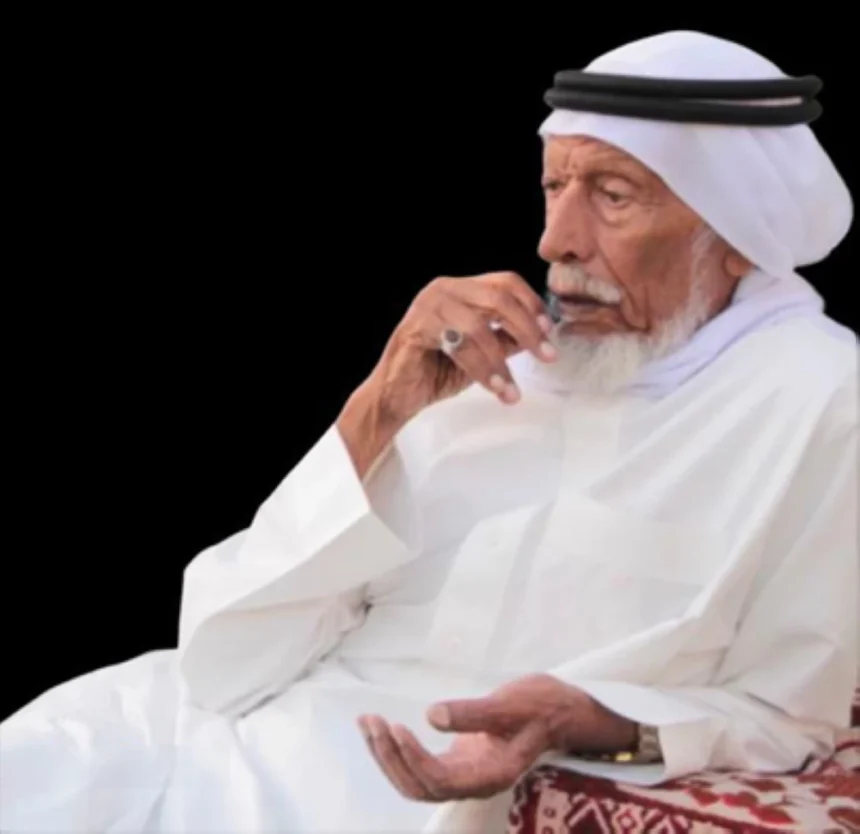
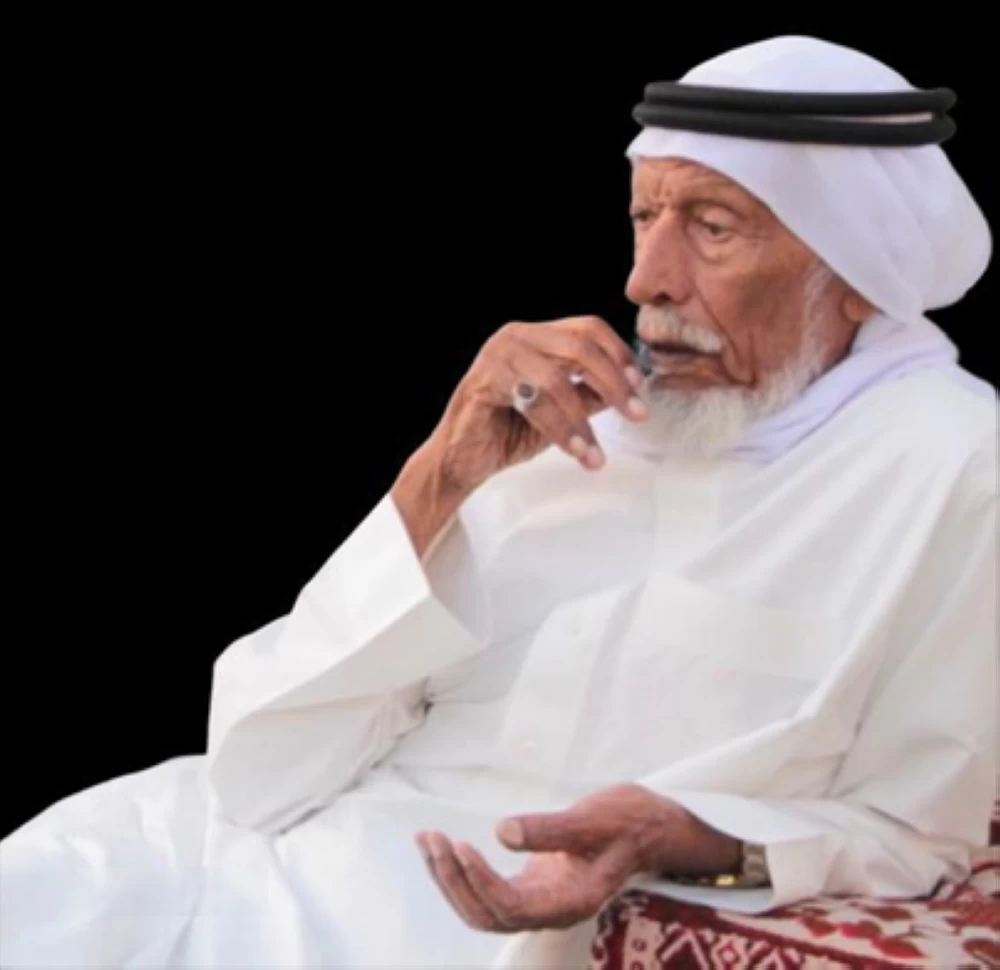
تُعد قصيدة«السبيتار» للشاعر العلم الراحل عويضة بن حمزان،التي مضى عليها أكثر من 70 عاماً، واحدة من النصوص النادرة التي جمعت بين صدق التجربة الإنسانية ووهج اللغة الأصيلة، فالقصيدة لا تُقرأ بوصفها نصًا شعريًا فحسب، بل بوصفها سيرة وجدانية، يتقاطع فيها ألم الجسد مع حنين الروح، وتتشكل فيها المعاناة على هيئة صور نابضة بالحياة.
المرض بوصفه لحظة كشف
كتب الشاعر نصه في مدينة الطائف من داخل المستشفى أو “السبيتار” كما كان يُسمى في ذلك الوقت، والذي لم يكن الشاعر ينظر له باعتباره مكانًا للعلاج، بل بوصفه فضاءً للعزلة والانفصال عن العالم. ومنذ الاستهلال، تتبدى هذه الحالة القلقة:
البارحة أمسيت ليلي بالسهر قالي هوجست ثم انتوى قلبي بمضنونه
السهر هنا ليس عرضًا عابرًا، بل صوت داخلي يوقظ الوجع، ويقيس المسافة من الطائف إلى نجران «مسقط رأس الشاعر»، ويفتح باب “الهوجاس”؛ أي التأمل العميق الذي يستدعي الحبيب ويستحضر الغائب:
مضنون عيني غدى من دونه جبالي يا خوفتي من هل العدة يضدونه وانا بعيدٍ ولا تنتاشه حبالي والبدو ما عادهم للخط يقرونه مادمت فوق السرير فضيق بالي والقلب كنهم بحر الضو يكوونه
في هذه الأبيات، يتكثف ألم الفراق حتى يكاد يطغى على ألم المرض ذاته. فالشاعر لا يعاني من العلة الجسدية فقط، بل من انقطاع الوسيلة، وعجز الصوت عن الوصول، في زمن كانت فيه الرسائل نادرة، و”الخط” لا يُقرأ. إنها عزلة مزدوجة: عزلة المكان وعزلة التواصل.
السبيتار.. سجن الجسد وقلق الروح
تبلغ صورة الاختناق ذروتها في هذا البيت اللافت:
وسط السبيتار ما قلبي بمتشالي والباب من دوني العسكر يصكونه
هنا يتحول المستشفى إلى سجن حقيقي؛“العسكر” رمز للقيود، و”يصكونه” توكيد للإغلاق القسري، و“ما قلبي بمتشالي” تعبير عن عجز نفسي يوازي العجز الجسدي.إنها لوحة مكتملة للغربة، حيث يُحاصر الإنسان في جسده ومكانه.
وقبل أن نبتعد عن هذا البيت نتوقف قليلاً عند مفردة (السبيتار) التي وظفها الشاعر بشكل رائع ومؤثر في النص وتعني المستشفى وهذه الكلمة كانت شائعة في الجزيرة العربية، أصلها من كلمة (هوسبيتال) بمعنى مستشفى بالإنجليزية، مع تجاهل الهاء وقلب اللام راء، لكنها تلاشت بعد دخول مصطلحات المؤسسات الحديثة نحو مستشفى ومستوصف وعيادة، يقول الشاعر ناصر العبود الفايز من أهل نفي:
طالبك تغني عن دخول (السبيتار) العافية عندك، ولا عند راعيه
وبنفس ألم الشاعر الفايز يواصل الشاعر عويضه بن حمزان قصيدته التي يبلغ فيها التوتر الداخلي ذروته، ويتحوّل الشاعر من راوٍ للمعاناة إلى كاشفٍ عن صراع الإرادة والوجدان.
ان جيت أبظهر فلا المظهار بشلالي وان جيت أبجلس فقلبي كثرت شجونه اللي ضرب في الهوى ما هو بمتشالي واللي قعد عندهم قدهم يشوقونه
في البيت الأول يكشف عن تعاظم الحيرة والتردد داخل الشاعر بين مغادرة المستشفى قبل أن يتشافى من المرض وبين الجلوس الذي يكتوي فيه بنار الأشواق والهوى وهما خياران أحلاهما مر.
صدمة الإنسان البدوي أمام الطب الحديث
يصف الشاعر تجربته العلاجية بجرأة نادرة:
اللي ضرب في الهوى ما هو بمتشالي واللي قعد عندهم قدهم يشوقونه
هذه الصورة تكشف عن صدمة الإنسان البدوي أمام الطب الحديث آنذاك؛فالجسد الذي كان رمز القوة والحرية أصبح موضوعًا للتشريح، والإنسان الذي اعتاد الصحراء صار محاطًا بالأطباء، ومع ذلك، لا يفقد الشاعر إيمانه:
يالله أنا طالبك يا ربنا العالي تعطي دواء ً ان التخاتر ما يسوونه
في هذا البيت تتجلى فلسفة بدوية عميقة تؤكد بأن الطب سبب، لكن الشفاء بيد الله.
الحنين إلى مسقط رأسه
ينتقل الشاعر من ألم المرض إلى حلم الشفاء، لا لذاته فقط، بل للعودة إلى «مرابع الصبا»،والشفاء هنا ليس مجرد زوال المرض، بل استعادة الحياة الاجتماعية، والعودة إلى نجران مسقط رأسه ومضارب قبيلته آل منصور يام:
اروح بين الرفاقة كل عيالي كل أبلجٍ في نهار الهوش يطرونه اسلاحهم للعدو بارود واسلالي وعدوهم في الملاقى تسهر عيونه اليا ضربنا بهم في وادي سالي صبة لغامير شاقوا كل مزيونه يالله طلبناك ليلٍ يشعل اشعالي ينشي على دارنا ويهل بمزونه ترعاه سحم العرابا كل مشوالي وترعاه حسك الوبر وتقطف غصونه البدو قادوا السلف واستجنب التالي وكم مرتعٍ خالي للبدو يرعونه
من عتمة الغربة إلى فضاء القبيلة
في هذا المقطع ينتقل الشاعر من ضيق “السبيتار” إلى سعة الذاكرة، ومن عتمة الغرفة إلى فضاء القبيلة، كأن الشوق هنا لا يكتفي بالحنين، بل يعيد تشكيل العالم على هيئة حلم مكتمل. إنها ليست مجرد استعادة لأشخاص، بل استعادة لمنظومة حياة، قوامها الرفقة، والفروسية، والكرم.
اروح بين الرفاقة كل عيّالي كل أبلجٍ في نهار الهوش يطرونه
يبدأ الشاعر بالفعل “أروح”، وهو فعل دال على حركة متخيلة لا واقعية، ما يؤكد أننا أمام رحلة وجدانية لا جسدية. والرفاقة هنا ليسوا مجرد أصحاب، بل “عيّالي”؛ أي شجعان وهذا ما يمنح الشاعر الاحساس بالفخر والاكتمال.
أما قوله “كل أبلج” فهو وصف للفارس الواضح الشجاع، الذي يُذكر في “نهار الهوش”؛ أي في لحظات الصدام، لا في أوقات السلم. وكأن الشاعر يقول: إنهم رجال تُصنع أسماؤهم في المواجهة، لا في الظل.
ثم يتصاعد الوصف:
اسلاحهم للعدو بارود واسلالي وعدوهم في الملاقى تسهر عيونه
اللافت هنا أن البطولة ليست فردية، بل جماعية؛ السلاح واحد، والموقف واحد، والهيبة واحدة.
و”تسهر عيونه” صورة بليغة، تجعل العدو في حالة قلق دائم، وكأن حضورهم وحده كافٍ لإرباك الخصم.
اليا ضربنا بهم في وادي سالي صبة لغامير شاقوا كل مزيونه
هنا يتحول الشوق إلى مشهد بصري كامل:“وادي سالي” مكان محدد، يمنح الصورة واقعية، و“شاقوا كل مزيونه” تعبير عن القبول المستند إلى الفعل أكثر من الشكل. وفي هذه الصور المتلاحقة يثبت الشاعر أن أبياته ليست مجرد ذكريات، بل لوحات حربية نابضة بالحركة.
الطبيعة رسول الأشواق
ثم ينعطف الشاعر إلى نبرة روحانية مبتهلا إلى ربه:
يالله طلبناك ليل يشعل اشعالي ينشي على دارنا ويهل بمزونه
الدعاء هنا ليس طلبًا مجردًا، بل رغبة في أن تتحول الطبيعة نفسها إلى رسول،فالليل يحمل الأشواق والمطر يروي المشاعر المتعطشة.
وكأن الشاعر يعجز عن الوصول، فيستعين بالعناصر الكونية لتقوم مقامه.
ترعاه سحم العرابا كل مشوالي وترعاه حسك الوبر وتقطف غصونه
هذه الأبيات تكشف عن انسجام عميق بين الإنسان والمكان؛ الإبل “سحم العرابا”، وحسك الوبر، والغصون، كلها عناصر حية في هذا العالم، لا مجرد خلفية صامتة.
البادية.. فلسفة البقاء والنقاء
ثم يأتي البيت اللافت:
البدو قادوا السلف واستجنب التالي وكم مرتعٍ خالي ٍ للبدو يرعونه
هنا يتجاوز الشاعر الوصف إلى التأمل الذي يحمل بعدًا ثقافيًا؛ فهو يمدح التمسك بالإرث، ويرى في البادية نقاءً واستمرارية، في مقابل عالم “السبيتار” الغريب.
ويخفّف الشاعر من حدّة نبرة الفخر السابقة منتقلاً بسلاسة إلى مستوى آخر من التصوير؛ مستوى الحياة اليومية في صفائها الأول، حيث لا بطولات صاخبة، بل بطولة العيش البسيط التي تتجلى في الصيد، والاجتماع، وتقاسم اللقمة:
لي راح قناصهم ثم شرّف العالي يضوّي التيس لامن طالت قرونه حضّوا عليه الجماعه يابري حالي شي طبيخٍ وشي بالضو يشونه واليا وردنا على مطوية الجالي والتكوا البدو عند المال يسقونه
وينعطف الشاعر من مشاهد الفروسية والحياة الجماعية إلى منطقة أكثر رهافة، حيث الغزل بوصفه استراحة الروح، وكأن القلب—المثقل بالمرض والحنين—يبحث عن نافذة جمال يخفف بها وطأة الوجع:
منهم شبيه المها في عينه اكحالي كنها غزالٍ ولا القناص يرمونه ياسعد غض النهد ما فيه سلالي ولا جلس مثلنا بالمنج يسقونه ابو عيون من السلهام ذبّالي ياشيب عيني لامنّه لد بعيونه
الخاتمة.. انتصار الحنين
في خاتمة القصيدة، يعود الشاعر إلى منبعه الأول: الشوق الخالص، بعد أن طاف بنا بين المرض، والفخر، والغزل، والحياة اليومية. كأن كل تلك المقاطع كانت تمهيدًا لهذه اللحظة المكثفة، حيث يتجرد الصوت الشعري من كل الزوائد، ويقف أمام حقيقة واحدة: الحنين الذي لا يُحتمل
العين من بعدهم تذري بهمالي وجدي لعينٍ على البدوان مشحونه خطوى طموحٍ تتل القلب بحبالي من جر حبل الهوا بيجوّد سعونه القلب عيا يطاوع كل عذالي والقلب ما هو يطيع اللي يعذلونه
هذه القصيدة ليست نصًا عن المرض فحسب، بل هي وثيقة إنسانية عن العزلة والحنين ومرآة لثقافة بدوية أصيلة وسردية شعرية تمزج بين الألم والجمال لتعكس جانباً مهما في شخصية شاعرها الذي تتجلى فيه صفات الشهامة والوفاء والنخوة بحسب مفاتيح النص، فضلا عن الحس المرهف والتلقائية التي فتحت للشاعر بابا للقبول ومحبة الناس.
وقد نجح عويضة بن حمزان في تحويل تجربة شخصية قاسية إلى عمل شعري نابض، تتجاور فيه: قسوة السبيتار وسعة نجران، ويقترن فيه ضعف الجسد بقوة الانتماء، ليخرج لنا نصًا يثبت أن الشعر، حين يُكتب من قلب التجربة، يصبح خريطة خالدة للإبداع.
The poem “Al-Sbeitaar” by the late poet Al-Awaidah bin Hamzan, which is over 70 years old, is one of the rare texts that combines the authenticity of human experience with the brilliance of original language. The poem is not only read as a poetic text but also as an emotional biography, where the pain of the body intersects with the longing of the soul, and suffering takes shape in vivid images.
Illness as a Moment of Revelation
The poet wrote his text in the city of Taif from within the hospital, or “Al-Sbeitaar” as it was called at that time, which the poet did not view as a place for treatment, but rather as a space for isolation and separation from the world. From the very beginning, this anxious state becomes apparent:
Last night I spent my night awake, my heart was troubled and then it intended its pain
The sleeplessness here is not a fleeting condition, but an internal voice that awakens the pain, measures the distance from Taif to Najran “the poet’s birthplace,” and opens the door to “Al-Hawgas”; that is, deep contemplation that calls upon the beloved and evokes the absent:
My eyes are troubled, and without him, my mountains are gone; oh, how I fear the people of the promise will oppose me, and I am far away, and my ropes do not reach him, and the Bedouins no longer read the letter. As long as I am on the bed, my mind is tight, and my heart is like a sea of light.
In these verses, the pain of separation intensifies to the point that it almost overshadows the pain of illness itself. The poet suffers not only from physical ailment but also from the interruption of communication, the inability of the voice to reach, in a time when letters were rare, and the “letter” was unread. It is a double isolation: the isolation of place and the isolation of communication.
Al-Sbeitaar.. The Prison of the Body and the Anxiety of the Soul
The image of suffocation reaches its peak in this striking line:
In the middle of the hospital, my heart is not at ease, and the soldiers are closing the door behind me.
Here, the hospital transforms into a real prison; “the soldiers” symbolize the chains, and “closing it” affirms forced closure, and “my heart is not at ease” expresses a psychological incapacity that parallels physical incapacity. It is a complete painting of alienation, where a person is trapped in their body and place.
Before we move away from this line, let us pause a moment at the term (Al-Sbeitaar) which the poet employed beautifully and impactfully in the text, meaning the hospital. This word was common in the Arabian Peninsula, derived from the word (hospital) in English, with the “h” ignored and the “l” turned into “r,” but it faded after the introduction of modern institutional terms such as hospital, clinic, and medical center. The poet Nasser Al-Aboud Al-Faiz from the people of Nafi says:
I ask you to sing instead of entering (Al-Sbeitaar), health is with you, or with its owner.
With the same pain as poet Al-Faiz, poet Awaidah bin Hamzan continues his poem, where the internal tension reaches its peak, and the poet transforms from a narrator of suffering to a revealer of the struggle of will and emotion.
If I come to show, then the showing is not in my waterfall, and if I come to sit, my heart is full of sorrows. Those who struck in love are not at ease, and those who stayed with them are longing for them.
In the first line, he reveals the growing confusion and hesitation within the poet between leaving the hospital before recovering from the illness and staying, where he is burned by the fire of longing and love, both of which are options where the better is bitter.
The Shock of the Bedouin Man in the Face of Modern Medicine
The poet describes his therapeutic experience with rare boldness:
Those who struck in love are not at ease, and those who stayed with them are longing for them.
This image reveals the shock of the Bedouin man in the face of modern medicine at that time; the body, which was a symbol of strength and freedom, became a subject for dissection, and the man who was accustomed to the desert found himself surrounded by doctors. Nevertheless, the poet does not lose his faith:
Oh God, I ask you, O our exalted Lord, to give me a remedy, for the pain does not heal.
In this line, a profound Bedouin philosophy is revealed, affirming that medicine is a cause, but healing is in God’s hands.
Longing for His Birthplace
The poet transitions from the pain of illness to the dream of recovery, not just for himself, but to return to “the pastures of youth,” and healing here is not merely the disappearance of illness, but the restoration of social life, and the return to Najran, his birthplace, and the encampments of his tribe Al-Mansour Yam:
I go among my companions, all my children, every brave one in the day of confrontation, they carry their weapons against the enemy, and their eyes are awake in the meeting. When we struck them in Wadi Sali, a flood of glory overwhelmed every beautiful one. Oh God, we ask you for a night that ignites my fires, that walks to our home and brings rain. May it be cared for by the black camels of every shepherd, and may it be cared for by the thorns of the hair and the branches it bears. The Bedouins led the past and sought the next, and how many empty pastures the Bedouins graze.
From the Darkness of Alienation to the Space of the Tribe
In this section, the poet transitions from the narrowness of “Al-Sbeitaar” to the vastness of memory, from the darkness of the room to the space of the tribe, as if longing here does not suffice with nostalgia but reshapes the world into a complete dream. It is not merely a restoration of people, but a restoration of a system of life, based on companionship, horsemanship, and generosity.
I go among my companions, all my children, every brave one in the day of confrontation, they carry their weapons against the enemy.
The poet begins with the verb “I go,” which indicates an imagined movement rather than a physical one, confirming that we are in the presence of an emotional journey rather than a physical one. The companions here are not just friends, but “my children”; that is, the brave ones, which gives the poet a sense of pride and completeness.
As for his saying “every brave one,” it describes the clear and courageous knight, who is mentioned in “the day of confrontation”; that is, in moments of conflict, not in times of peace. As if the poet is saying: they are men whose names are forged in confrontation, not in the shadows.
Then the description intensifies:
Their weapons against the enemy are gunpowder and my arrows, and their eyes are awake in the meeting.
What is striking here is that heroism is not individual but collective; the weapon is one, the stance is one, and the dignity is one.
And “their eyes are awake” is a powerful image, making the enemy in a state of constant anxiety, as if their mere presence is enough to unsettle the opponent.
When we struck them in Wadi Sali, a flood of glory overwhelmed every beautiful one.
Here, longing transforms into a complete visual scene: “Wadi Sali” is a specific place, giving the image realism, and “a flood of glory overwhelmed every beautiful one” expresses acceptance based on action more than form. In these successive images, the poet proves that his verses are not mere memories but vibrant war paintings full of movement.
Nature as the Messenger of Longing
Then the poet turns to a spiritual tone, beseeching his Lord:
Oh God, we ask you for a night that ignites my fires, that walks to our home and brings rain.
The prayer here is not a mere request, but a desire for nature itself to become a messenger, for the night carries longings and the rain quenches thirsty emotions.
As if the poet is unable to reach, he seeks the cosmic elements to take his place.
May it be cared for by the black camels of every shepherd, and may it be cared for by the thorns of the hair and the branches it bears.
These verses reveal a deep harmony between man and place; the camels “the black ones,” the thorns of the hair, and the branches, all are living elements in this world, not just a silent background.
The Desert.. The Philosophy of Survival and Purity
Then comes the striking line:
The Bedouins led the past and sought the next, and how many empty pastures the Bedouins graze.
Here, the poet transcends description to contemplation that carries a cultural dimension; he praises the adherence to heritage and sees in the desert purity and continuity, in contrast to the strange world of “Al-Sbeitaar.”
The poet softens the intensity of the previous prideful tone, smoothly transitioning to another level of imagery; the level of daily life in its original purity, where there are no loud heroics, but the heroism of simple living that manifests in hunting, gathering, and sharing a meal:
My hunter went, then honored the high one, illuminating the goat when its horns grew long. The group urged him, “Oh, bring me my state, some cooked food and some light to carry.” And when we returned to the gathering of the people, the Bedouins would water them at the wealth.
And the poet shifts from scenes of horsemanship and communal life to a more delicate area, where love serves as a respite for the soul, as if the heart—burdened by illness and longing—seeks a window of beauty to alleviate the weight of pain:
Among them is one resembling the deer in his kohl eyes, as if she were a gazelle, and the hunter does not shoot her. Oh, the joy of the tender breast, there is no one like us in the gathering to water them. Father of eyes from the veil, oh, my gray eyes, when he gazes into them.
Conclusion.. The Triumph of Longing
In the conclusion of the poem, the poet returns to his original source: pure longing, after having taken us through illness, pride, love, and daily life. As if all those segments were a prelude to this intense moment, where the poetic voice strips away all excesses and stands before a single truth: the unbearable longing.
The eye, after them, sheds tears of longing, and my longing for an eye is burdened with the Bedouins. The footsteps of ambition are tied to my heart with my ropes, for the wound of love is generous in its offerings. The heart is stubborn, obeying all my tormentors, and the heart does not obey those who criticize it.
This poem is not just a text about illness, but a human document about isolation and longing, and a mirror of an authentic Bedouin culture and a poetic narrative that blends pain and beauty to reflect an important aspect of its poet’s personality, which embodies qualities of nobility, loyalty, and chivalry according to the keys of the text, in addition to the sensitive feeling and spontaneity that opened the door for the poet to acceptance and love from people.
Awaidah bin Hamzan succeeded in transforming a harsh personal experience into a vibrant poetic work, juxtaposing the harshness of the hospital with the vastness of Najran, linking the weakness of the body with the strength of belonging, to produce a text that proves that poetry, when written from the heart of experience, becomes an eternal map of creativity.