

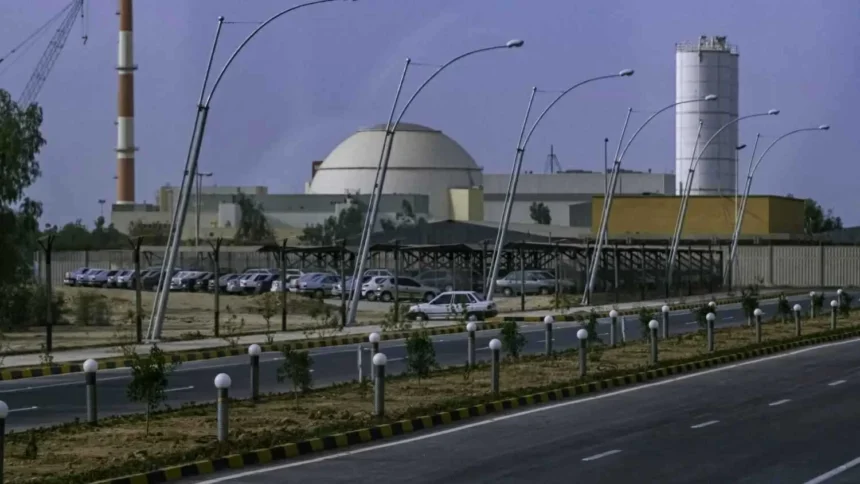
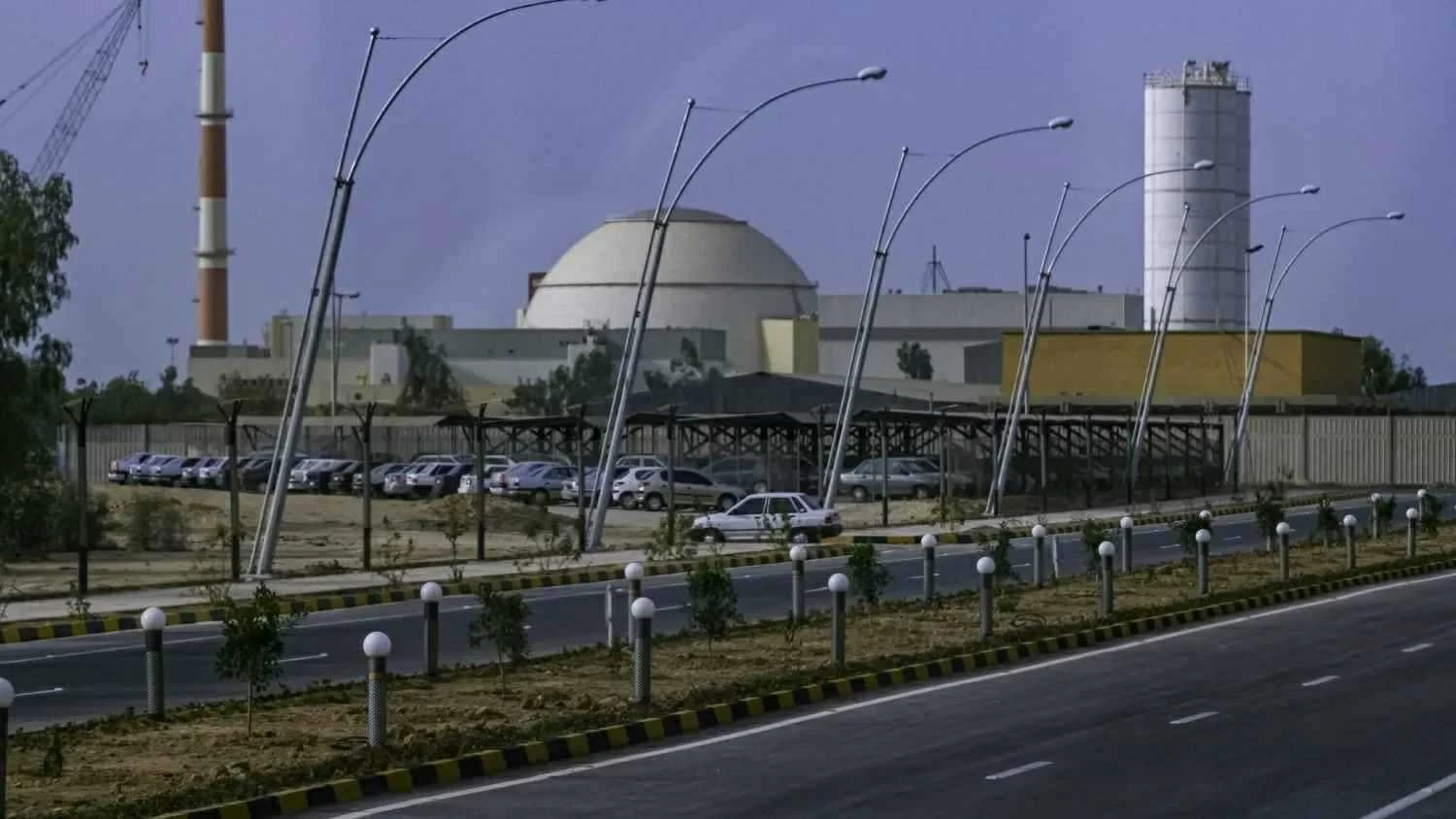
وسط تصاعد القصف واستهداف محيط المحطة النووية، حذّر رئيس مؤسسة «روس آتوم» الحكومية الروسية للطاقة النووية أليكسي ليخاتشيف اليوم (الأربعاء)، من خطورة الوضع في محطة بوشهر الإيرانية للطاقة التي تشغلها روسيا، مؤكداً إن الوضع في محطة «بوشهر» الإيرانية للطاقة النووية يتطور وفق أسوأ الاحتمالات.
وقال ليخاتشوف في بيان: «لا يزال الوضع في محطة بوشهر للطاقة النووية يتجه نحو التدهور»، مبيناً أن الضربة، التي لم تسفر عن خسائر بشرية، وقعت عند الساعة 18:00 بتوقيت غرينتش، (الثلاثاء)، وأصابت منطقة قريبة من وحدة طاقة عاملة.
كاشفاً بدء المرحلة الثالثة من عملية إجلاء الموظفين الروس، مبيناً أن مجموعة غادرت براً باتجاه الحدود الإيرانية-الأرمينية صباح اليوم (الأربعاء)، ومن المقرر مغادرة مجموعتين أخريين قريباً.
وأفاد البيان أن «روس آتوم» تعمل على تقليص عدد الموظفين في المحطة إلى الحد الأدنى مؤقتاً حتى تستقر الأوضاع.
وكانت الوكالة الدولية للطاقة الذرية قالت، أمس، إن إيران أبلغتها بأن قذيفة أصابت محيط محطة بوشهر للطاقة النووية، مبينة أن القذيفة لم تحدث أضراراً بالمنشأة أو إصابات بين الموظفين، وأن الأوضاع في المحطة لا تزال طبيعية.
وكانت روسيا قد أجلت نحو 150 موظفاً من مواطنيها، بينما يواصل نحو 480 آخرين لتشغيل المفاعل والمحطة النووية التي تعود إلى سبعينات القرن الماضي وتهدف لإنتاج 23 ألف ميغاوات من الكهرباء النووية.
وبدأ تشغيل المفاعل في مايو 2011، وتم ربطه بالشبكة الكهربائية في سبتمبر من العام ذاته، كما دخل الخدمة التجارية رسمياً في سبتمبر 2013، لكن المحطة أوقف تشغيلها مؤقتاً في 2012 بسبب مخاوف من بقايا معدنية في نظام التبريد، قبل إعادة تشغيله لاحقاً.
يُعدّ «بوشهر» مفاعلاً مدنياً خاضعاً بالكامل لرقابة الوكالة الدولية للطاقة الذرية، وبخلاف منشآت نطنز وفوردو، لا يُجري أي عمليات تخصيب لليورانيوم، إذ تُزوده روسيا بوقود منخفض التخصيب لا تتجاوز نسبته 3.67%، وتستعيد الوقود المستنفد بعد انتهاء دورته لإعادة معالجته في روسيا، في ترتيب صُمِّم خصيصاً لتقليل مخاطر الانتشار النووي.
ويعمل في المحطة عادةً بين 450 و600 موظف روسي يشرفون على التشغيل والصيانة، إلى جانب مهندسين إيرانيين تدربوا في مراكز روسية متخصصة.
Amid escalating shelling and targeting around the nuclear plant, the head of the Russian state nuclear energy corporation “Rosatom,” Alexey Likhachev, warned today (Wednesday) of the dangerous situation at the Bushehr nuclear power plant in Iran, which is operated by Russia, confirming that the situation at the Iranian “Bushehr” nuclear power plant is developing according to the worst-case scenarios.
Likhachev stated in a statement: “The situation at the Bushehr nuclear power plant is still deteriorating,” indicating that the strike, which did not result in any casualties, occurred at 18:00 GMT on Tuesday and hit an area near an operational power unit.
He revealed the start of the third phase of the evacuation process for Russian employees, noting that a group left by land towards the Iranian-Armenian border this morning (Wednesday), with two more groups scheduled to depart soon.
The statement indicated that “Rosatom” is working to temporarily reduce the number of employees at the plant to a minimum until the situation stabilizes.
The International Atomic Energy Agency (IAEA) stated yesterday that Iran informed it that a shell had struck the area around the Bushehr nuclear power plant, noting that the shell did not cause any damage to the facility or injuries among the staff, and that the situation at the plant remains normal.
Russia had evacuated about 150 of its employees, while around 480 others continue to operate the reactor and the nuclear plant, which dates back to the 1970s and aims to produce 23,000 megawatts of nuclear electricity.
The reactor began operations in May 2011, was connected to the electrical grid in September of the same year, and officially entered commercial service in September 2013. However, the plant was temporarily shut down in 2012 due to concerns over metallic residues in the cooling system, before being restarted later.
Bushehr is a civilian reactor fully under the supervision of the International Atomic Energy Agency. Unlike the Natanz and Fordow facilities, it does not conduct any uranium enrichment operations, as it is supplied by Russia with low-enriched fuel not exceeding 3.67%. The spent fuel is returned after its cycle for reprocessing in Russia, in an arrangement specifically designed to minimize nuclear proliferation risks.
Typically, between 450 and 600 Russian employees work at the plant overseeing operations and maintenance, alongside Iranian engineers who have trained at specialized Russian centers.