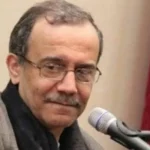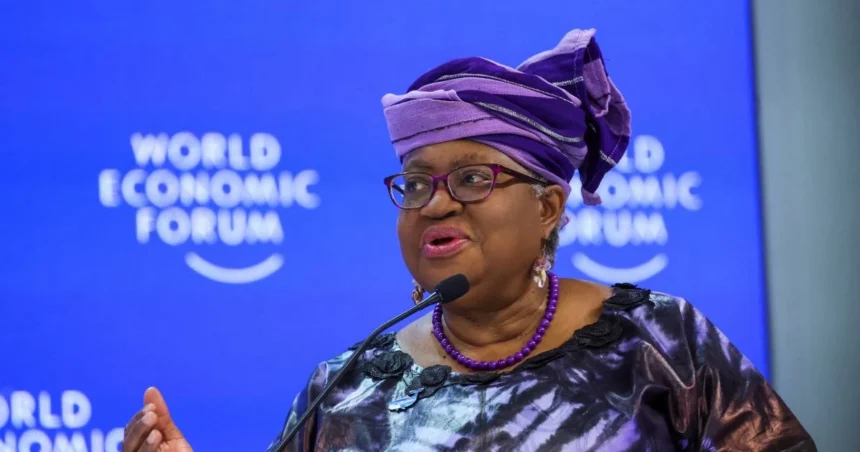
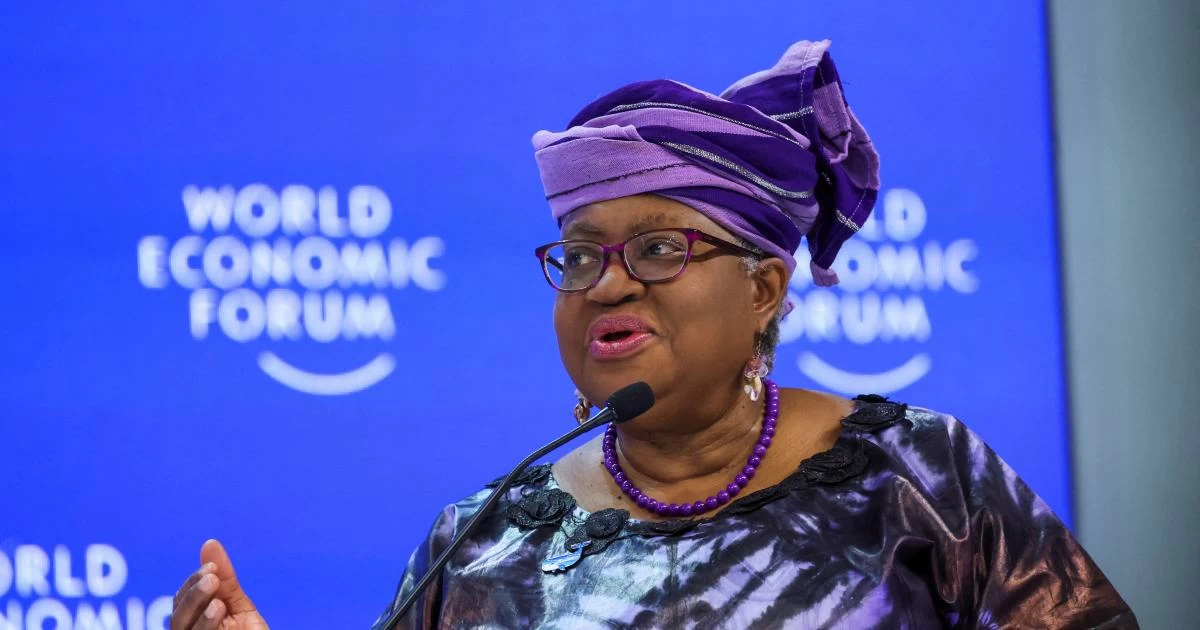
كشفت المديرة العامة لمنظمة التجارة العالمية نغوزي أوكونغو إيويلا، اليوم، أن النظام متعدّد الأطراف تغيّر جذرياً، وأن على الدول النظر إلى المستقبل لبحث كيفية تعديل نظام التجارة العالمي.
وقالت أمام الوفود في افتتاح المؤتمر الوزاري الرابع عشر للمنظمة في ياوندي بالكاميرون: «تغيّر النظام العالمي والنظام متعدّد الأطراف الذي كنا نعرفه تغيّراً لا رجعة فيه، ولن نستعيده، وعلينا أن نتطلع إلى المستقبل».
قائمة مشكلات
وحددت أوكونغو إيويلا قائمة بالمشكلات التي تواجه منظمة التجارة العالمية، ومنها الجمود في عمل هيئة تسوية المنازعات التابعة للمنظمة، وغياب الشفافية في الإبلاغ عن تطبيق الدعم للأسعار.
وأضافت أن 64 دولة فقط قدّمت إخطارات بالدعم المقدم للأسعار لعام 2025، ما يعني أن أكثر من 100 دولة لم تفعل ذلك.
وأضافت للوفود: «الافتقار إلى الشفافية يؤدي إلى انعدام الثقة، ويولّد شكوكاً بشأن مدى تطبيق إجراءات عادلة وحماية المنافسة».
وأشارت إلى أن غياب الشفافية ساهم في حلقة مفرغة من غياب الثقة تمنع الأعضاء من الاتفاق على قواعد وإصلاحات وتعديلات جديدة.
The Director-General of the World Trade Organization, Ngozi Okonjo-Iweala, revealed today that the multilateral system has changed radically, and that countries need to look to the future to discuss how to amend the global trading system.
She stated before the delegations at the opening of the 14th ministerial conference of the organization in Yaoundé, Cameroon: “The global system and the multilateral system we once knew have changed irreversibly, and we will not get it back; we must look to the future.”
List of Issues
Okonjo-Iweala outlined a list of issues facing the World Trade Organization, including the stagnation in the work of the organization’s dispute settlement body and the lack of transparency in reporting on the implementation of price support.
She added that only 64 countries had submitted notifications of price support for 2025, meaning that more than 100 countries had not done so.
She told the delegations: “The lack of transparency leads to a lack of trust and generates doubts about the extent to which fair procedures and competition protection are being implemented.”
She pointed out that the absence of transparency has contributed to a vicious cycle of distrust that prevents members from agreeing on new rules, reforms, and amendments.