

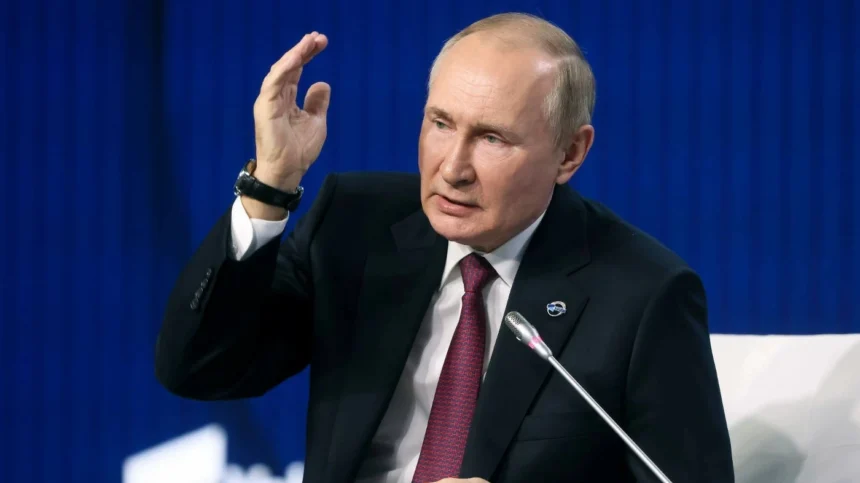
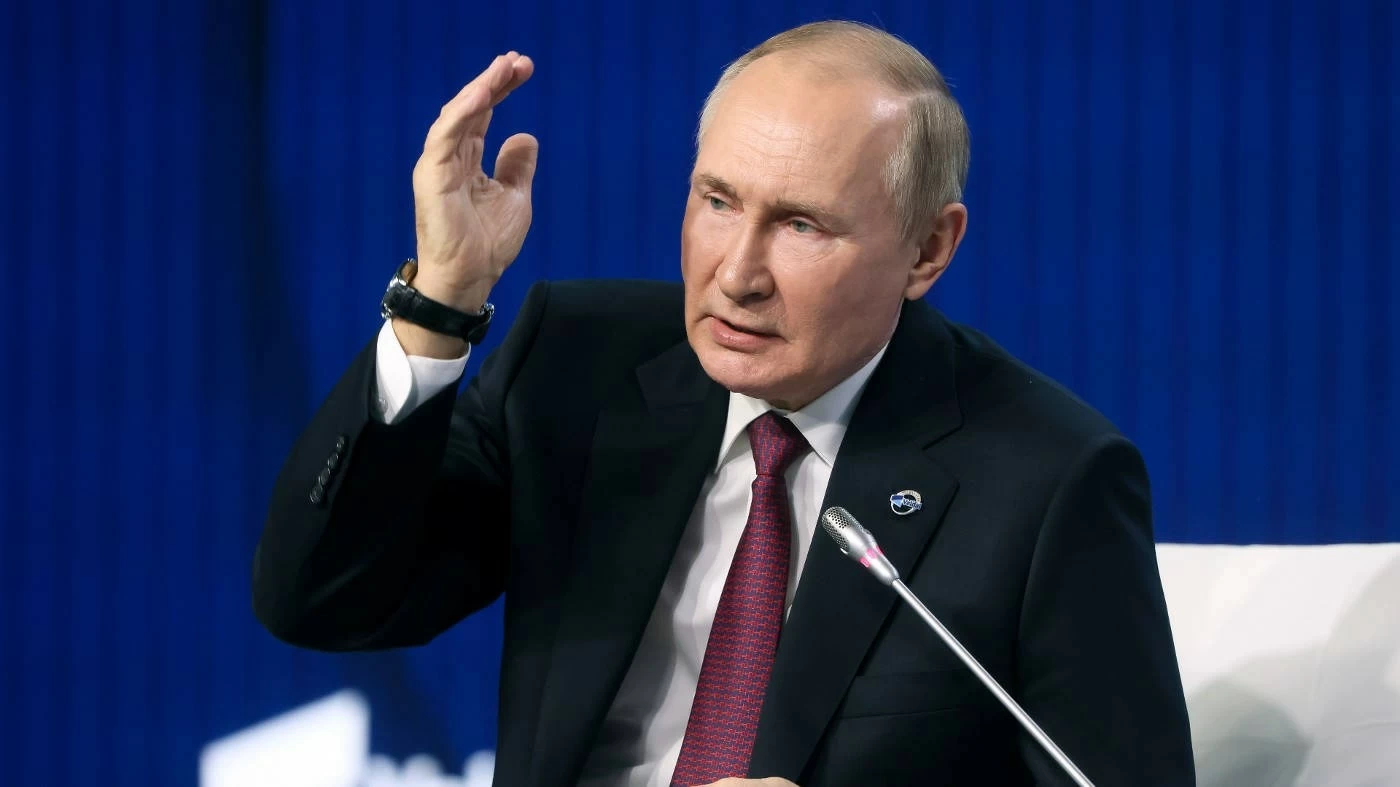
أعلن الرئيس الروسي فلاديمير بوتين دعمه لمبادرة إنشاء جائزة أدبية دولية بديلة لجائزة نوبل في الأدب، معتبرًا أن الموهوبين الذين يقدمون إنجازات استثنائية لروسيا والقراء العالميين يستحقون بدائل غير خاضعة للتحيز السياسي.
جاء ذلك خلال اجتماع مجلس الثقافة التابع لرئيس روسيا، حيث طرح الكاتب الروسي البارز زاخار بريليبين الفكرة، وحظيت بدعم فوري من الرئيس بوتين، الذي وعد بإصدار توجيهات رسمية إلى وزارة الخارجية الروسية للبدء في تنفيذ المشروع.
ودعم سيرغي ستيباشين، رئيس اتحاد الناشرين الروسي، المبادرة بقوة، مؤكدًا أن جائزة نوبل أصبحت «مسيّسة بالكامل» في السنوات الأخيرة، قائلا: «أؤيد تمامًا مبادرة زاخار بريليبين.. هل يمكنكم ذكر اسم كاتب واحد فاز بجائزة نوبل خلال الخمسة عشر أو العشرين عامًا الماضية نقرأ له شيئًا؟ لا يوجد».
من جانبه، أكد زاخار بريليبين أن فريقه جاهز لبدء العمل فورًا، مشيرًا إلى أنه أقام تحالفات واسعة خلال زيارة إلى البرازيل مع أدباء وهيئات أدبية من أمريكا اللاتينية وأوروبا ودول أخرى «لا ترغب في الاندماج في التسلسل الهرمي الغربي الذي أفلست شرعيته منذ زمن».
ودعا بريليبين روسيا إلى التكاتف مع الصين والهند وأمريكا اللاتينية وأفريقيا لتأسيس جائزة تعبر عن «الأغلبية العالمية»، بعيدًا عن ما وصفه بـ«كرنفال الآخرين الذي فقدوا فيه الضمير».
وأشار بريليبين إلى منح جائزة نوبل 2025 للكاتب المجري لازلو كراسناهوركاي، قائلًا إن الجائزة في السنوات الأخيرة تُمنح لـ«هراء صريح»، وإن اللجنة نفسها لا تقرأ أعمال الفائزين.
وتعد جائزة نوبل في الأدب، التي تمنحها الأكاديمية السويدية منذ عام 1901، واحدة من أبرز الجوائز الأدبية العالمية، وغالباً ما تثير جدلاً حول معايير اختيار الفائزين، خصوصاً في السنوات الأخيرة حيث اتهمت بتسييس الاختيارات وتجاهل كتاب من خارج الدائرة الغربية أو ذوي التوجهات المختلفة.
ولم تحظ روسيا، التي أنجبت عمالقة الأدب مثل تولستوي ودوستويفسكي وتشيخوف وبولياكوف، بفائز روسي في الأدب منذ عقود، حيث كان آخر روسي فاز بنوبل جوزيف برودسكي عام 1987، مما يعزز الشعور بالغبن لدى بعض الأوساط الثقافية الروسية.
يأتي المشروع في سياق جهود روسية أوسع لإنشاء بدائل ثقافية دولية مثل محاولات سابقة في الموسيقى، بهدف تعزيز النفوذ الثقافي الروسي والتعاون مع دول «الجنوب العالمي» في مواجهة ما تراه موسكو هيمنة غربية على المؤسسات الثقافية الدولية.
Russian President Vladimir Putin announced his support for the initiative to create an alternative international literary prize to the Nobel Prize in Literature, considering that talented individuals who make exceptional contributions to Russia and global readers deserve alternatives that are not subject to political bias.
This came during a meeting of the Cultural Council under the President of Russia, where prominent Russian writer Zakhar Prilepin proposed the idea, which received immediate support from President Putin, who promised to issue official directives to the Russian Foreign Ministry to begin implementing the project.
Sergey Stipachin, head of the Russian Publishers Union, strongly supported the initiative, emphasizing that the Nobel Prize has become “completely politicized” in recent years, saying: “I fully support Zakhar Prilepin’s initiative… Can you name one writer who won the Nobel Prize in the last fifteen or twenty years whose work we read? There is none.”
For his part, Zakhar Prilepin confirmed that his team is ready to start working immediately, noting that he has formed wide alliances during a visit to Brazil with writers and literary bodies from Latin America, Europe, and other countries “that do not wish to integrate into the Western hierarchy that has long lost its legitimacy.”
Prilepin called on Russia to unite with China, India, Latin America, and Africa to establish a prize that reflects the “global majority,” away from what he described as “the carnival of others who have lost their conscience.”
Prilepin pointed to the awarding of the 2025 Nobel Prize to Hungarian writer László Krasznahorkai, stating that the prize in recent years has been awarded to “outright nonsense,” and that the committee itself does not read the works of the winners.
The Nobel Prize in Literature, awarded by the Swedish Academy since 1901, is one of the most prestigious literary awards globally and often sparks controversy over the criteria for selecting winners, especially in recent years, as it has been accused of politicizing its choices and ignoring writers from outside the Western circle or those with different orientations.
Russia, which has produced literary giants such as Tolstoy, Dostoevsky, Chekhov, and Polyakov, has not had a Russian winner in literature for decades, with the last Russian to win the Nobel being Joseph Brodsky in 1987, which reinforces feelings of injustice among some Russian cultural circles.
The project comes in the context of broader Russian efforts to create international cultural alternatives, similar to previous attempts in music, aimed at enhancing Russian cultural influence and cooperating with countries of the “Global South” in facing what Moscow sees as Western dominance over international cultural institutions.