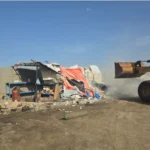




كشفت وزارة البلديات والإسكان، مسودة محدثة لدليل العمل في مواقع التشييد، والتي تهدف إلى تعزيز متطلبات السلامة ورفع كفاءة التنظيم في المشاريع الإنشائية، من خلال إضافة اشتراطات جديدة وجوهرية جرى تطويرها بالتنسيق مع الجهات ذات العلاقة بعد مراجعات موسعة.
وتتضمن المسودة، إلزام المقاول والمالك بالمحافظة على نظافة موقع المشروع داخل السور المؤقت وخارجه، مع متابعة صيانة السور والتأكد من مطابقته للاشتراطات المعتمدة، وذلك حفاظًا على سلامة المارة والمجاورين طوال فترة التنفيذ، وحتى إقامة السور الدائم للفلل السكنية أو إصدار شهادة الإشغال للمباني التجارية.
كما شدّدت المسودة على ضرورة إجراء فحوصات اللياقة المهنية للعاملين وفق اللائحة الصادرة عن المجلس الوطني للسلامة والصحة المهنية، إضافة إلى الالتزام بإيقاف المعدات الثقيلة بعد استخدامها في أماكن آمنة وبعيدة عن منطقة العمل، واتباع التعليمات الإرشادية الصادرة من مركز تنظيم المعدات الثقيلة بالهيئة السعودية للمواصفات والمقاييس والجودة.
وفي جانب الحد من التأثيرات البيئية، أكدت المسودة أهمية تطبيق إجراءات التحكم في الضوضاء والاهتزازات في المشاريع الكبرى أو القريبة من المستقبلات الحساسة، وذلك عبر جدولة الأعمال والمتابعة المستمرة والاستجابة للشكاوى.
كما تضمنت المسودة اشتراط الحصول على التصاريح اللازمة لبدء الأعمال في الموقع، بما في ذلك تصاريح العاملين في المهن الخطرة وفق لائحة تنظيم العمل في المهن ذات المخاطر العالية.
وفي ما يتعلق بالسقالات والشدات والدعائم، نصت المسودة على التوقف الفوري عن استخدامها عند ظهور أي ظروف تمنع التشغيل الآمن، مثل الرياح الشديدة أو الأمطار أو ضعف الرؤية أو تلف أجزاء من السقالة أو غياب الفحص والصلاحية، على أن يُستأنف العمل فقط بعد معالجة الوضع والتأكد من جاهزيتها.
وشدّدت المسودة كذلك على ضرورة إجراء فحص كشف الغازات قبل بدء العمل وأثنائه لضمان سلامة العاملين ومنع المخاطر الناتجة عن تجمع الغازات الخطرة.
واختتمت المسودة بالتأكيد على التزام المقاول بتسجيل المعدات الثقيلة والحصول على تصريح تشغيل سارٍ من مركز تنظيم المعدات الثقيلة، والتحقق من امتلاك المشغلين رخص تشغيل سارية، إضافة إلى التأكد من وجود فحص معتمد وسارٍ للمعدات من جهة معتمدة لدى المركز.
The Ministry of Municipalities and Housing has revealed an updated draft of the work guide for construction sites, aimed at enhancing safety requirements and improving organization efficiency in construction projects by adding new and essential conditions developed in coordination with relevant authorities after extensive reviews.
The draft includes a requirement for the contractor and owner to maintain cleanliness at the project site both inside and outside the temporary fence, while also monitoring the maintenance of the fence and ensuring its compliance with approved conditions, in order to safeguard the safety of passersby and neighbors throughout the execution period, until the permanent fence for residential villas is established or a certificate of occupancy for commercial buildings is issued.
The draft also emphasized the necessity of conducting professional fitness tests for workers according to the regulations issued by the National Council for Occupational Safety and Health, in addition to the commitment to stop heavy equipment after use in safe locations away from the work area, and to follow the guidelines issued by the Heavy Equipment Regulation Center at the Saudi Standards, Metrology and Quality Organization.
Regarding the reduction of environmental impacts, the draft confirmed the importance of implementing noise and vibration control measures in major projects or those near sensitive receptors, through scheduling work, continuous monitoring, and responding to complaints.
The draft also included the requirement to obtain the necessary permits to commence work on the site, including permits for workers in hazardous professions according to the regulation governing work in high-risk professions.
Concerning scaffolding, shoring, and supports, the draft stipulated an immediate halt to their use upon the emergence of any conditions that prevent safe operation, such as strong winds, rain, poor visibility, damage to parts of the scaffolding, or the absence of inspection and validity, with work to be resumed only after addressing the situation and ensuring their readiness.
The draft also stressed the necessity of conducting gas detection tests before and during work to ensure the safety of workers and prevent risks resulting from the accumulation of hazardous gases.
The draft concluded by affirming the contractor’s commitment to register heavy equipment and obtain a valid operating permit from the Heavy Equipment Regulation Center, and to verify that operators possess valid operating licenses, in addition to ensuring that there is a certified and valid inspection of the equipment from an accredited entity at the center.