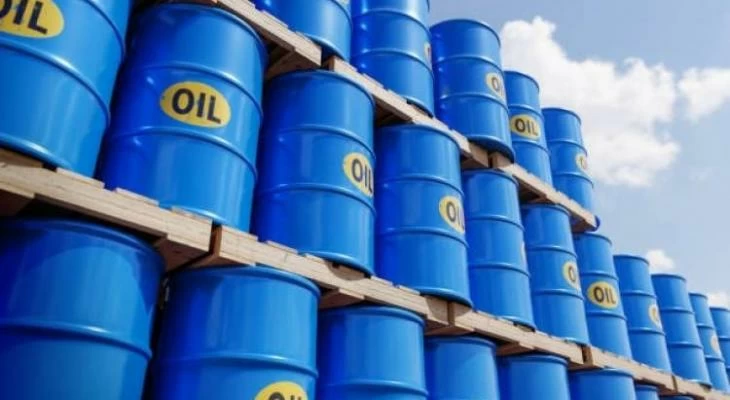
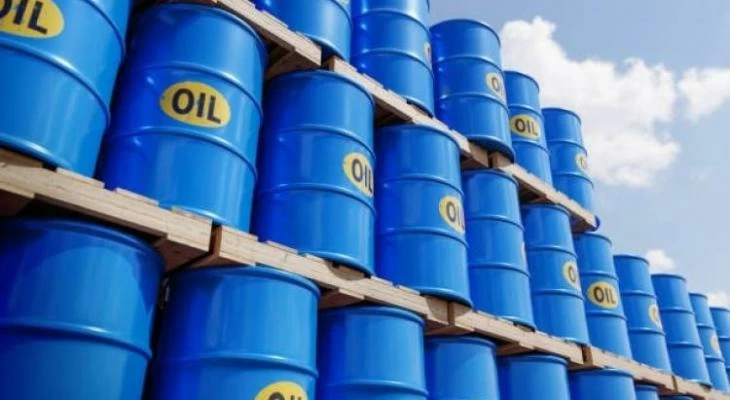
كشف وزير الطاقة الإسباني كارلوس كويربو ، أن بلاده أفرجت بالفعل عن احتياطيات نفطية تكفي أربعة أيام من الاستهلاك، مؤكداً أن إسبانيا لا تزال تمتلك احتياطيات إضافية تكفي نحو 8.3 يوم يمكن الإفراج عنها عند الحاجة.
وأشار إلى عدم السعي لإعادة النظر في سيناريو التخلص التدريجي من الغاز الروسي.
حزمة إجراءات
ويواجه الاتحاد الأوروبي أزمة في الطاقة بعد إغلاق مضيق هرمز. وفي الأسبوع الماضي، حذر (المجلس الدولي للمطارات في أوروبا) من أن أوروبا يمكن أن تواجه نقصا جوهرياً في وقود الطائرات في غضون ثلاثة أسابيع.
وأعلنت المفوضية الأوروبية أنها ستقترح حزمة من الإجراءات في 22 أبريل الجاري لمحاولة تقليل تداعيات الحرب على أسواق الطاقة.
تعطل الشحنات
وقفزت أسعار النفط بنحو 6% لتتجاوز 100 دولار للبرميل، بعدما أعلن الجيش الأمريكي حصارا على السفن الداخلة والخارجة من إيران، مما أثار مخاوف من تعطل شحنات النفط والغاز لفترة طويلة.
وكان الاتحاد الأوروبي قد حذر من تحول أزمة الطاقة إلى أزمة مالية.
وأشارت وكالة الطاقة الدولية، إلى أنه نتيجة الهجمات على البنية التحتية للطاقة في الشرق الأوسط وإغلاق إيران الفعلي لمضيق هرمز، حدث أكبر اضطراب في إمدادات النفط في التاريخ، إذ تراجعت 10.1 مليون برميل يوميا في مارس الماضي.
Spanish Energy Minister Carlos Cuervo revealed that his country has already released oil reserves sufficient for four days of consumption, confirming that Spain still has additional reserves that can cover about 8.3 days which can be released if necessary.
He noted that there is no intention to reconsider the scenario of phasing out Russian gas.
Package of Measures
The European Union is facing an energy crisis after the closure of the Strait of Hormuz. Last week, the (International Airports Council in Europe) warned that Europe could face a significant shortage of aviation fuel within three weeks.
The European Commission announced that it will propose a package of measures on April 22 to try to mitigate the impacts of the war on energy markets.
Disruption of Shipments
Oil prices surged by about 6% to exceed $100 per barrel after the U.S. military announced a blockade on ships entering and leaving Iran, raising concerns about a prolonged disruption of oil and gas shipments.
The European Union had warned that the energy crisis could turn into a financial crisis.
The International Energy Agency pointed out that as a result of attacks on energy infrastructure in the Middle East and Iran’s effective closure of the Strait of Hormuz, the largest disruption in oil supplies in history occurred, with a decline of 10.1 million barrels per day in March.