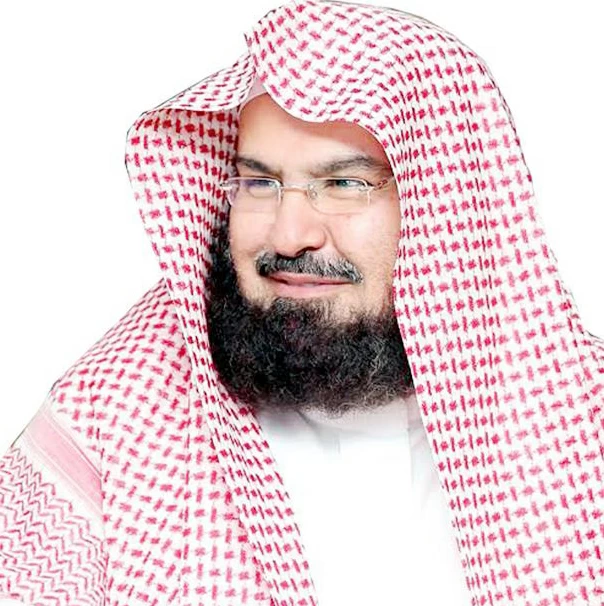
أكد رئيس الشؤون الدينية بالمسجد الحرام والمسجد النبوي الدكتور عبدالرحمن السديس، أهمية الالتزام بالحصول على تصريح الحج والتقيد بالأنظمة والتعليمات المنظمة لأداء الشعيرة، مشدداً على أن مبدأ «لا حج إلا بتصريح» ينسجم مع مقاصد الشريعة الإسلامية، ويحقق مصالح العباد في حفظ النفس ومنع الضرر والفوضى.
وأوضح، أن الشريعة قامت على جلب المصالح ودرء المفاسد، وأن تنظيم أداء الشعائر، ومن ذلك اشتراط الحصول على تصريح الحج؛ يأتي تحقيقاً لهذه المقاصد، وحفظاً لسلامة ضيوف الرحمن، وتمكيناً لهم من أداء مناسكهم في أجواء إيمانية يسودها الأمن والطمأنينة.
وأشار إلى أن الالتزام بالأنظمة والتعليمات يعكس وعي الحاج وتعظيمه لشعائر الله، ويجسد روح الانضباط الشرعي. مؤكداً أن مخالفة هذه الأنظمة قد تُفضي إلى الإضرار بالنفس والغير، وهو ما نهت عنه الشريعة الإسلامية.
ودعا رئيس الشؤون الدينية عموم الراغبين في أداء فريضة الحج إلى الالتزام التام بالتعليمات الصادرة من الجهات المختصة، والتعاون مع الجهود المباركة التي تبذلها القيادة في خدمة ضيوف الرحمن، وتيسير أدائهم للنسك وفق أعلى معايير التنظيم والرعاية.
واختتم السديس، بتأكيد أن الالتزام بتصريح الحج ليس مجرد إجراء تنظيمي، بل هو التزام شرعي ومسؤولية دينية تعكس فقه المقاصد، وتعزز قيم الطاعة والانضباط، بما يحقق مقاصد الحج السامية ويسهم في إنجاح الموسم.
The head of religious affairs at the Grand Mosque and the Prophet’s Mosque, Dr. Abdul Rahman Al-Sudais, emphasized the importance of obtaining a Hajj permit and adhering to the regulations and instructions governing the performance of the ritual. He stressed that the principle of “No Hajj without a permit” aligns with the objectives of Islamic law and serves the interests of worshippers in preserving life and preventing harm and chaos.
He explained that Islamic law is based on bringing about benefits and preventing harm, and that organizing the performance of rituals, including the requirement to obtain a Hajj permit, is in line with these objectives, ensuring the safety of the guests of Allah and enabling them to perform their rites in a spiritual atmosphere characterized by security and tranquility.
He pointed out that adherence to regulations and instructions reflects the awareness of the pilgrim and their reverence for the rites of Allah, embodying the spirit of legal discipline. He affirmed that violating these regulations could lead to harm to oneself and others, which is prohibited by Islamic law.
The head of religious affairs called on all those wishing to perform the Hajj pilgrimage to fully comply with the instructions issued by the relevant authorities and to cooperate with the blessed efforts made by the leadership in serving the guests of Allah, facilitating their performance of the rites according to the highest standards of organization and care.
Al-Sudais concluded by affirming that compliance with the Hajj permit is not merely an organizational procedure, but a religious commitment and responsibility that reflects the understanding of objectives, enhances the values of obedience and discipline, and fulfills the noble purposes of Hajj, contributing to the success of the season.