

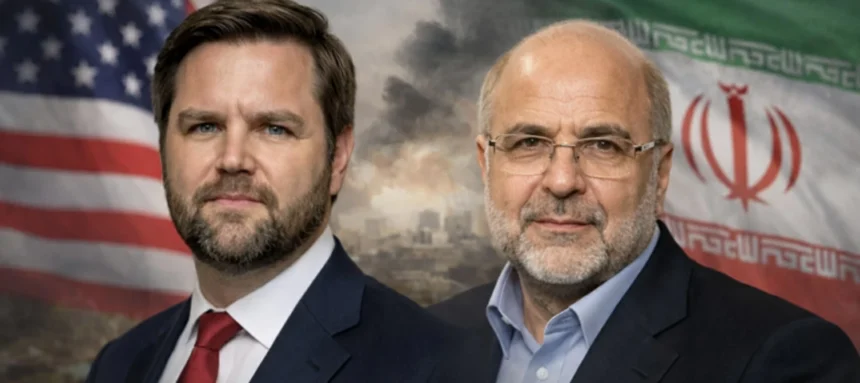
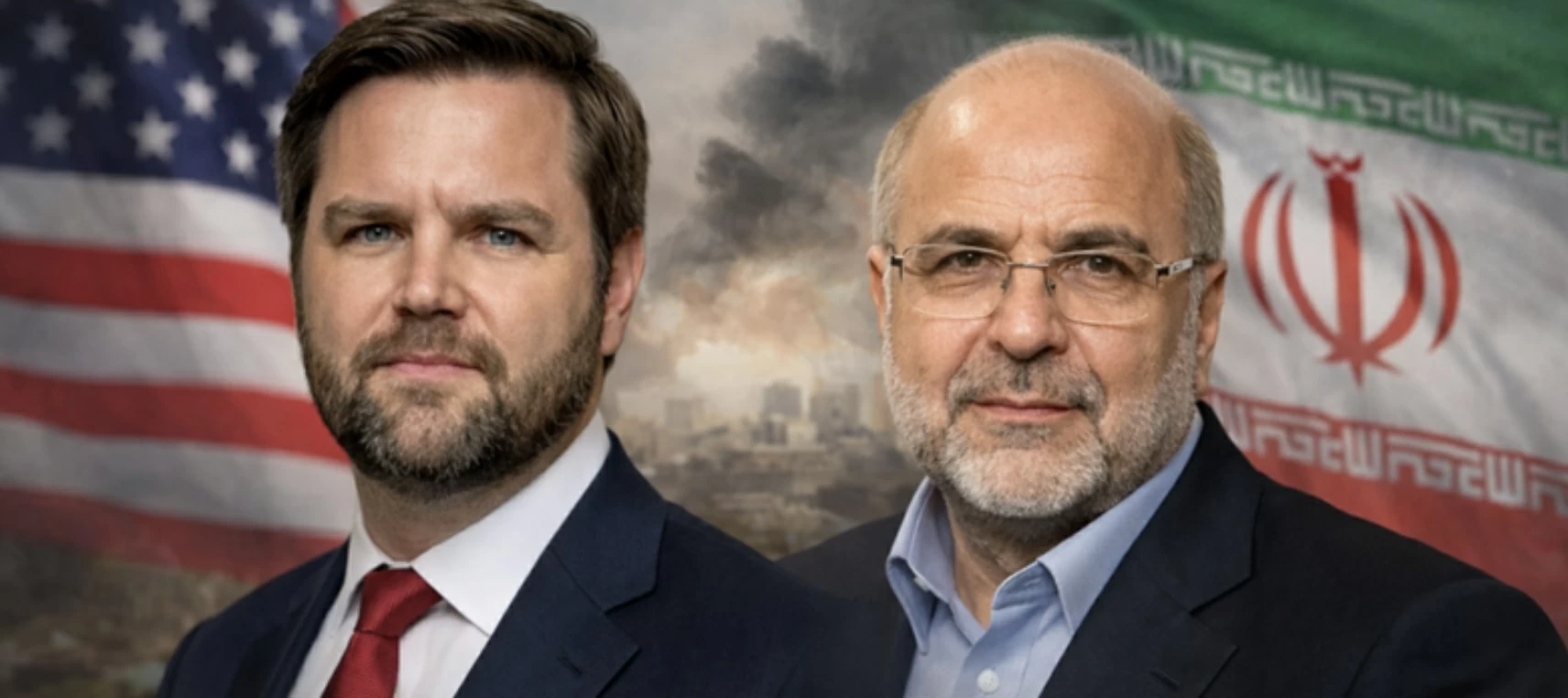
يسعى الرئيس الأمريكي دونالد ترمب لإحياء مسار دبلوماسي مع إيران بشأن برنامجها النووي الذي يشكل جوهر الصراع ومصدر انعدام الثقة العميق بين الجانبين، بعد تصعيد عسكري كبير بين الطرفين، وفق ما أوردت صحيفة «فايننشال تايمز».
«صفر» تخصيب اليورانيوم
ورغم أن الجولة الأولى من المحادثات وصفت بالإيجابية جزئياً، فإن العقدة الأساسية لا تزال قائمة؛ لأن الطرح الأمريكي يركز على منع إيران بشكل دائم من امتلاك سلاح نووي، في حين تؤكد طهران عدم سعيها لامتلاك هذا السلاح، ولكنها تصر بالمقابل على حقها في الاحتفاظ ببرنامجها النووي لأغراض سلمية.
ولفتت الصحيفة إلى أن مطلب واشنطن الصارم «صفر تخصيب» لليورانيوم وتفكيك البرنامج النووي، تقابله قناعة طهران أن التخصيب حق سيادي مكفول لها بموجب معاهدة عدم الانتشار، إضافة إلى أن أي تنازل كامل سيفسر داخلياً على أنه استسلام سياسي.
هذا الأمر يظهر وجود تناقض جوهري بين موقفين يصعب التوفيق بينهما، إذ تريد الولايات المتحدة ضمانات مطلقة، في حين تسعى إيران للاحتفاظ بحد أدنى من القدرة النووية كرمز سيادة وأداة ردع.
محاولة صياغة حلول وسط
وفي هذا السياق، تبرز محاولات لصياغة حلول وسط، مثل تجميد التخصيب لفترة زمنية محددة بدلاً من إلغائه نهائياً، إلا أن هذا الطرح أيضاً يكشف حجم الفجوة، إذ تطالب واشنطن بوقف طويل الأمد يمتد عقوداً، في حين تطرح إيران فترات أقصر بكثير.
ومن ناحية أخرى أشارت الصحيفة إلى أن أحد أكثر الملفات حساسية هو مخزون إيران من اليورانيوم المخصب بدرجة تقترب من مستوى تصنيع السلاح النووي، ويصر ترمب على التخلص منه بالكامل، واصفا إياه بـ«الغبار النووي»، ولكن إيران في المقابل، ترفض التخلي عنه بشكل قاطع، معتبرة أن الاحتفاظ به جزء من توازن الردع.
حالة من التوازن الهش
هذا المخزون – في رأي الصحيفة – يمنح طهران ورقة ضغط قوية لم تكن تمتلكها سابقاً؛ ولذلك تطرح حلولاً تقنية وسطية، مثل خفض نسبة التخصيب بدلاً من تسليم المخزون، في محاولة للحفاظ على ماء الوجه للطرفين.
إضافة إلى مخزون اليورانيوم، يثير مصير المنشآت النووية الإيرانية المدمرة خلال الحرب جدلاً إضافياً؛ لأن الولايات المتحدة تدفع نحو تفكيكها نهائياً، في حين تصر إيران على الإبقاء على بنيتها التحتية الأساسية، مما يعكس رغبتها في الحفاظ على قدراتها الاستراتيجية للمستقبل.
وخلصت الصحيفة إلى أن المشهد يعكس حالة من التوازن الهش، إذ إن هناك إدراكاً متبادلاً لضرورة التوصل إلى اتفاق لتجنب مزيد من التصعيد، لكن الشروط المتباعدة، والتجارب السابقة، وارتفاع مستوى الشكوك تجعل المهمة شديدة الصعوبة.
وبينما يسعى ترمب إلى اتفاق يمكن تسويقه كإنجاز يفوق اتفاق 2015، تحاول طهران تحقيق مكاسب ملموسة دون تقديم تنازلات إستراتيجية كبيرة، ليبقى المسار التفاوضي مفتوحاً على كل الاحتمالات، من اختراق دبلوماسي محدود إلى استمرار الجمود وربما العودة إلى التصعيد.
U.S. President Donald Trump is seeking to revive a diplomatic path with Iran regarding its nuclear program, which lies at the heart of the conflict and is a source of deep mistrust between the two sides, following significant military escalation between them, according to the Financial Times.
“Zero” Uranium Enrichment
Although the first round of talks was described as partially positive, the core issue remains unresolved; the U.S. proposal focuses on permanently preventing Iran from acquiring nuclear weapons, while Tehran insists that it does not seek to possess such weapons but, in turn, insists on its right to maintain its nuclear program for peaceful purposes.
The newspaper noted that Washington’s strict demand for “zero enrichment” of uranium and the dismantling of the nuclear program is met with Tehran’s conviction that enrichment is a sovereign right guaranteed to it under the Non-Proliferation Treaty, in addition to the fact that any complete concession would be interpreted domestically as a political surrender.
This situation reveals a fundamental contradiction between two positions that are difficult to reconcile, as the United States wants absolute guarantees, while Iran seeks to retain a minimum level of nuclear capability as a symbol of sovereignty and a deterrent tool.
Attempts to Formulate Compromises
In this context, attempts are emerging to formulate compromises, such as freezing enrichment for a specified period instead of completely eliminating it, yet this proposal also highlights the extent of the gap, as Washington demands a long-term halt extending for decades, while Iran proposes much shorter periods.
On the other hand, the newspaper pointed out that one of the most sensitive issues is Iran’s stockpile of uranium enriched to levels close to those needed for nuclear weapon manufacturing, with Trump insisting on its complete elimination, describing it as “nuclear dust.” However, Iran, in turn, firmly refuses to relinquish it, considering that retaining it is part of the deterrent balance.
A State of Fragile Balance
This stockpile – in the newspaper’s view – gives Tehran a strong leverage it did not possess before; therefore, it is proposing intermediate technical solutions, such as reducing the enrichment level instead of handing over the stockpile, in an attempt to preserve face for both parties.
In addition to the uranium stockpile, the fate of the Iranian nuclear facilities destroyed during the war raises additional controversy; the United States is pushing for their complete dismantling, while Iran insists on maintaining its basic infrastructure, reflecting its desire to preserve its strategic capabilities for the future.
The newspaper concluded that the scene reflects a state of fragile balance, as there is a mutual recognition of the necessity to reach an agreement to avoid further escalation, but the divergent conditions, past experiences, and heightened levels of suspicion make the task extremely difficult.
While Trump seeks an agreement that can be marketed as a greater achievement than the 2015 deal, Tehran is trying to achieve tangible gains without making significant strategic concessions, leaving the negotiating path open to all possibilities, from limited diplomatic breakthroughs to continued stalemate and possibly a return to escalation.