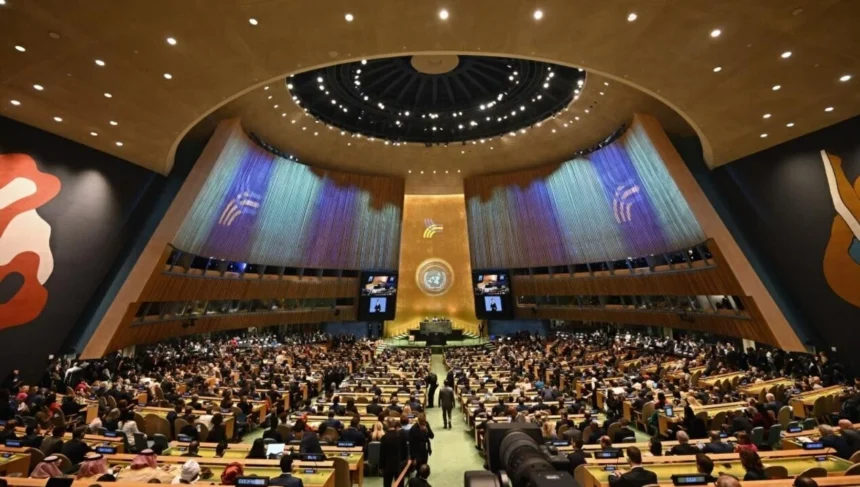
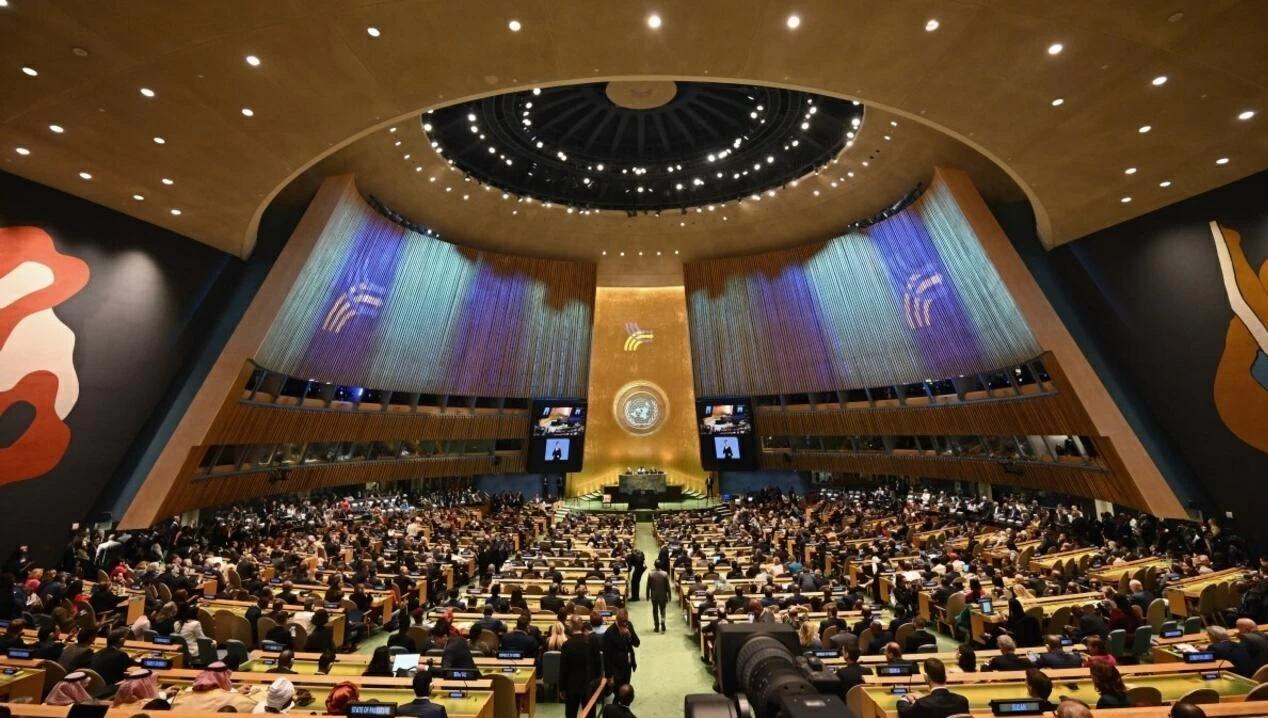
تتجه الأنظار يومي الثلاثاء والأربعاء إلى الجمعية العامة للأمم المتحدة، إذ تنطلق الجلسات العلنية لاستجواب المرشحين الأربعة لخلافة الأمين العام الحالي أنطونيو غوتيريش.
شفافية وبناء ثقة
ومن المنتظر أن يخضع المرشحون الأربعة لمساءلة تمتد نحو 3 ساعات لكل منهم أمام الدول الأعضاء الـ193، وممثلي المجتمع المدني.
وتعد هذه الجلسات، التي تُبث تحت اسم «حوار غير رسمي»، المرة الثانية التي تنظم فيها المنظمة هذا الإجراء منذ استحداثه عام 2016 لتعزيز مبدأ الشفافية. وتهدف الخطوة إلى استعراض رؤية المرشحين لكيفية إعادة بناء الثقة في منظمة تتعرض لضغوط هائلة وتقف على حافة أزمة مالية وشيكة.
وتضم القائمة المعلنة حتى الآن 4 أسماء بارزة وهي:
التشيلية ميشيل باشيليت:
الرئيسة السابقة المفوضة السامية السابقة لحقوق الإنسان، ورغم خبرتها الدولية ودعم المكسيك والبرازيل لها، تواجه تحديات تتمثل في استياء الصين من تقاريرها السابقة حول «الإيغور»، وفقدان دعم بلدها بعد وصول حكومة يمينية جديدة.
الأرجنتيني رافائيل غروسي:
مدير الوكالة الدولية للطاقة الذرية الذي برز من خلال إدارته لملفات نووية ساخنة في إيران وأوكرانيا. ويدعو في رسالة ترشحه إلى العودة إلى «الأسس التأسيسية» للمنظمة الدولية، وهو خطاب يحظى بتأييد إدارة الرئيس ترمب.
الكوستاريكية ريبيكا غرينسبان:
مديرة وكالة الأمم المتحدة للتجارة والتنمية (أونكتاد)، وتستند في رؤيتها إلى ميثاق الأمم المتحدة وخبرتها في التفاوض على «مبادرة البحر الأسود» لتصدير الحبوب.
السنغالي ماكي سال:
الرئيس السابق المرشح الوحيد من خارج أمريكا اللاتينية، ويركز سال على الربط بين السلم والتنمية، لكنه يواجه معارضة إقليمية من 20 دولة أفريقية، فضلاً عن اتهامات من السلطات السنغالية الحالية بقمع مظاهرات سياسية سابقة.
ورغم الأجواء العلنية للاستجواب، فإن القرار الفعلي يظل بيد أعضاء مجلس الأمن الـ15، خصوصاً الدول الخمس دائمة العضوية (الولايات المتحدة، الصين، روسيا، المملكة المتحدة، فرنسا).
تأييد الأغلبية وتجنب الفيتو
وأفاد موقع الأمم المتحدة بأن أي مرشح يجب أن يحصل على تأييد الأغلبية في المجلس مع تجنب أي «فيتو» من الدول الخمس. وحذر السفير الأمريكي مايك والتز من أن الأمين العام القادم يجب أن يكون منسجماً مع «القيم والمصالح الأمريكية».
وتزيد الخلافات والجمود داخل مجلس الأمن بشأن أزمات غزة وأوكرانيا وإيران من صعوبة المهمة في التوصل إلى توافق على اسم واحد قبل الموعد النهائي المحدد أواخر عام 2026.
ضغوط دولية لانتخاب امرأة
وتتصاعد الضغوط الدولية لانتخاب امرأة لشغل المنصب للمرة الأولى منذ 80 عاماً، إذ تعاقب 9 رجال على قيادة المنظمة. ويؤكد موقع الأمم المتحدة وجود تشجيع قوي للدول الأعضاء لترشيح نساء. وتطالب أمريكا اللاتينية بالمنصب بموجب تقليد «التدوير الجغرافي»، وهو ما يفسر وجود 3 مرشحين من هذه المنطقة حتى الآن، على الرغم من عدم وجود سياسة رسمية تُلزم بهذا التناوب.
خريطة طريق نحو 2027
وحسب موقع المنظمة الدولية تبدأ ولاية الأمين العام الجديد في الأول من يناير 2027. وتوقع أن يعقد مجلس الأمن جلسات مغلقة لتقييم المرشحين في أواخر يوليو 2026 عبر «اقتراعات استطلاعية» تهدف لبيان مدى التأييد أو المعارضة لكل اسم، على أن تُضفي الجمعية العامة الطابع الرسمي على قرار التعيين في الفترة ما بين أغسطس وأكتوبر 2026.
All eyes are on the United Nations General Assembly on Tuesday and Wednesday, as the public sessions for questioning the four candidates to succeed the current Secretary-General Antonio Guterres begin.
Transparency and Building Trust
The four candidates are expected to undergo questioning lasting about 3 hours each in front of the 193 member states and representatives of civil society.
These sessions, broadcast under the name “Informal Dialogue,” mark the second time the organization has organized this procedure since its introduction in 2016 to enhance the principle of transparency. The step aims to showcase the candidates’ visions for how to rebuild trust in an organization under immense pressure and on the brink of a looming financial crisis.
The announced list so far includes four prominent names:
Chilean Michelle Bachelet:
The former High Commissioner for Human Rights, despite her international experience and support from Mexico and Brazil, faces challenges stemming from China’s dissatisfaction with her previous reports on the “Uighurs,” and the loss of support from her country following the arrival of a new right-wing government.
Argentinian Rafael Grossi:
Director of the International Atomic Energy Agency, who has emerged through his management of hot nuclear issues in Iran and Ukraine. In his candidacy message, he calls for a return to the “foundational principles” of the international organization, a message that has the backing of the Trump administration.
Costa Rican Rebeca Grynspan:
Director of the United Nations Conference on Trade and Development (UNCTAD), who bases her vision on the United Nations Charter and her experience negotiating the “Black Sea Initiative” for grain exports.
Senegalese Macky Sall:
The former president and the only candidate from outside Latin America, Sall focuses on linking peace and development, but faces regional opposition from 20 African countries, as well as accusations from the current Senegalese authorities of suppressing previous political protests.
Despite the public nature of the questioning, the actual decision remains in the hands of the 15 members of the Security Council, particularly the five permanent members (the United States, China, Russia, the United Kingdom, and France).
Majority Support and Avoiding the Veto
The UN website reported that any candidate must receive majority support in the council while avoiding any “veto” from the five countries. U.S. Ambassador Mike Waltz warned that the next Secretary-General must align with “American values and interests.”
Increasing disagreements and stalemates within the Security Council regarding the crises in Gaza, Ukraine, and Iran complicate the task of reaching a consensus on a single name before the deadline set for late 2026.
International Pressure to Elect a Woman
International pressure is mounting to elect a woman for the position for the first time in 80 years, as 9 men have successively led the organization. The UN website confirms strong encouragement for member states to nominate women. Latin America is claiming the position under the tradition of “geographical rotation,” which explains the presence of 3 candidates from this region so far, despite the absence of an official policy mandating this rotation.
Roadmap to 2027
According to the organization’s website, the term of the new Secretary-General will begin on January 1, 2027. It is expected that the Security Council will hold closed sessions to assess the candidates in late July 2026 through “exploratory votes” aimed at indicating the level of support or opposition for each name, with the General Assembly formalizing the appointment decision between August and October 2026.