


كشفت نتائج اعمال التنقيب التي نفذتها البعثة السعودية الصينية المشتركة في موقع السرين بمحافظة الليث ضمن جهودها لتوثيق المشهد الحضاري للموانئ الإسلامية التاريخية على ساحل البحر الأحمر أن الموقع شهد نشاطاً حضرياً وتجارياً منذ القرن الثالث الهجري، و لعب دوراً محورياً في ربط شبكات التجارة البحرية بين شبه الجزيرة العربية وشرق أفريقيا وموانئ العالم الإسلامي، مستفيداً من موقعه الاستراتيجي عند مصب وادٍ موسمي وفر بيئة طبيعية ملائمة للاستيطان البشري.
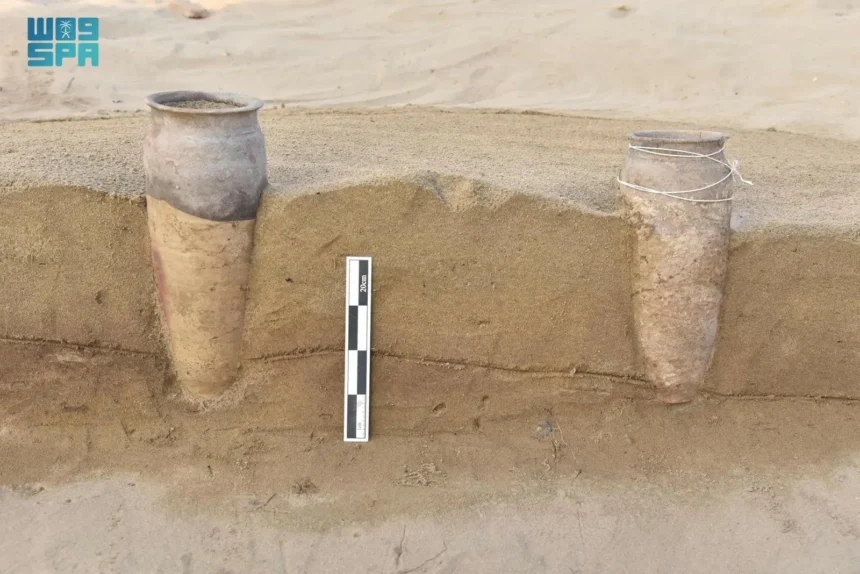
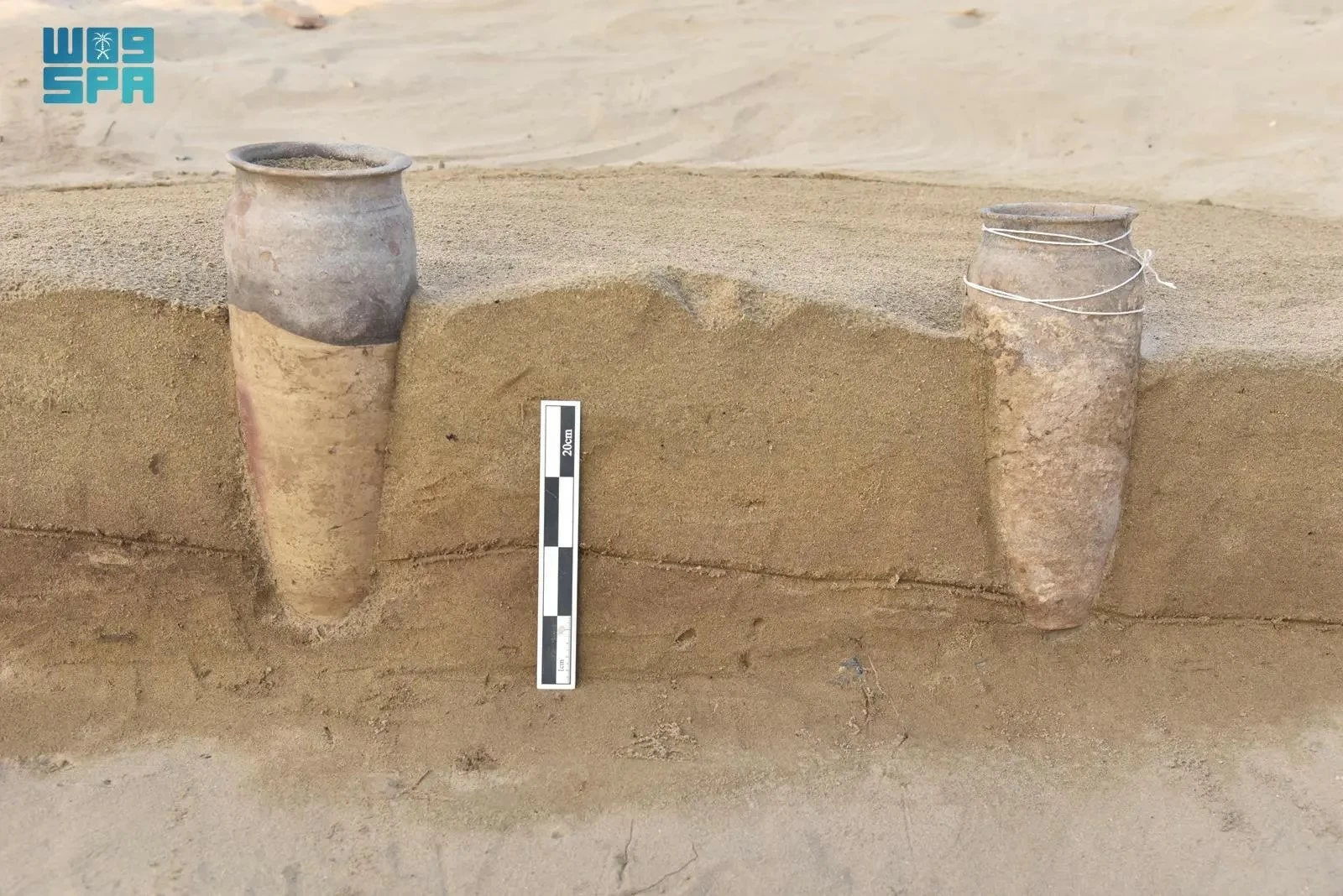
وأسفرت أعمال التنقيب عن كشف امتدادات معمارية هامة شملت وحدات سكنية وخدمية وتخزينية، ومواقد فخارية تعكس تفاصيل الحياة المعيشية، بالإضافة إلى توثيق سور يحيط بالموقع من جهاته الجنوبية والشمالية والغربية، ما ساهم في تقديم قراءة أوضح لتنظيم الموقع وحدوده العمرانية. كما أظهرت الحفريات بقايا مسجد في الجهة الجنوبية الغربية، لا تزال أعمال الدراسة فيه مستمرة ومن المتوقع امتدادها للموسم القادم لفهم البنية الدينية والتنظيم الحضري للمدينة بشكل أدق.
كما تم توثيق معثورات متنوعة من فخار ومباخر وأدوات حجرية وخرز عقيق وزجاج، إلى جانب مواد عضوية من أصداف وعظام حيوانية تعكس تنوع الأنشطة الاقتصادية. ومن أبرز المكتشفات جزء من جرة خزفية صينية تعود لعصر «سونغ الشمالية» (960–1127م)، تحمل بقايا ختم زخرفي برموز كتابية صينية، ما يعد شاهداً أثرياً على قوة الاتصال التجاري بين جنوبي الصين وسواحل البحر الأحمر؛ فيما أكدت الهيئة استمرار أعمالها في المواسم المقبلة لبناء تصور علمي متكامل يبرز القيمة الحضارية لهذا الميناء التاريخي الهام.
The results of the excavation work carried out by the joint Saudi-Chinese mission at the Al-Sareen site in Al-Lith Governorate, as part of its efforts to document the cultural scene of historical Islamic ports along the Red Sea coast, revealed that the site witnessed urban and commercial activity since the 3rd century AH. It played a pivotal role in connecting maritime trade networks between the Arabian Peninsula, East Africa, and the ports of the Islamic world, benefiting from its strategic location at the mouth of a seasonal valley that provided a suitable natural environment for human settlement.
The excavation work resulted in the discovery of significant architectural extensions that included residential, service, and storage units, as well as pottery stoves that reflect details of daily life. Additionally, a wall surrounding the site from its southern, northern, and western sides was documented, contributing to a clearer understanding of the site’s organization and urban boundaries. The excavations also revealed the remains of a mosque in the southwestern area, where studies are still ongoing, and it is expected to continue into the next season to better understand the religious structure and urban organization of the city.
Various artifacts were documented, including pottery, incense burners, stone tools, agate beads, and glass, alongside organic materials such as shells and animal bones that reflect the diversity of economic activities. Among the most notable discoveries was a part of a Chinese ceramic jar dating back to the Northern Song Dynasty (960–1127 AD), which bears remnants of a decorative seal with Chinese script symbols, serving as archaeological evidence of the strong trade connections between southern China and the Red Sea coasts. The authority confirmed its continuation of work in the upcoming seasons to build a comprehensive scientific vision that highlights the cultural value of this important historical port.