

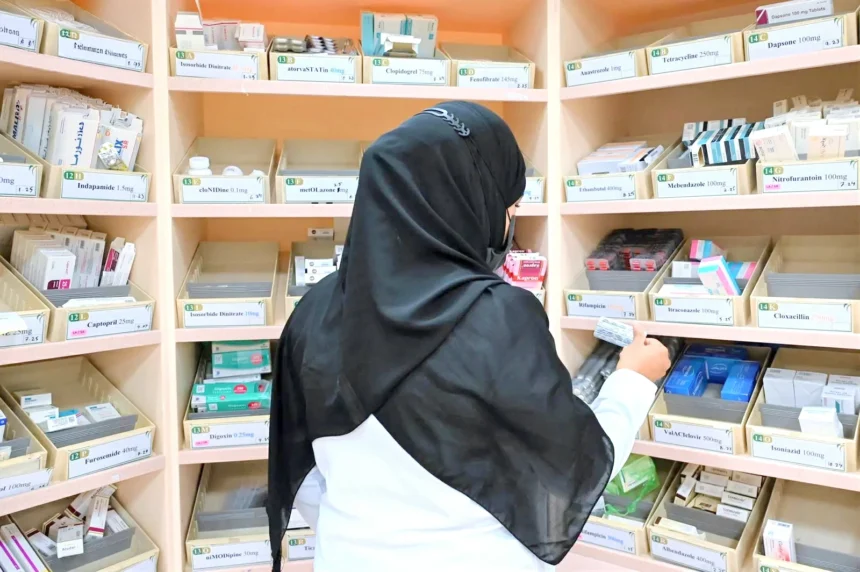
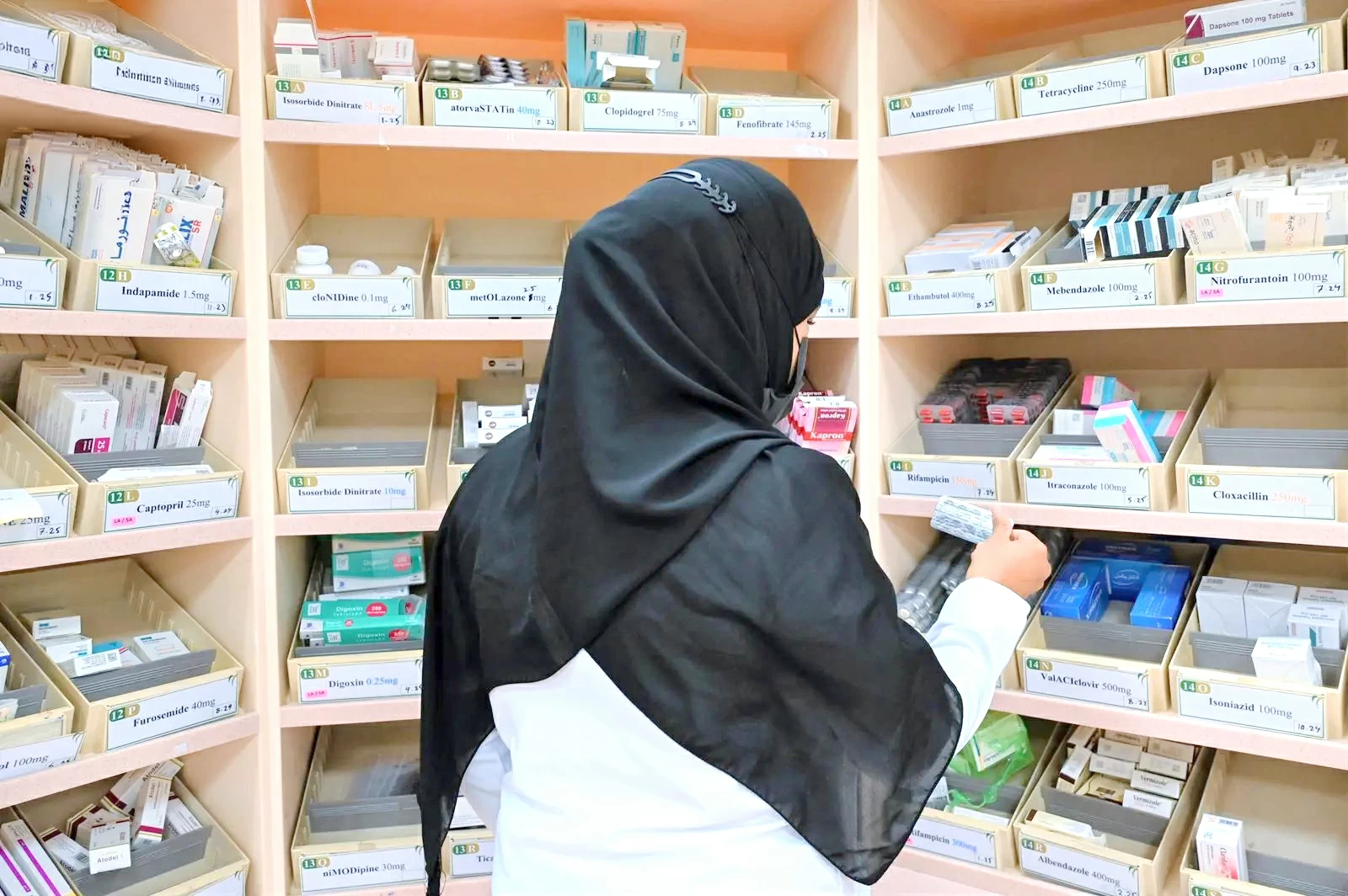
حظر التشريع الاسترشادي الموحَّد لمكافحة المخدرات والمؤثرات العقلية لدول مجلس التعاون، صرف المواد المخدرة أو المؤثرات العقلية بموجب وصفات طبية بعد مضي 3 أيام من تاريخ تحريرها.
وأكد التشريع، الذي وافق عليه مجلس الوزراء أخيرا، على ضوابط استيراد وتصدير ونقل المواد المخدرة والمؤثرات العقلية، وضوابط ترخيص الاتّجار فيها، والعقوبات عند الاتجار فيها بشكل غير مشروع، وحظر نقل المواد المخدرة داخل طرود أو شحنات محتوية على مواد أخرى.
وحدد التشريع تصدير واستيراد ونقل المواد المخدرة والمؤثرات العقلية على 6 جهات، وهي مؤسسات الدولة والمعاهد العلمية ومراكز البحث العلمي المعترف بها.
وشدد التشريع، على أنه لا يرخص بالاتجار في المواد المخدرة أو المؤثرات العقلية إلا في الصيدليات أو المستودعات أو مصانع الأدوية أو المحال التي تتعامل بذلك، بعد التأكد من مراعاتها لكافة الشروط المحددة للمواصفات الخاصة، كما يعين للمحل المرخص له بالاتجار في المواد المخدرة أو المؤثرات العقلية، أياً كان نوعه، صيدلي يكون مسؤولاً عن إدارته ولا يجوز استيراد المواد المخدرة أو المؤثرات العقلية أو تصديرها أو نقلها إلا بمقتضى ترخيص كتابي من وزير الصحة.
كما لا يجوز استيراد المواد المخدرة أو المؤثرات العقلية أو تصديرها أو نقلها داخل طرود أو شحنات محتوية على مواد أخرى، ويجب أن يكون إرسالها – ولو كانت بصفة عينة داخل طرود أو شحنات مؤمن عليها ومبين على غلافها الخارجي الاسم الكامل للمادة المخدرة أو المؤثر العقلي وطبيعته وكميته ونسبة تركيزه، وكذلك كافة البيانات الكاملة للمرخص له باستيراده أو تصديره أو نقله.
هؤلاء ممنوعون من الرخصة
نص التشريع، أن الترخيص بالاتجار لا يمنح للمحكوم عليه بعقوبة مقيدة للحرية في جناية أو بعقوبة في جريمة السكر ما لم يُرد إليه اعتباره، وشملت قائمة الممنوعين من الاتجار المحكوم عليه بعقوبة إحدى الجرائم المنصوص عليها في هذا التشريع، والمحكوم عليه في إحدى جرائم الاعتداء على المال، أو على المصلحة العامة، أو على الأعراض أو في الجرائم المخلة بالآداب.
ووفق القرار، لا يسمح بالاتجار لكل من ارتكب أي جريمة مخلة بالشرف أو بالأمانة، وكذلك المحكوم عليه للشروع في أي من تلك الجرائم ما لم يُرد اعتباره، ومن سبق فصله تأديبياً من وظيفة عامة لأسباب مخلة بالشرف أو بالأمانة ما لم تنقض خمس سنوات من تاريخ الفصل نهائياً.
ونص التشريع، أنه لا يجوز للصيادلة أن يصرفوا المواد المخدرة أو المؤثرات العقلية إلا بموجب وصفة طبية صادرة من طبيب مرخص له بمزاولة مهنة الطب، أو بموجب رخصة صادرة من وزارة الصحة، مع التقيد بعدة أحكام منها التأكد من تحرير الوصفة الطبية بمعرفة طبيب متخصص موقعاً عليها بخاتمه، ومدونة بمداد سائل غير قابل للمحو دون إتلاف لها، وكذلك التأكد من تحريرها على نموذج الوصفات الطبية المصروفة للأطباء من قبل الجهة المختصة بوزارة الصحة.
إعدام الجاني العائد
وحظر التشريع صرف المواد المخدرة أو المؤثرات العقلية بموجب وصفات طبية بعد مضي 3 أيام من تاريخ تحريرها، على أن يذكر ذلك على الوصفة، ويجوز للأشخاص المرضى حيازة عقاقير أو مستحضرات طبية تحتوي على مواد مخدرة بقصد استعمالهم لها لأسباب صحية بحتة على أن يكون صرفها إما بموجب وصفات طبية في حدود الكميات التي يصفها لهم الأطباء المرخص لهم بمزاولة مهنة الطب، وإما بموجب بطاقات الرخص الخاصة.
ويعاقب بالإعدام كل من عاد إلى ارتكاب إحدى الجرائم السابقة، أو إذا كان الجاني من الموظفين أو المستخدمين العموميين المنوط بهم مكافحة المواد المخدرة أو الرقابة على تداولها وحيازتها، ويعاقب بالسجن مدة لا تقل عن عشر سنوات ولا تزيد على 15 سنة وبغرامة من 25 ألفاً إلى 125 ألف ريال أو ما يعادلها من عملات الدول الأعضاء، كل من نقل بنفسه أو بواسطة غيره بمقابل أو بغير مقابل لأي قصد كان، مواد مخدرة أو مؤثرات عقلية من تلك المدرجة في المجموعة الأولى والجدول الأول من المجموعة الثانية أو نباتاً من النباتات المدرجة في الجدول الخامس من المجموعة الأولى الملحقة بهذا التشريع أو أي جزء من أجزائها أو بذورها، وذلك قبل الحصول على التراخيص المنصوص عليها في التشريع.
وتطبق العقوبة ذاتها على كل من حاز أو أحرز أو باع أو اشترى أو سلم أو تسلّم أو توسط أو سهل في شيء من ذلك مواد مخدرة أو مؤثرات عقلية من تلك المدرجة في المجموعة الأولى والجدول الأول من المجموعة الثانية أو نباتاً من النباتات المدرجة في الجدول الخامس من المجموعة الأولى الملحقة بهذا التشريع أو أي جزء من أجزائها أو بذورها، وكان ذلك بقصد الاتجار أو الحيازة فيها بأية صورة في غير الأحوال المرخص بها وفقاً لأحكام هذا التشريع، كما يعاقب بالعقوبة ذاتها كل من رخص له في حيازة أو إحراز مواد مخدرة أو مؤثرات عقلية بقصد الاتجار فيها أو وصفها أو التعامل فيها بأية صورة، وتنازل عنها أو بادل عليها أو تصرف فيها بمقابل بشكل آخر مخالف للغرض الذي رخص له من أجله، وتفرض نفس العقوبة على كل من أدار أو هيّأ أو أعد بمقابل مكاناً لتعاطي المواد المخدرة أو المؤثرات العقلية المدرجة في المجموعة الأولى والجدول الأول من المجموعة الثانية الملحقين بهذا التشريع.
ومن العقوبات في التشريع يعاقب بالإعدام أو بالسجن المؤبد وبغرامة من 50 ألفاً إلى 250 ألف ريال أو ما يعادلها من عملات الدول الأعضاء، كل من عاد إلى ارتكاب إحدى الجرائم السابقة، أو إذا كان الجاني من الموظفين أو المستخدمين العموميين المنوط بهم مكافحة المواد المخدرة أو الرقابة على تداولها أو حيازتها.
ويعاقب بالسجن لمدة لا تقل عن 5 سنوات ولا تزيد على 10 سنوات وبغرامة لا تتجاوز 100 ألف ريال أو ما يعادلها مع جواز جلده تعزيراً، كل من قدم بغير مقابل مادة مخدرة أو مؤثراً عقلياً من تلك المدرجة في المجموعة الأولى والجدول الأول من المجموعة الثانية الملحقين بهذا التشريع.
إيداع المتعاطي
يجوز للمحكمة، أن تأمر بإيداع من ثبت إدمانه تعاطي المخدرات أو المؤثرات العقلية أو نباتاً من النباتات المشار إليها في المادة السابقة، إحدى المصحات أو العيادات النفسية والاجتماعية التي تُنشأ لهذا الغرض ليعالج فيها إلى أن ترفع اللجنة المختصة ببحث حالة المودعين في المصحة أو في العيادات تقريراً عن حالته إلى المحكمة لتقرر الإفراج عنه أو استمرار إيداعه لمدة أو مدد أخرى، ولا تقل مدة البقاء في المصحة عن 6 أشهر ولا تزيد عن سنتين. ولا يجوز أن يودع في المصحة من لم يمض على خروجه منها أكثر من 3 سنوات.
—
هنا لا تقام الدعوى
لا تُقام الدعوى إذا قام أحد الزوجين أو أي من الأقارب حتى الدرجة الرابعة بإبلاغ السلطات العامة قبل البدء في اتخاذ إجراءات ضبطه أو إبلاغ لجنة الإدمان على المخدرات والمؤثرات العقلية، بإدمان الزوج أو القريب تعاطي المواد المخدرة أو المؤثرات العقلية، مع طلب إيداعه إحدى المصحات لعلاجه من حالة الإدمان. وعلى اللجنة المذكورة أن تفصل في طلبهم بقبول الإيداع أو برفضه بعد إجراء التحقيقات اللازمة للتأكد من صحة الحالة، وللجنة أن تأمر بإيداع الزوج أو القريب تحت الملاحظة والعلاج بالمصحة.
The unified guiding legislation for combating drugs and psychotropic substances in the Gulf Cooperation Council states that narcotic substances or psychotropic substances cannot be dispensed based on medical prescriptions after three days from the date of issuance.
The legislation, which was recently approved by the Cabinet, emphasizes the controls for the import, export, and transfer of narcotic substances and psychotropic substances, the regulations for licensing trade in them, and the penalties for illegal trafficking, as well as prohibiting the transfer of narcotic substances within parcels or shipments containing other materials.
The legislation specifies that the export, import, and transfer of narcotic substances and psychotropic substances are limited to six entities, which are state institutions, scientific institutes, and recognized research centers.
The legislation stresses that trading in narcotic substances or psychotropic substances is only permitted in pharmacies, warehouses, or pharmaceutical factories, or in shops that deal with them, after ensuring compliance with all specified conditions for special specifications. Additionally, a pharmacist must be appointed to manage any licensed shop dealing in narcotic substances or psychotropic substances, regardless of its type, and it is prohibited to import, export, or transfer narcotic substances or psychotropic substances except under a written license from the Minister of Health.
It is also prohibited to import narcotic substances or psychotropic substances or to export or transfer them within parcels or shipments containing other materials. Their dispatch must be indicated—even if as samples—within insured parcels or shipments, and the outer packaging must clearly state the full name of the narcotic substance or psychotropic substance, its nature, quantity, and concentration, as well as all complete data of the licensee for its import, export, or transfer.
Those prohibited from obtaining a license
The legislation states that a trading license will not be granted to anyone convicted of a prison sentence for a felony or for a crime related to intoxication unless their status is restored. The list of those prohibited from trading includes anyone convicted of one of the crimes specified in this legislation, anyone convicted of crimes against property, public interest, morals, or offenses against public decency.
According to the decision, trading is not permitted for anyone who has committed any crime that undermines honor or trust, as well as anyone convicted of attempting any of those crimes unless their status is restored, and anyone who has previously been dismissed from a public job for reasons undermining honor or trust unless five years have passed since their final dismissal.
The legislation stipulates that pharmacists may only dispense narcotic substances or psychotropic substances based on a medical prescription issued by a licensed physician or based on a license issued by the Ministry of Health, adhering to several provisions, including ensuring that the prescription is issued by a specialized physician, signed with their seal, and written in indelible ink without damaging it. It must also be ensured that it is written on the prescription forms issued to doctors by the relevant authority in the Ministry of Health.
Execution of repeat offenders
The legislation prohibits dispensing narcotic substances or psychotropic substances based on medical prescriptions after three days from the date of issuance, and this must be stated on the prescription. Patients are allowed to possess medications or medical preparations containing narcotic substances for purely health reasons, provided that they are dispensed either based on medical prescriptions within the quantities prescribed by licensed physicians or based on special license cards.
Anyone who reoffends by committing any of the previous crimes shall be punished by death, or if the offender is a public employee or user responsible for combating narcotic substances or monitoring their circulation and possession. Anyone who transfers narcotic substances or psychotropic substances from those listed in the first group and the first schedule of the second group, or plants from those listed in the fifth schedule of the first group attached to this legislation, either personally or through others for any purpose, shall be punished with imprisonment for no less than ten years and no more than fifteen years, and a fine ranging from 25,000 to 125,000 riyals or its equivalent in the currencies of member states.
The same penalty applies to anyone who possesses, acquires, sells, buys, delivers, receives, mediates, or facilitates any of the narcotic substances or psychotropic substances listed in the first group and the first schedule of the second group, or plants from those listed in the fifth schedule of the first group attached to this legislation, with the intent to trade or possess them in any form outside the licensed circumstances according to the provisions of this legislation. The same penalty shall also apply to anyone licensed to possess or acquire narcotic substances or psychotropic substances for the purpose of trading, prescribing, or dealing with them in any form, who disposes of them, exchanges them, or deals with them for a purpose contrary to the purpose for which they were licensed. The same penalty shall be imposed on anyone who manages, prepares, or provides a place for the consumption of narcotic substances or psychotropic substances listed in the first group and the first schedule of the second group attached to this legislation.
Among the penalties in the legislation, anyone who reoffends by committing any of the previous crimes shall be punished by death or life imprisonment and a fine ranging from 50,000 to 250,000 riyals or its equivalent in the currencies of member states, or if the offender is a public employee or user responsible for combating narcotic substances or monitoring their circulation or possession.
Anyone who provides a narcotic substance or psychotropic substance listed in the first group and the first schedule of the second group attached to this legislation without compensation shall be punished with imprisonment for no less than five years and no more than ten years, and a fine not exceeding 100,000 riyals or its equivalent, with the possibility of corporal punishment as a deterrent.
Placement of the addict
The court may order the placement of anyone proven to be addicted to narcotic substances or psychotropic substances or plants referred to in the previous article in one of the clinics or psychiatric and social hospitals established for this purpose, to be treated there until the specialized committee submits a report on their condition to the court to decide on their release or continued placement for a specified period or additional periods. The duration of stay in the clinic shall not be less than six months and not more than two years. No one may be placed in the clinic if they have not been out for more than three years.
—
Here, no lawsuit is filed
No lawsuit shall be filed if one of the spouses or any relatives up to the fourth degree informs the public authorities before the commencement of procedures for their arrest or informs the drug addiction committee about the addiction of the spouse or relative to narcotic substances or psychotropic substances, requesting their placement in one of the clinics for treatment of addiction. The mentioned committee must decide on their request for admission or rejection after conducting the necessary investigations to verify the validity of the case, and the committee may order the placement of the spouse or relative under observation and treatment in the clinic.