

Contents
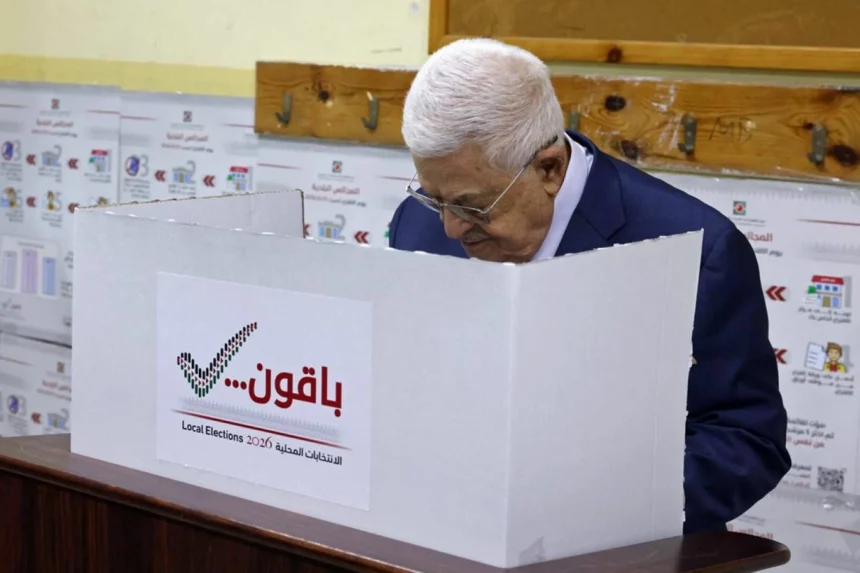
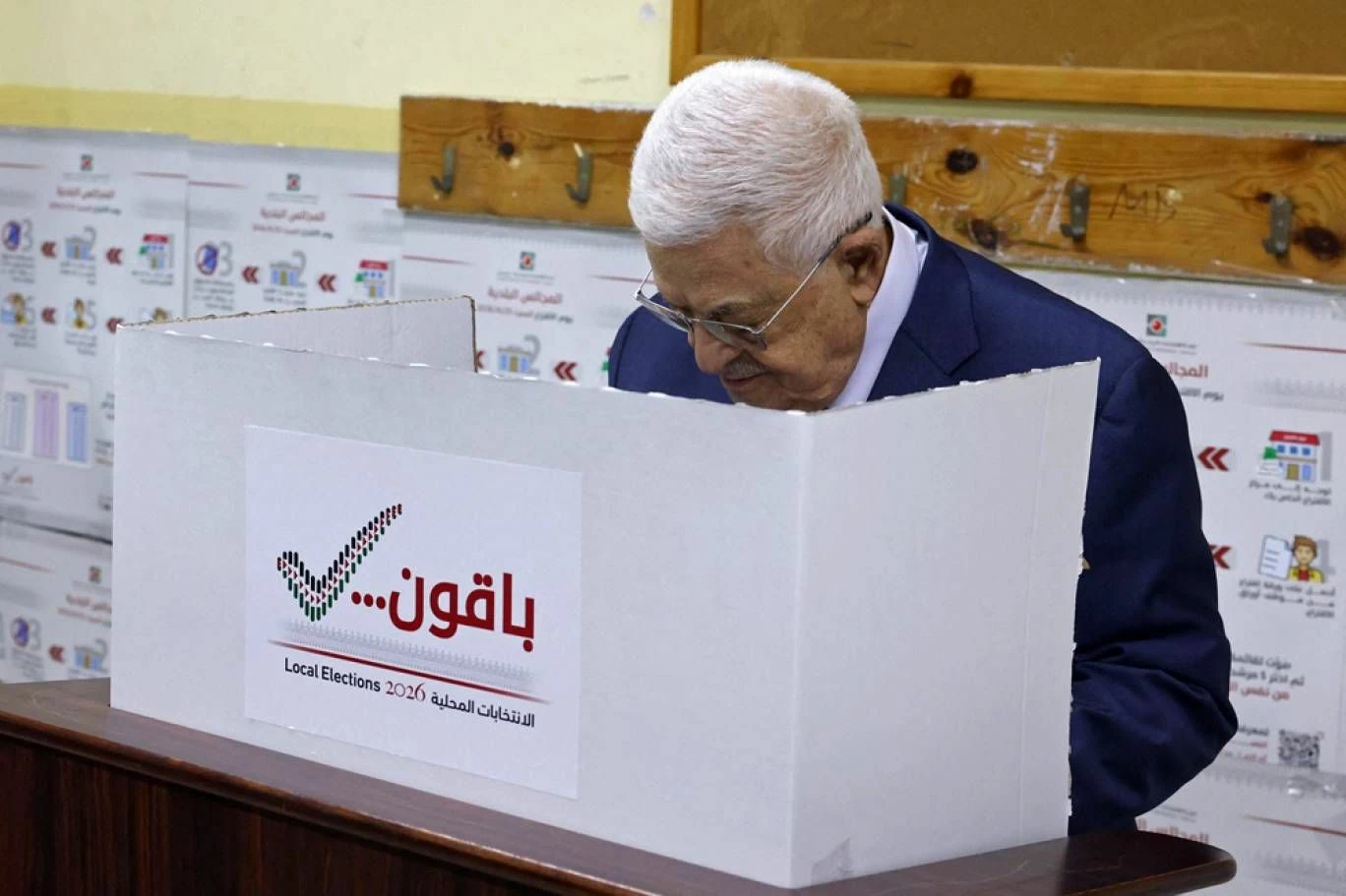
في اقتراع وُصف فلسطينياً بأنه اختبار سياسي في توقيت استثنائي، تصدرت قوائم محسوبة على حركة «فتح» وأنصار الرئيس الفلسطيني محمود عباس نتائج الانتخابات المحلية الفلسطينية، التي شملت الضفة الغربية ودير البلح وسط قطاع غزة، في أول مشاركة انتخابية من القطاع منذ نحو عقدين.وأعلنت لجنة الانتخابات المركزية الفلسطينية، نتائج الانتخابات المحلية 2026، التي جرت في 183 هيئة محلية، بينها بلدية دير البلح في قطاع غزة، مؤكدة أن العملية الانتخابية نُفذت في ظروف وصفتها بـ«بالغة التعقيد» وسط الحرب والنزوح وتضرر البنية المدنية في القطاع. وبحسب اللجنة، تجاوز عدد المقترعين 522 ألف ناخب وناخبة، بعد إدخال 95% من محاضر الفرز، فيما بلغت نسبة الاقتراع في الضفة الغربية 56%، مقابل 23% فقط في دير البلح، وهي النسبة التي أرجعتها اللجنة إلى ظروف النزوح، واعتماد سجل مدني لا يعكس الواقع الحالي في غزة. وحملت مشاركة دير البلح دلالة سياسية لافتة، إذ جاءت لتأكيد حضور غزة في المسار الانتخابي الفلسطيني، رغم اقتصار الاقتراع داخل القطاع على مدينة واحدة.وقال رئيس الوزراء الفلسطيني محمد مصطفى، إن إجراء الانتخابات في الضفة الغربية وجزئياً في قطاع غزة يمثل «خطوة أولى ومهمة» ضمن مسار وطني أوسع لترسيخ الحياة الديمقراطية، وتعزيز صمود المؤسسات.وأظهرت النتائج تقدماً لقوائم فتح ومؤيدي الرئيس عباس، في عدد من الهيئات المحلية، فيما أفادت تقارير دولية بأن الحركة حققت حضوراً قوياً في الضفة الغربية، مع فوزها بستة مقاعد من أصل 15 في دير البلح، مقابل مقعدين لقائمة مرتبطة بـ«حماس»، التي قاطعت الانتخابات رسمياً، ولم تقدم قوائم معلنة.ورغم احتفاء حركة فتح بالنتائج واعتبارها مؤشراً على حضورها السياسي، فإن القراءة الأوسع للاقتراع، تكشف مشهداً أكثر تعقيداً؛ إذ جرت الانتخابات في ظل غياب «حماس» عن المنافسة الرسمية، وحسم 197 هيئة محلية بالتزكية، إلى جانب ضعف المشاركة في بعض المدن الكبرى، وهو ما يطرح أسئلة حول مستوى التنافس، وحجم التعبير الشعبي في ظل الانقسام والحرب.وتُعد هذه الانتخابات المحلية الأولى، التي تشمل جزءاً من قطاع غزة منذ انتخابات 2006، كما تأتي بعد أكثر من عامين على اندلاع الحرب في غزة عقب هجوم السابع من أكتوبر 2023، في وقت تسعى السلطة الفلسطينية إلى تثبيت حضورها المؤسسي والسياسي، وطرح الاقتراع المحلي بوصفه مدخلاً محتملاً لاستحقاقات وطنية أوسع.In a vote described by Palestinians as a political test at an exceptional time, lists associated with the “Fatah” movement and supporters of Palestinian President Mahmoud Abbas topped the results of the Palestinian local elections, which included the West Bank and Deir al-Balah in the middle of the Gaza Strip, marking the first electoral participation from the sector in nearly two decades.The Palestinian Central Elections Commission announced the results of the 2026 local elections, which took place in 183 local bodies, including the municipality of Deir al-Balah in the Gaza Strip, confirming that the electoral process was carried out under conditions described as “extremely complex” amid war, displacement, and damage to the civilian infrastructure in the sector. According to the commission, the number of voters exceeded 522,000, after 95% of the counting reports were entered, while the voter turnout in the West Bank reached 56%, compared to only 23% in Deir al-Balah, a percentage attributed by the commission to displacement conditions and reliance on a civil registry that does not reflect the current reality in Gaza. The participation from Deir al-Balah carried a significant political implication, as it came to affirm Gaza’s presence in the Palestinian electoral process, despite the voting within the sector being limited to just one city.Palestinian Prime Minister Mohammad Mustafa stated that holding elections in the West Bank and partially in the Gaza Strip represents a “first and important step” within a broader national path to entrench democratic life and strengthen the resilience of institutions.The results showed an advance for Fatah lists and supporters of President Abbas in several local bodies, while international reports indicated that the movement achieved a strong presence in the West Bank, winning six out of 15 seats in Deir al-Balah, compared to two seats for a list linked to “Hamas,” which officially boycotted the elections and did not present announced lists.Despite Fatah celebrating the results and considering them an indicator of its political presence, a broader reading of the vote reveals a more complex scene; the elections were held in the absence of “Hamas” from the official competition, with 197 local bodies being decided by acclamation, alongside weak participation in some major cities, raising questions about the level of competition and the extent of popular expression amid division and war.These local elections are the first to include part of the Gaza Strip since the 2006 elections, and they come more than two years after the outbreak of war in Gaza following the attack on October 7, 2023, at a time when the Palestinian Authority seeks to solidify its institutional and political presence, presenting local voting as a potential gateway to broader national entitlements.