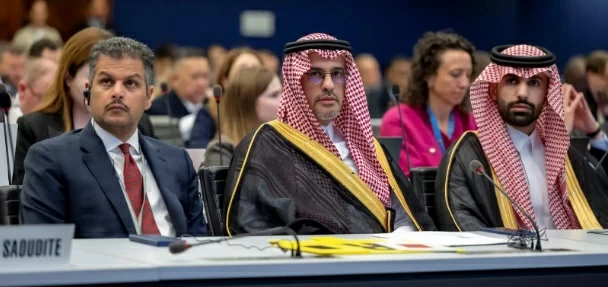
كشف محافظ هيئة الاتصالات والفضاء والتقنية المهندس هيثم العوهلي، أن النقلة النوعية التي شهدتها السعودية تعكس حجم التحولات التي أطلقتها رؤيتها 2030؛ إذ بلغ حجم الاقتصاد الرقمي نحو 139 مليار دولار، مساهماً بنحو 15% من الناتج المحلي، وارتفعت سرعة الإنترنت المتنقل من 9.2 ميغابت في الثانية عام 2017 إلى أكثر من 214 ميغابت اليوم، وأصبحت ضمن أفضل 10 دول عالميّاً في هذا المؤشر، فيما قفزت نسبة انتشار الإنترنت من 68% إلى نحو 100%.
ارتفاع مشاركة المرأة
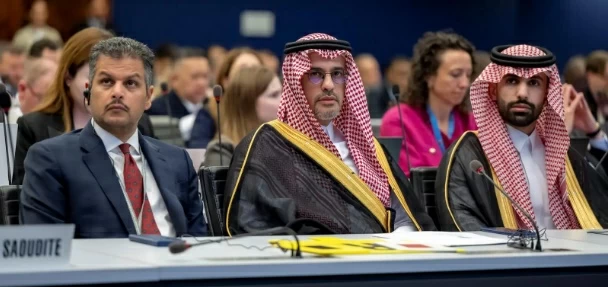
واستشهد العوهلي خلال مشاركة وفد المملكة برئاسته، في أعمال دورة مجلس الاتحاد الدولي للاتصالات 2026، بحضور المندوب الدائم للمملكة العربية السعودية لدى الأمم المتحدة في جنيف السفير عبدالمحسن بن خثيلة، المنعقدة في جنيف بسويسرا، بتحول المملكة على الصعيد التنظيمي والسياسات؛ إذ تقدمت إلى المرتبة الأولى عالميّاً في مؤشر الجاهزية الرقمية، وارتفعت مشاركة المرأة في قطاع التقنية من 7% إلى 35%، وهي النسبة الأعلى في منطقة الشرق الأوسط وشمال أفريقيا، متجاوزةً متوسطات مجموعة العشرين والاتحاد الأوروبي.
ردم الفجوة الرقمية
وأكد أن المملكة تواصل شراكتها الفاعلة مع الاتحاد لتحويل التقدم إلى مبادرات ذات أثر عالمي؛ ففي مجال ردم الفجوة الرقمية، أُعلنت خارطة طريق لربط البشرية وتعزيز الشمولية، خصوصاً في الدول النامية، إلى جانب إطلاق دراسة نموذج اقتصادي عالمي لدعم استدامة البنية التحتية الرقمية والاستثمار فيها، كما عملت مع الاتحاد على تدريب أكثر من 1,500 متخصص من 190 دولة عبر أكاديمية التنظيمات الرقمية، وأطلقت مبادرة لتمكين القيادات النسائية أسهمت في تدريب أكثر من 300 سيدة من الدول الأعضاء.
بناء أكثر من 6 غيغا واط
وفي مجال الذكاء الاصطناعي أوضح العوهلي أن المملكة تستهدف بناء أكثر من 6 غيغاواط من القدرة الحاسوبية بحلول عام 2030، مستثمرةً مزاياها التنافسية في وفرة الطاقة والأراضي والموارد الاستثمارية، وموقعها الإستراتيجي، بما يُسهم في ردم الفجوة الحاسوبية وخدمة الدول النامية والعالم أجمع، مواصلةً التزامها الراسخ برسالة الاتحاد الدولي للاتصالات في ربط البشرية، وبناء القدرات، وتعزيز الثقة، وتسخير التكنولوجيا لخدمة التنمية المستدامة.
يذكر أن مجلس الاتحاد الدولي للاتصالات يضم 48 دولة من ضمنها المملكة، وذلك من أصل 194 دولة عضواً في الاتحاد، ويُسيِّر المجلس أعمال الاتحاد في الفترات التي تقع بين مؤتمرات المندوبين المفوضين.
The Governor of the Communications, Space and Technology Authority, Engineer Haitham Al-Owaili, revealed that the qualitative leap witnessed by Saudi Arabia reflects the magnitude of the transformations launched by its Vision 2030; the size of the digital economy reached about 139 billion dollars, contributing approximately 15% of the GDP, and the speed of mobile internet increased from 9.2 megabits per second in 2017 to over 214 megabits today, placing it among the top 10 countries globally in this index, while the internet penetration rate jumped from 68% to nearly 100%.
Increase in Women’s Participation
During the participation of the Kingdom’s delegation, headed by him, in the works of the International Telecommunication Union Council 2026, attended by the Permanent Representative of the Kingdom of Saudi Arabia to the United Nations in Geneva, Ambassador Abdul Mohsen bin Khuthaila, held in Geneva, Switzerland, Al-Owaili cited the Kingdom’s transformation in regulatory frameworks and policies; it advanced to the first global rank in the Digital Readiness Index, and women’s participation in the technology sector rose from 7% to 35%, the highest percentage in the Middle East and North Africa, surpassing the averages of the G20 and the European Union.
Bridging the Digital Divide
He confirmed that the Kingdom continues its effective partnership with the Union to transform progress into initiatives with global impact; in the area of bridging the digital divide, a roadmap was announced to connect humanity and enhance inclusivity, especially in developing countries, alongside launching a study for a global economic model to support the sustainability of digital infrastructure and investment in it. Additionally, it worked with the Union to train more than 1,500 specialists from 190 countries through the Digital Regulatory Academy and launched an initiative to empower women leaders that contributed to training over 300 women from member states.
Building Over 6 Gigawatts
In the field of artificial intelligence, Al-Owaili clarified that the Kingdom aims to build over 6 gigawatts of computing power by 2030, leveraging its competitive advantages in energy abundance, land, investment resources, and its strategic location, which contributes to bridging the computing gap and serving developing countries and the world as a whole, continuing its steadfast commitment to the mission of the International Telecommunication Union in connecting humanity, building capacities, enhancing trust, and harnessing technology for sustainable development.
It is worth mentioning that the International Telecommunication Union Council includes 48 countries, including the Kingdom, out of a total of 194 member states in the Union, and the Council manages the Union’s affairs during the periods between the conferences of the Plenipotentiaries.