

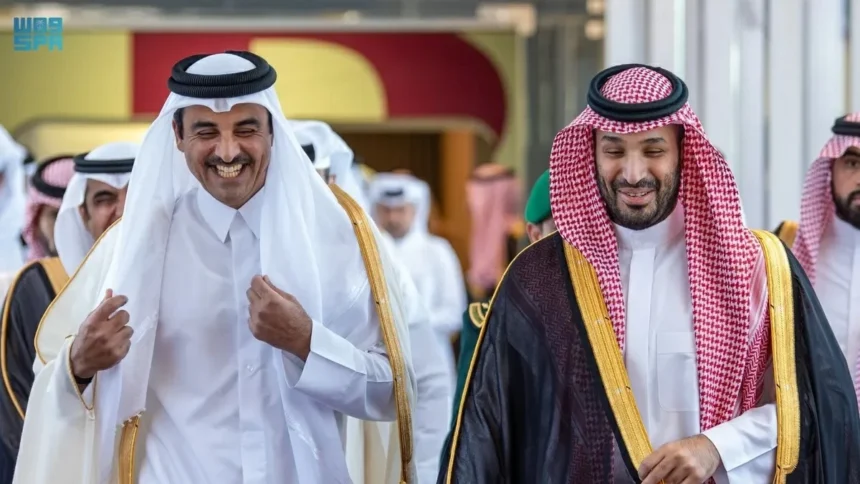
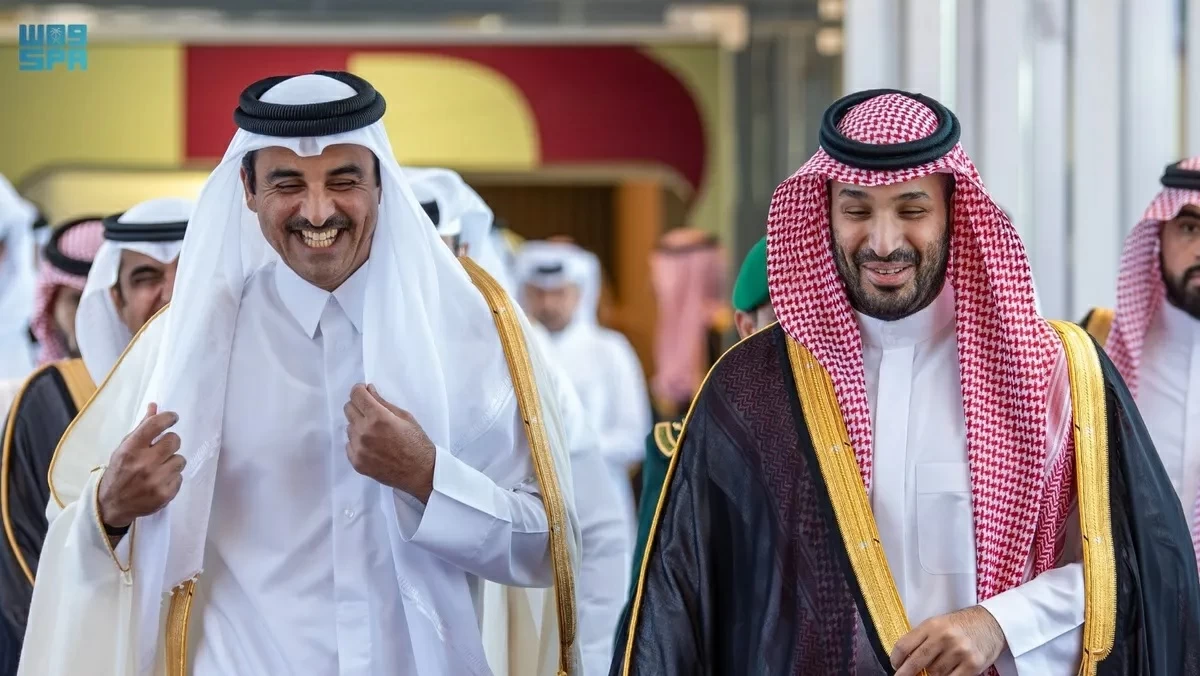
تعكس القمة الخليجية التشاورية التي اختتمت في جدة إدراكًا عميقًا من دول مجلس التعاون لحساسية المرحلة الراهنة، وخطورتها، وما تفرضه من تحديات متشابكة وجسيمةً تتطلب تنسيقًا عالي المستوى وتوحيدًا للرؤى والمواقف الخليجية.
فالقمة التشاورية لم تكن مجرد لقاء بروتوكولي، بل محطة إستراتيجية في مرحلة مفصليةً لتعزيز العمل الخليجي المشترك في ظل بيئة إقليمية ودولية متغيرة.
ويبرز من خلال هذه القمة حرص دول الخليج على ترسيخ نهج التشاور المستمر، بوصفه أداة فعالة لصياغة مواقف متزنة تدعم الحلول السلمية وتدفع باتجاه تغليب المسارات الدبلوماسية على منطق التصعيد الجاري في المنطقة. كما تعكس القمة التزامًا واضحًا بصون أمن المنطقة واستقرارها، انطلاقًا من قناعة راسخة بأن أمن دول الخليج مترابط ولا يتجزأ.
وفي سياق أوسع، تؤكد القمة أن دول مجلس التعاون تسعى إلى لعب دور فاعل ومؤثر في محيطها، ليس فقط من خلال إدارة الأزمات، بل أيضًا عبر الإسهام في بناء بيئة إقليمية أكثر استقرارًا، تتيح لشعوبها تحقيق تطلعاتها في التنمية والازدهار، وتعزز من مكانة المنطقة كشريك موثوق على الساحة الدولية.
وبذلك، تمثل القمة الخليجية التشاورية نموذجًا للعمل الجماعي القائم على الحكمة والمسؤولية، ورسالة واضحة بأن دول الخليج ماضية بثبات نحو تعزيز وحدتها وتكاملها في مواجهة التحديات وصناعة الفرص.
ومن الأهمية بمكان النظر للقمة التشاورية ليس فقط كتنسيق خليجي تقليدي، بل كجزء من إعادة تموضع إستراتيجي لدول مجلس التعاون في لحظة إقليمية شديدة التعقيد والتشابك.
وما تؤكده القمة أن وحدة الموقف لم تعد مجرد مطلب، بل تحول إلى ضرورة أمنية، فالتحديات الحالية من التوترات الإقليمية، إلى اضطرابات سلاسل الإمداد، إلى تهديدات الملاحة تفرض على دول الخليج الانتقال من التنسيق إلى ما يشبه «التكامل الوقائي»، حيث يتم استباق الأزمات بدل الاكتفاء بردّ الفعل عليها. القمة هنا تؤسس لآلية تفكير جماعي أكثر مرونة وسرعة في اتخاذ القرار.
وتعكس القمة تحوّلًا في أدوات التأثير الخليجي. في السابق، كان الثقل الخليجي يُقاس أساسًا بالطاقة والاقتصاد، أما اليوم فنحن أمام توسيع لهذا الدور ليشمل الوساطة السياسية وصناعة التوازنات، ودعم المسارات، وأداة نفوذ ناعمة تُستخدم لخفض التصعيد وفتح قنوات بين أطراف متنازعة، وهو ما يمنح دول الخليج موقع «الوسيط المقبول» دوليًا.
وهناك بُعد مهم يتعلق بإدارة العلاقة مع القوى الكبرى كون القمة تأتي في سياق عالم يتجه نحو تعددية قطبية، ما يفرض على دول الخليج انتهاج سياسة «توازن ذكي»، والتكثيف التشاوري بين القادة الخليجيين يهدف إلى توحيد مقاربة التعامل مع هذه القوى، بما يحفظ المصالح الإستراتيجية دون الانجرار إلى محاور متصارعة.
وليس هناك رأيان، في أن البعد الاقتصادي ليس منفصلًا عن الأمني في مسارات القمة كونهما مرتبطان في المنظومة الخليجية. والحديث عن الاستقرار لم يعد مجرد غاية سياسية، بل شرط أساسي لاستمرار مشاريع التحول الاقتصادي الكبرى في المنطقة.
فأي اضطراب أمني ينعكس مباشرة على الاستثمار، وسلاسل الإمداد، وثقة الأسواق. لذلك، القمة يمكن قراءتها كجزء من «حماية مكتسبات التنمية»، وليس فقط إدارة للأزمات.
وتحمل القمة رسالة مزدوجة: داخلية وخارجية. فداخليًا، تؤكد لشعوب دول الخليج أن هناك قيادة موحدة تدير التحديات بوعي واستباق. وخارجيًا، تبعث بإشارة واضحة أن دول الخليج ليست ساحة للتجاذبات، بل فاعل إقليمي يمتلك رؤية وموقفًا وقدرة على التأثير.
وكمحصلة.. تمثل القمة انتقالًا من مرحلة «التضامن السياسي» إلى مرحلة «الشراكة الإستراتيجية العميقة»، حيث يصبح التنسيق أداة لصناعة النفوذ، وليس فقط للحفاظ على الاستقرار. وهذا التحول—إن استمر—قد يعيد تعريف دور الخليج من لاعب إقليمي مهم إلى محور توازن رئيسي في النظام العالمي.
The Gulf Consultative Summit that concluded in Jeddah reflects a deep awareness among the Gulf Cooperation Council (GCC) countries of the sensitivity of the current phase, its dangers, and the complex and significant challenges it poses, which require high-level coordination and unification of Gulf visions and positions.
The consultative summit was not merely a protocol meeting, but a strategic station in a pivotal phase to enhance joint Gulf action in light of a changing regional and international environment.
This summit highlights the Gulf countries’ commitment to establishing a continuous consultation approach as an effective tool for formulating balanced positions that support peaceful solutions and promote diplomatic avenues over the ongoing escalation in the region. The summit also reflects a clear commitment to preserving the region’s security and stability, based on a firm conviction that the security of the Gulf states is interconnected and indivisible.
In a broader context, the summit confirms that the GCC countries seek to play an active and influential role in their surroundings, not only through crisis management but also by contributing to building a more stable regional environment that allows their peoples to achieve their aspirations for development and prosperity, and enhances the region’s status as a reliable partner on the international stage.
Thus, the Gulf Consultative Summit represents a model of collective action based on wisdom and responsibility, and a clear message that the Gulf states are steadily moving towards enhancing their unity and integration in the face of challenges and creating opportunities.
It is important to view the consultative summit not only as traditional Gulf coordination but as part of a strategic repositioning of the GCC countries at a moment of extreme regional complexity and interconnection.
The summit emphasizes that unity of position is no longer just a demand but has become a security necessity. The current challenges, from regional tensions to supply chain disruptions to maritime threats, compel the Gulf states to transition from coordination to something akin to “preventive integration,” where crises are anticipated rather than merely reacted to. The summit here establishes a mechanism for more flexible collective thinking and faster decision-making.
The summit reflects a transformation in the tools of Gulf influence. Previously, Gulf weight was primarily measured by energy and economy; today, we are witnessing an expansion of this role to include political mediation, balance-making, supporting pathways, and a soft power tool used to de-escalate tensions and open channels between conflicting parties, which grants the Gulf states the position of an “accepted mediator” internationally.
There is an important dimension related to managing relationships with major powers, as the summit comes in the context of a world moving towards multipolarity, which requires the Gulf states to adopt a policy of “smart balance.” The intensified consultations among Gulf leaders aim to unify their approach to dealing with these powers, preserving strategic interests without getting dragged into conflicting axes.
There is no doubt that the economic dimension is not separate from the security one in the summit’s pathways, as they are interconnected within the Gulf system. The discussion of stability is no longer just a political goal but a fundamental condition for the continuation of major economic transformation projects in the region.
Any security disturbance directly impacts investment, supply chains, and market confidence. Therefore, the summit can be read as part of “protecting development gains,” not just crisis management.
The summit carries a dual message: internal and external. Internally, it reassures the peoples of the Gulf states that there is a unified leadership managing challenges with awareness and foresight. Externally, it sends a clear signal that the Gulf states are not a battleground for rivalries but a regional actor with a vision, position, and ability to influence.
As a result, the summit represents a transition from a phase of “political solidarity” to a phase of “deep strategic partnership,” where coordination becomes a tool for shaping influence, not just for maintaining stability. This transformation—if sustained—could redefine the Gulf’s role from an important regional player to a main balancing hub in the global system.