


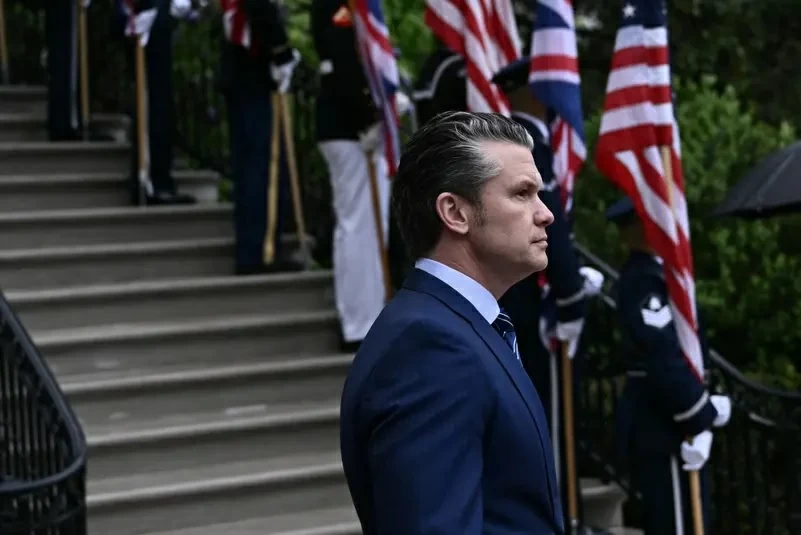
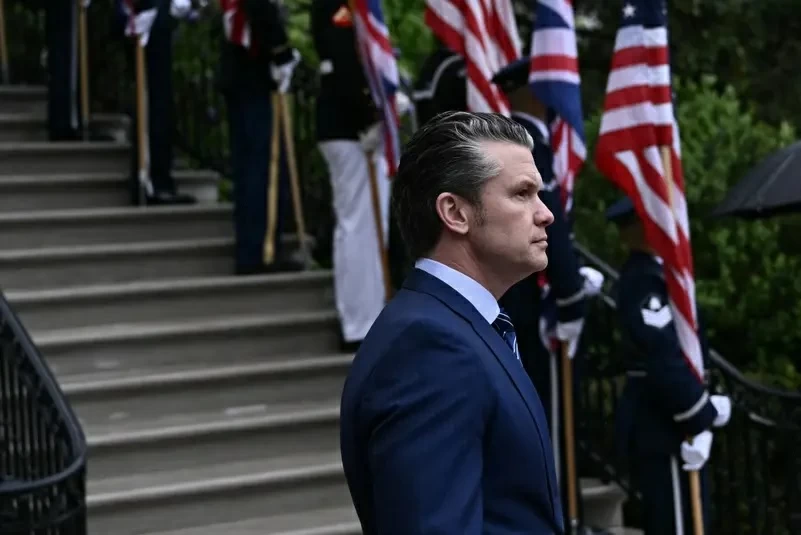
يمثل وزير الدفاع الأمريكي بيت هيغسيث، اليوم الأربعاء، أمام الكونغرس للإدلاء بإفادته الأولى بشأن الحرب في إيران، في وقت تتعثر فيه جهود إنهاء الصراع.
وتعقد هذه الجلسة في ظل انتقادات حادة من الحزبين الجمهوري والديمقراطي، بسبب ما وصفه مشرعون بغياب الشفافية وعدم تقديم إحاطات منتظمة حول تطورات الحرب، التي اندلعت أواخر فبراير الماضي بضربات أمريكية إسرائيلية مشتركة، وفق ما أوردت وكالة «فرانس برس».
ويتوقع أن يواجه هيغسيث، إلى جانب رئيس هيئة الأركان المشتركة الجنرال دان كاين، تساؤلات صعبة من لجنة القوات المسلحة في مجلس النواب، خصوصاً من الديمقراطيين الذين يطالبون بمحاسبته على إدارة النزاع.
وتشمل الانتقادات عدم العودة إلى الكونغرس قبل بدء العمليات العسكرية، رغم أن الدستور يمنح السلطة التشريعية حق إعلان الحرب، ما أثار جدلاً دستورياً وسياسياً واسعاً.
وطالب عدد من النواب بفتح تحقيق في مقتل جنود أمريكيين خلال الأيام الأولى من الحرب، وسط اتهامات للوزارة بتضليل الرأي العام بشأن ملابسات الهجمات.
ويرجح أن تتناول جلسة الكونغرس مسألة التمويل العسكري، في ظل طلب الإدارة زيادة ميزانية الدفاع بنسبة 42% لتصل إلى نحو 1.5 تريليون دولار بحلول 2027، وهو رقم غير مسبوق.
ويثير هذا الطلب مخاوف بشأن استنزاف الموارد العسكرية، خصوصاً مع الاستخدام المكثف لصواريخ وأسلحة استراتيجية محدودة المخزون.
وتمثل جلسة استجواب وزير الدفاع محطة مفصلية في مسار الحرب، إذ تعكس حجم الضغوط الداخلية، والتحديات العسكرية والاقتصادية التي تواجه الإدارة.
سياسياً، لا تزال المفاوضات مع إيران تراوح مكانها، في وقت يظل فيه مضيق هرمز، أحد أهم الممرات الحيوية لنقل النفط والغاز، مغلقاً فعلياً منذ اندلاع الحرب، ما أدى إلى اضطرابات كبيرة في الأسواق العالمية.
وتدرس واشنطن مقترحات إيرانية جديدة تتعلق بإعادة فتح المضيق، لكنها لم تحسم موقفها بعد، وسط شكوك متبادلة وتصعيد في الخطاب السياسي بين الطرفين.
تداعيات الحرب انعكست اقتصادياً على الداخل الأمريكي، مع ارتفاع أسعار الوقود، وزيادة الضغوط على الإدارة مع اقتراب انتخابات التجديد النصفي.
وتندرج هذه التطورات ضمن سياق إقليمي معقد، إذ تتداخل الحرب مع ملفات أوسع، أبرزها البرنامج النووي الإيراني، وأمن الملاحة في الخليج، والتوازنات الدولية. وتتزامن مع تصاعد التوتر بين واشنطن وبعض حلفائها الأوروبيين، في ظل اختلاف الرؤى حول إدارة الصراع وسبل إنهائه.
U.S. Defense Secretary Pete Hegseth is testifying before Congress today, Wednesday, to give his first statement regarding the war in Iran, at a time when efforts to end the conflict are stalled.
This session is being held amid sharp criticism from both the Republican and Democratic parties, due to what lawmakers describe as a lack of transparency and the failure to provide regular briefings on the developments of the war, which erupted in late February with joint U.S.-Israeli strikes, according to the French news agency “AFP.”
Hegseth, along with Chairman of the Joint Chiefs of Staff General Dan Kine, is expected to face tough questions from the House Armed Services Committee, particularly from Democrats who are demanding accountability for the management of the conflict.
The criticisms include not returning to Congress before the commencement of military operations, despite the Constitution granting the legislative branch the right to declare war, which has sparked widespread constitutional and political debate.
A number of lawmakers have called for an investigation into the deaths of American soldiers during the early days of the war, amid accusations against the department of misleading public opinion regarding the circumstances of the attacks.
The congressional session is likely to address military funding, as the administration has requested a 42% increase in the defense budget to reach about $1.5 trillion by 2027, a record figure.
This request raises concerns about the depletion of military resources, especially with the intensive use of missiles and strategically limited stockpiles of weapons.
The interrogation session of the Defense Secretary represents a pivotal moment in the course of the war, reflecting the extent of internal pressures and the military and economic challenges facing the administration.
Politically, negotiations with Iran remain stagnant, while the Strait of Hormuz, one of the most vital corridors for transporting oil and gas, has been effectively closed since the outbreak of the war, leading to significant disruptions in global markets.
Washington is considering new Iranian proposals regarding the reopening of the strait, but it has not yet made a definitive stance, amid mutual suspicions and escalating political rhetoric between the two sides.
The repercussions of the war have economically impacted the U.S. interior, with rising fuel prices and increasing pressures on the administration as the midterm elections approach.
These developments fall within a complex regional context, as the war intertwines with broader issues, most notably the Iranian nuclear program, maritime security in the Gulf, and international balances. This coincides with rising tensions between Washington and some of its European allies, amid differing views on managing the conflict and ways to end it.