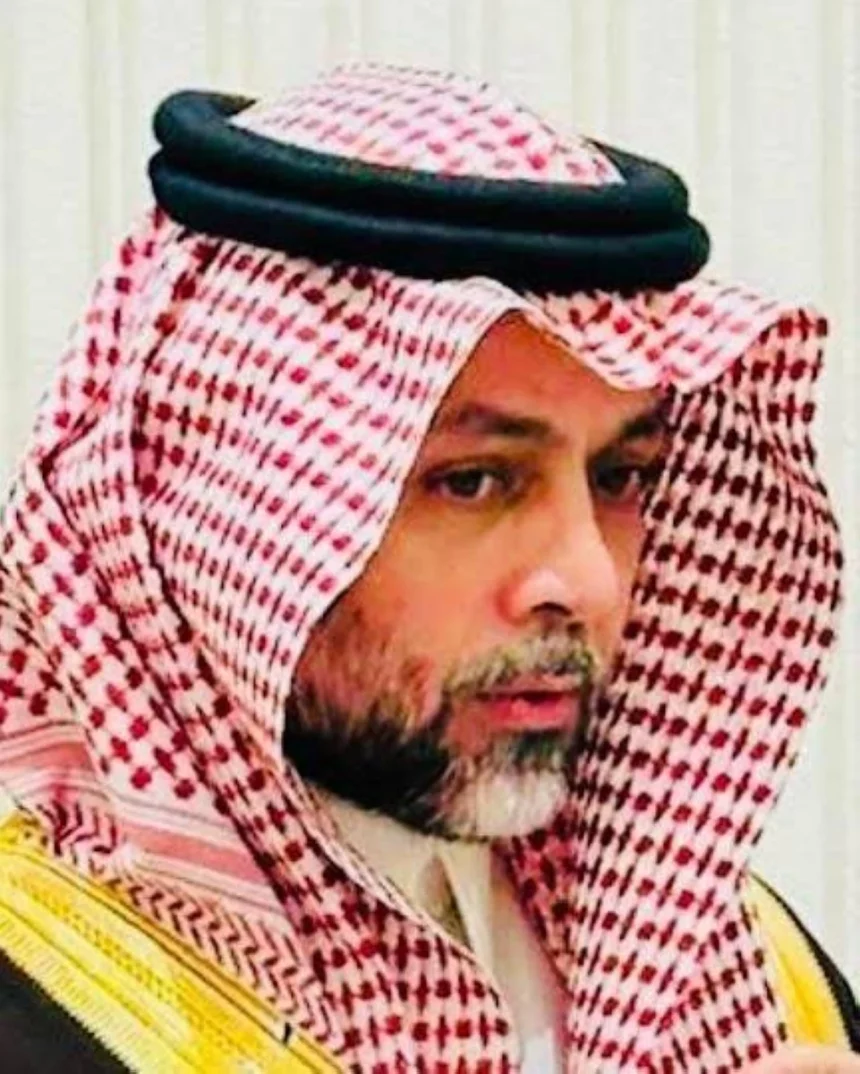
أمير شاب.. مُحنّك..
وسياسيٌّ فذٌّ.. مُعلِّمٌ..
ومثقفٌ من طراز نادر..
كبير هو المسؤول المثقف الواعي الذي يجادل بعلم ويناقش بحكمة ومعرفة..
وكبير هو أيضاً إذا بانت آثار التعليم المميز على أدائه في مسؤوليته..
ليست الأعوام وحدها ما تقاس بالعشرين، بل ما تتركه في الروح من تهذيب، وفي العقل من اتساع، وفي المهنة من معنى. وعشرون عاماً من القرب الإداري ليست مجرد (مدة خدمة) بل مدرسةٌ كاملة، تتعلّم فيها أن القيادة ليست ضجيج قرار، بل حكمة توقيت، وأن الدولة لا تُدار بالصوت العالي، بل بالعقل الهادئ، وبالكلمة التي تعرف أين تقف ومتى تُقال. أكتب اليوم لا احتفاءً بالزمن.. بل وفاءً لما علّمه الزمن في حضرة قائدٍ مثقف: الأمير خالد بن بندر بن سلطان بن عبدالعزيز.
عشرون عاماً جمعتني به –حفظه الله– في فضاء العمل اليومي، ورأيت خلالها كيف يمكن للمنصب أن يزداد تواضعًا كلما ازداد ثقلًا، وكيف يمكن للمسؤول أن يكون قريبًا من الناس دون أن يفقد هيبته، وأن يحفظ هيبته دون أن يتعالى على أحد.
فسمعته مرات عديدة يرتقي بحديثه ليلامس فكر المثقفين، ويتواضع أحياناً ليسمع عموم المتحدثين، وكان لكلامه طعم خاص، ولنبرة حديثه لون مميز يشد السامعين، وللتواضع المعروف عنه معنى كبير يقربه من الناس ويقرب الناس منه، لقد تعلمتُ منه أشياءَ كثيرة، من أجملها تواضعه الجَمّ، والصراحة المُطْلقة، فهو صاحب أدب راقٍ، هادئ الطباع، منضبط في مواعيده، قليل الكلام، فمن تعامل معه يُدرك ذكاءه الفائق، ودهاءه الذي يجعل الجالسين حوله يريدونه أن يقول المزيد، إلا أنه كان يكتفي بالكلام المفيد.
يربط الثقافة بالسياسة، والسياسة بالثقافة، وكان رأيه أن الثقافة سياسة على مستوى النظر، وأن السياسة ثقافة على مستوى الممارسة، يسميها بالثقافة السياسية، قناعته أن التمهيد للسياسة يكون بالثقافة وتحقيق الثقافة في السياسة، وبدونها تصبح الثقافة منعزلة عن الواقع الذي تعمل فيه، وتصبح السياسة مجرد غوغائية وقوة وتسلط. دائما يردد أن المساواة والعدالة وحقوق الإنسان والمواطنه والقانون كلها تكتمل باكتمال مفهوم الثقافة السياسية والسياسة المثقفة. فتغيير العقول والأذهان بوجهة نظره يسبق تغيير المجتمعات والنظم السياسية، وكان يشيد بمؤلفات هردر، ولسنج، وكانط.
ومن خلال هذا المفهوم فحق على الجميع أن يعلم بأن الأمير محمد بن سلمان بن عبدالعزيز ومنذ استلامه مهامه فهو يعمل على دعم الثقافة والإعلام والاقتصاد، فبها تكتمل السياسة الصحيحة التي تطالب بها الشعوب. لإيمانه بأن هذا لن يتحقق إلاَّ بتكامل سلطة المثقف وثقافة السلطة، تكاملاً عضوياً، وهذا بدوره يؤدي إلى رفاهية المجتمع وتحقيق العدل والمساواة. وهي مهمة ليست بالعسيرة ولا باليسيرة، لكنها تتطلب جهداً مستمراً وعملاً دؤوباً كما هو العمل الحاصل اليوم في مكتب ولي العهد ليلاً ونهاراً. ولا شك أن الأمير محمد بن سلمان أصبح مِثالاً رائعاً للشباب السعودي المثقف والطموح. ولأن قائد التحول شاب مثقف، فإن عدته في ذلك التحول هم الشباب المثقفون، وعليهم يقع الحمل الأكبر في تنفيذ رؤية الملك وطموح الأمير.
فالأمير خالد وبحكم دراسته بتخصص الآداب معجب بشكل كبير بالثقافة الإنجليزية/البريطانية، فكان يردد أن الثقافة الإنجليزية مجموعة مكونات مهمة تعكس عمق تأثيرها في المجتمع، من بينها الأدب، فقد قرأ للأديب الإنجليزي الأشهر ويليام شكسبير، لا ككاتب مسرح فحسب، بل كفيلسوفٍ متنكرٍ في هيئة شاعر.. يضع الإنسان عارياً أمام نفسه، ويكشف أن السلطة إذا خلت من البصيرة تحولت إلى مأساة، وأن الطموح إذا لم تهذّبه الأخلاق يصبح سكيناً في يد صاحبه.
ومن الفكر.. كان يتأمل توماس هوبز حين يتحدث عن الدولة باعتبارها ضرورةً لضبط الفوضى، لا غايةً لابتلاع الإنسان، ويقرأ برتراند راسل بوصفه صوتاً للعقل النقدي الذي يرفض تقديس الفكرة لمجرد أنها شائعة، ويُذكّر بأن الحضارة تبدأ حين يُصبح الشكّ أداةً للبحث لا ذريعةً للهدم.
وكان يرى أن جوهر الثقافة الإنجليزية يتجلّى في معنى عميق: أن سيادة القانون ليست نصاً جامداً، بل أخلاقٌ عامة، وأن المؤسسات ليست مباني، بل ذاكرة الدولة، وأن احترام النظام ليس خوفاً، بل قناعة بأن الفوضى تبتلع الضعيف قبل القوي. لذلك كان يقدّر في هذا المجتمع قيم المسؤولية واحترام الوقت والعمل المنظم والالتزام. تلك القيم التي لا تصنع إنجازاً عابراً، بل تصنع (عادة دولة).
ومع إعجابه العميق بالثقافة الإنجليزية/البريطانية، لم يكن ذلك الإعجاب عنده انبهاراً بالآخر، بقدر ما هو وعيٌ بالاختلاف واحترامٌ لقيمة التجارب الإنسانية المتنوعة. غير أن أجمل ما في الأمير خالد -كما عرفته- أنه كلما قرأ ثقافةً أخرى عاد إلى الثقافة السعودية أشدّ اعتزازاً بها، لا بوصفها ماضياً يُستدعى، بل بوصفها جذراً حيّاً يمدّ الدولة بالمعنى، ويمنح السياسة ضميرها الاجتماعي.
كان يرى في الإرث السعودي مدرسةً مستقلة، إرثٌ يصنع الإنسان قبل أن يصنع النظام، حيث تتقدّم المروءة على المظهر، والوفاء على الخطابة، والكرم على الحساب، والاحترام على الجدل.
وفي المجلس السعودي -كما يراه- تتجلّى فلسفة الحكم الهادئ.. الإصغاء قبل الرد، وتقدير الكبير، ورعاية خاطر الصغير، وأن يكون للحديث ميزانٌ أخلاقي قبل أن يكون له وزنٌ سياسي.
ومن هنا كان يميّز بين تقاليدٍ تُؤسِّس النظام وتقاليد تُؤسِّس الانتماء، فالتقاليد الإنجليزية تقوم في كثيرٍ من تجلياتها على صرامة المؤسسة، وهدوء السلوك العام، واحترام المسافة، ودقة الوقت، وتقديس الإجراء، كأنها تقول: (استقامة الدولة تبدأ من استقامة القواعد).
أما التقاليد السعودية فتقوم -بعمقها الاجتماعي- على حرارة العلاقة، وصدق الحضور، ومركزية الأسرة، وكرامة الضيف، وروح النخوة، ومقام الدين في تهذيب السلوك، كأنها تقول: (هيبة الدولة تبدأ من هيبة الإنسان).
والتمايز هنا لا يعني تضاداً، بل يكشف أن لكل حضارة طريقها في صناعة الاستقرار، فالإنجليز يُحسنون بناء الاستمرارية المؤسسية حتى تبدو الدولة كساعة لا تتعطل، والسعوديون يُحسنون بناء الاستمرارية القيمية حتى يبدو المجتمع كجسدٍ واحد لا يتفكك. وهنا تتجلى حكمة الأمير خالد، أنه يلتقط من التجربة الإنجليزية انضباطها وصرامتها الهادئة، ثم يُعيد قراءتها بعينٍ سعودية تُضيف إليها الروح والإنسان، دون أن تُفرِّط في النظام.
كان يُعجب بثقافة القانون هناك، لكنه يزداد يقيناً بأن القانون عندنا مكتمل بإسناده ضميرٌ اجتماعي يحرُس العدل من الجفاف، وتُسنده قيمٌ تُحوِّل الواجب من خوفٍ إلى قناعة. ولذلك كان يرى أن أعظم ما تملكه المملكة العربية السعودية ليس الموارد ولا الجغرافيا وحدها.. بل ميراثها الأخلاقي الذي يصنع احترام الناس للدولة، قبل أن تصنع الدولة احترامها للناس.
هكذا كان الأمير خالد في نظري، مسؤولاً يحمل السياسة في يد، والثقافة في يدٍ أخرى، ثم يضيف إليهما يداً ثالثة لا يراها كثيرون.. يد الإرث السعودي، ذلك الإرث الذي يمنح القرار شرفه، ويمنح المنصب إنسانيته.
وفي زمنٍ تُستهلك فيه الكلمات سريعاً، كان يُعيد للكلمة معناها.. أن تكون جسراً بين العقل والهيبة، وبين النظام والإنسان، وبين تجربة الآخر واعتزاز الذات وبين الفكرة والمصير.
A young prince… seasoned…
And an exceptional politician… a teacher…
And a cultured individual of a rare caliber…
Great is the aware cultured official who debates with knowledge and discusses with wisdom and understanding…
And great is he also if the effects of distinguished education are evident in his performance in his responsibilities…
It is not just the years that are measured by twenty, but what they leave in the soul in terms of refinement, in the mind in terms of expansion, and in the profession in terms of meaning. Twenty years of administrative proximity are not just a (period of service) but a complete school, where one learns that leadership is not the noise of a decision, but the wisdom of timing, and that the state is not managed by loud voices, but by a calm mind, and by words that know where to stand and when to be said. I write today not to celebrate time… but in loyalty to what time has taught in the presence of a cultured leader: Prince Khalid bin Bandar bin Sultan bin Abdulaziz.
Twenty years brought me together with him – may God protect him – in the realm of daily work, during which I saw how a position can become more humble the heavier it becomes, and how a responsible person can be close to the people without losing his dignity, and maintain his dignity without being arrogant towards anyone.
For I heard him many times elevate his speech to touch the minds of intellectuals, and sometimes humble himself to listen to the general speakers. His words had a special flavor, and the tone of his speech had a distinctive color that captivated listeners. His well-known humility has a great meaning that brings him closer to the people and brings the people closer to him. I learned many things from him, among the most beautiful of which is his immense humility and absolute honesty. He is a person of refined manners, calm temperament, punctual, and speaks little. Those who interact with him realize his exceptional intelligence and cunning, which makes those sitting around him want him to say more, yet he contented himself with useful speech.
He connects culture with politics, and politics with culture. His opinion is that culture is politics at the level of vision, and that politics is culture at the level of practice. He calls it political culture, believing that the groundwork for politics is laid by culture and the realization of culture in politics. Without it, culture becomes isolated from the reality in which it operates, and politics becomes mere chaos, force, and tyranny. He always repeats that equality, justice, human rights, citizenship, and law all complete with the completion of the concept of political culture and cultured politics. Changing minds, in his view, precedes changing societies and political systems, and he praised the works of Herder, Lessing, and Kant.
Through this concept, it is right for everyone to know that Prince Mohammed bin Salman bin Abdulaziz, since taking on his duties, has been working to support culture, media, and the economy, for this is how the correct politics demanded by the people is completed. He believes that this can only be achieved through the organic integration of the authority of the intellectual and the culture of power, which in turn leads to the welfare of society and the realization of justice and equality. This is a task that is neither easy nor difficult, but it requires continuous effort and diligent work, as is the work being done today in the Crown Prince’s office day and night. There is no doubt that Prince Mohammed bin Salman has become a wonderful example for the educated and ambitious Saudi youth. And because the leader of transformation is a cultured young man, his tools in that transformation are the educated youth, who bear the greatest burden in implementing the vision of the king and the aspirations of the prince.
Prince Khalid, due to his studies in the field of literature, is greatly impressed by English/British culture. He often repeated that English culture is a collection of important components that reflect its deep impact on society, among which is literature. He has read the works of the most famous English writer, William Shakespeare, not just as a playwright but as a philosopher disguised as a poet… laying bare the human before himself, revealing that power, if devoid of insight, turns into tragedy, and that ambition, if not refined by ethics, becomes a knife in the hands of its owner.
From thought… he contemplated Thomas Hobbes when he speaks of the state as a necessity to control chaos, not as a means to swallow humanity, and he reads Bertrand Russell as a voice of critical reason that rejects the sanctification of an idea merely because it is popular, reminding that civilization begins when doubt becomes a tool for inquiry, not a pretext for destruction.
He saw that the essence of English culture is manifested in a profound meaning: that the rule of law is not a rigid text, but a public morality, and that institutions are not buildings, but the memory of the state, and that respecting the system is not fear, but a conviction that chaos devours the weak before the strong. Therefore, he appreciated in this society the values of responsibility, respect for time, organized work, and commitment. Those values do not create transient achievements, but create (the habit of a state).
With his deep admiration for English/British culture, this admiration for him was not an awe of the other, but rather an awareness of difference and respect for the value of diverse human experiences. However, the most beautiful thing about Prince Khalid – as I have known him – is that every time he reads another culture, he returns to Saudi culture with even greater pride, not as a past to be summoned, but as a living root that provides the state with meaning and grants politics its social conscience.
He saw in the Saudi heritage an independent school, a legacy that shapes the human before it shapes the system, where nobility precedes appearance, loyalty precedes rhetoric, generosity precedes accounting, and respect precedes debate.
In the Saudi council – as he sees it – the philosophy of calm governance is manifested… listening before responding, valuing the elder, caring for the feelings of the younger, and ensuring that speech has an ethical balance before it has a political weight.
From here, he distinguished between traditions that establish the system and traditions that establish belonging. The English traditions, in many of their manifestations, are based on the rigor of the institution, the calmness of public behavior, respect for distance, punctuality, and the sanctity of procedure, as if to say: (The integrity of the state begins with the integrity of the rules).
As for the Saudi traditions, they are based – in their social depth – on the warmth of relationships, the sincerity of presence, the centrality of the family, the dignity of the guest, the spirit of honor, and the place of religion in refining behavior, as if to say: (The dignity of the state begins with the dignity of the human).
The distinction here does not mean opposition, but reveals that each civilization has its own path in creating stability. The English excel in building institutional continuity so that the state appears like a clock that does not stop, while the Saudis excel in building value continuity so that society appears as a single body that does not disintegrate. Here lies the wisdom of Prince Khalid, as he captures from the English experience its discipline and calm rigor, then reinterprets it with a Saudi perspective that adds spirit and humanity, without compromising on the system.
He admired the culture of law there, but he became increasingly convinced that the law in our country is complete with a social conscience that guards justice from dryness, and is supported by values that transform duty from fear into conviction. Therefore, he saw that the greatest asset of the Kingdom of Saudi Arabia is not just resources or geography… but its moral legacy that creates people’s respect for the state, before the state creates its respect for the people.
This is how I saw Prince Khalid, a responsible person who carries politics in one hand and culture in the other, then adds a third hand that many do not see… the hand of Saudi heritage, that heritage that grants dignity to the decision and humanity to the position.
In an age where words are consumed quickly, he restored meaning to the word… to be a bridge between reason and dignity, between the system and the human, between the experience of the other and self-esteem, and between the idea and destiny.