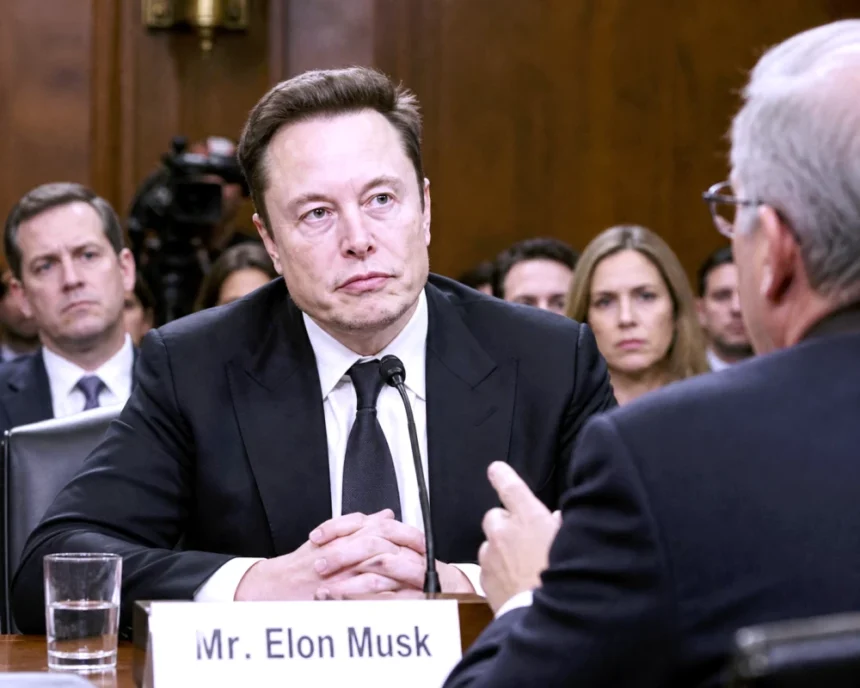
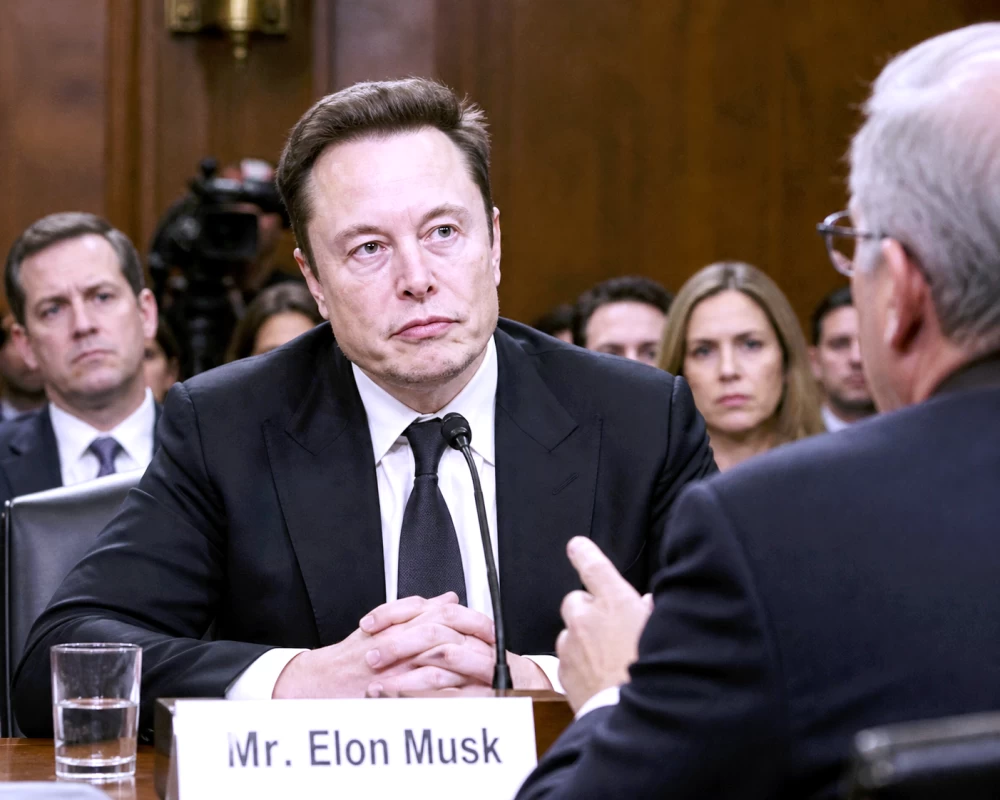
اعترف رجل الأعمال الملياردير الأمريكي إيلون ماسك عبر شهادة أمام محكمة فيدرالية في ولاية كاليفورنيا أن شركته الناشئة xAI استخدمت نماذج طوّرتها OpenAI لتحسين نماذجها الخاصة المُستخدمة في روبوت Grok.
وتركّز النقاش حول تقنية تُعرف باسم (تقطير النماذج)؛ وهي أسلوب شائع يعتمد على استخدام نموذج ذكاء اصطناعي كبير بوصفه «مُعلّماً» لنقل المعرفة إلى نموذج أصغر. وتُستخدم هذه التقنية داخل الشركات بنحو مشروع لتطوير نسخ أكثر كفاءة وأقل تكلفة، لكنها تُستغل أحياناً لمحاكاة أداء نماذج منافسة.
وخلال الاستجواب، أوضح ماسك أن تقطير النماذج يعني ببساطة استخدام نموذج لتدريب آخر. وعند سؤاله عن استخدام xAI تقنيات OpenAI مباشرةً، تجنّب الرد بإجابة حاسمة، مشيراً إلى أن «كافة شركات الذكاء الاصطناعي تفعل ذلك».
وأضاف ماسك أن «استخدام نماذج أخرى للتحقق من أداء الأنظمة يُعد ممارسة معيارية في قطاع الذكاء الاصطناعي»، في إشارة إلى انتشار هذه الأساليب بين الشركات.
وتعود خلفية القضية إلى نزاع قانوني بين إيلون ماسك وشركة OpenAI حول مسارها منذ التأسيس؛ إذ يتهم ماسك الشركة بالتخلي عن هدفها الأصلي كمنظمة غير ربحية تُطوّر الذكاء الاصطناعي لخدمة البشرية، والتحول إلى كيان ربحي مدعوم باستثمارات ضخمة لتحقيق مكاسب تجارية.
The American billionaire businessman Elon Musk admitted in testimony before a federal court in California that his startup xAI used models developed by OpenAI to enhance its own models used in the Grok robot.
The discussion focused on a technique known as model distillation; a common method that relies on using a large artificial intelligence model as a “teacher” to transfer knowledge to a smaller model. This technique is used within companies in a legitimate manner to develop more efficient and cost-effective versions, but it is sometimes exploited to mimic the performance of competing models.
During the questioning, Musk clarified that model distillation simply means using one model to train another. When asked about xAI’s direct use of OpenAI technologies, he avoided giving a definitive answer, stating that “all AI companies do that.”
Musk added that “using other models to validate system performance is a standard practice in the AI sector,” referring to the prevalence of these methods among companies.
The background of the case stems from a legal dispute between Elon Musk and OpenAI regarding its trajectory since its founding; Musk accuses the company of abandoning its original goal as a nonprofit organization developing artificial intelligence for the benefit of humanity, and transforming into a profit-driven entity supported by massive investments for commercial gains.