


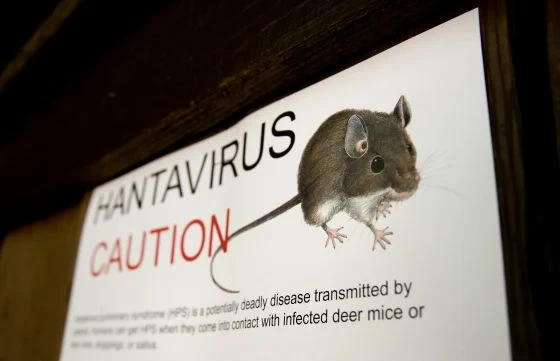
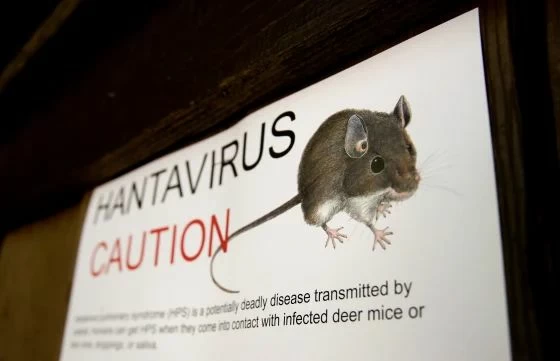
كشفت تقارير طبية عن اشتباه بانتشار فايروس «هانتا» المنقول عبر القوارض على متن سفينة سياحية في المحيط الأطلسي، ما أدى إلى وفاة ثلاثة أشخاص وإصابة آخرين، في حادثة صحية أثارت قلقاً واسعاً في الأوساط الطبية.
وأعلنت منظمة الصحة العالمية، تسجيل 6 حالات إصابة بين ركاب السفينة، توفي ثلاثة منهم.
«هونديوس» في دائرة الاشتباه
ورغم عدم إفصاح المنظمة عن اسم السفينة، أفادت مصادر مطلعة بأنها تُدعى «إم.في هونديوس»، وكانت في رحلة بحرية من الأرجنتين باتجاه الرأس الأخضر، قبل أن تتحول إلى بؤرة لانتشار المرض.
فايروس قديم.. وظهور حديث
وتشير الدراسات إلى أن فايروسات «هانتا» معروفة منذ قرون، إذ سُجلت في آسيا وأوروبا، وارتبطت في بعض المناطق بحمى نزفية وفشل كلوي، فيما ظهر نوع جديد منها في الولايات المتحدة خلال تسعينيات القرن الماضي، مسبباً مرضاً تنفسياً حاداً يُعرف بـ«متلازمة هانتا الرئوية».
واكتسب الفايروس اهتماماً عالمياً متجدداً العام الماضي، عقب وفاة بيتسي أراكاوا، زوجة الممثل الراحل جين هاكمان، نتيجة إصابتها بالعدوى في ولاية نيو مكسيكو.
كيف ينتقل الفايروس؟
تؤكد منظمة الصحة العالمية أن «هانتا» ينتقل أساساً عبر القوارض، من خلال ملامسة بولها أو لعابها أو فضلاتها، خصوصاً في الأماكن المغلقة ضعيفة التهوية، حيث يمكن أن ينتشر عبر الهواء عند تحريك هذه المواد.
وفي حالات نادرة، قد ينتقل الفايروس بين البشر، ما يزيد من مخاوف انتشاره في البيئات المغلقة.
يبدأ المرض عادة بأعراض شبيهة بالإنفلونزا، مثل الحمى والقشعريرة وآلام العضلات والصداع، قبل أن تتطور الحالة سريعاً لدى بعض المرضى إلى ضيق في التنفس نتيجة امتلاء الرئتين بالسوائل.
ويحذر مختصون من صعوبة التمييز بين «هانتا» والإنفلونزا في المراحل الأولى، ما قد يؤخر التشخيص والعلاج.
معدلات وفيات مقلقة
تشير بيانات صحية إلى أن «متلازمة هانتا الرئوية» تُعد الأكثر خطورة، إذ تصل نسبة الوفيات فيها إلى نحو 35%، بينما تتراوح نسبة الوفيات في النوع المرتبط بالفشل الكلوي بين 1% و15%.
ورغم التقدم العلمي، لا يوجد حتى الآن علاج محدد لفيروس «هانتا»، إلا أن التدخل الطبي المبكر يعزز فرص النجاة.
ويؤكد خبراء أن الوقاية تبقى الوسيلة الأهم، عبر تقليل الاحتكاك بالقوارض وفضلاتها، واستخدام وسائل الحماية أثناء التنظيف، مع تجنب الكنس أو استخدام المكانس الكهربائية التي قد تنشر الفايروس في الهواء.
Medical reports have revealed suspicions of the spread of the “Hanta” virus, transmitted by rodents, aboard a cruise ship in the Atlantic Ocean, leading to the deaths of three people and the infection of others, in a health incident that has raised widespread concern in medical circles.
The World Health Organization announced the registration of 6 cases of infection among the ship’s passengers, three of whom have died.
“Hondius” Under Suspicion
Although the organization did not disclose the name of the ship, informed sources reported that it is called “MV Hondius,” and was on a cruise from Argentina to Cape Verde before it became a hotspot for the spread of the disease.
An Old Virus… with a Recent Emergence
Studies indicate that “Hanta” viruses have been known for centuries, having been recorded in Asia and Europe, and have been associated in some regions with hemorrhagic fever and kidney failure. A new type emerged in the United States during the 1990s, causing a severe respiratory illness known as “Hantavirus Pulmonary Syndrome.”
The virus gained renewed global attention last year following the death of Betsy Arakawa, the wife of the late actor Gene Hackman, due to infection in New Mexico.
How is the Virus Transmitted?
The World Health Organization confirms that “Hanta” is primarily transmitted through rodents, via contact with their urine, saliva, or droppings, especially in poorly ventilated enclosed spaces, where it can spread through the air when these materials are disturbed.
In rare cases, the virus may be transmitted between humans, increasing concerns about its spread in closed environments.
The disease typically begins with flu-like symptoms, such as fever, chills, muscle aches, and headaches, before rapidly progressing in some patients to shortness of breath due to fluid accumulation in the lungs.
Experts warn of the difficulty in distinguishing between “Hanta” and influenza in the early stages, which may delay diagnosis and treatment.
Concerning Mortality Rates
Health data indicate that “Hantavirus Pulmonary Syndrome” is considered the most severe, with a mortality rate of about 35%, while the mortality rate for the type associated with kidney failure ranges between 1% and 15%.
Despite scientific advancements, there is currently no specific treatment for the “Hanta” virus; however, early medical intervention enhances survival chances.
Experts emphasize that prevention remains the most important means, by reducing contact with rodents and their droppings, using protective measures during cleaning, and avoiding sweeping or using vacuum cleaners that may spread the virus into the air.