


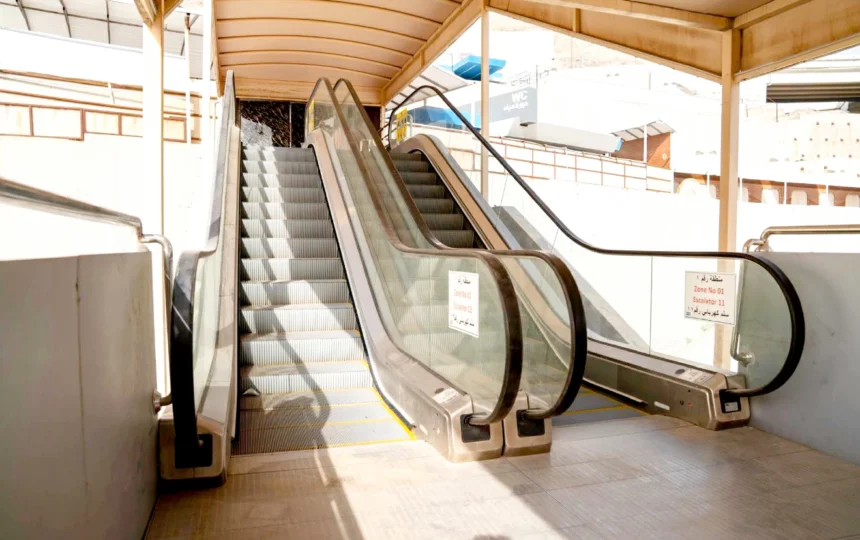
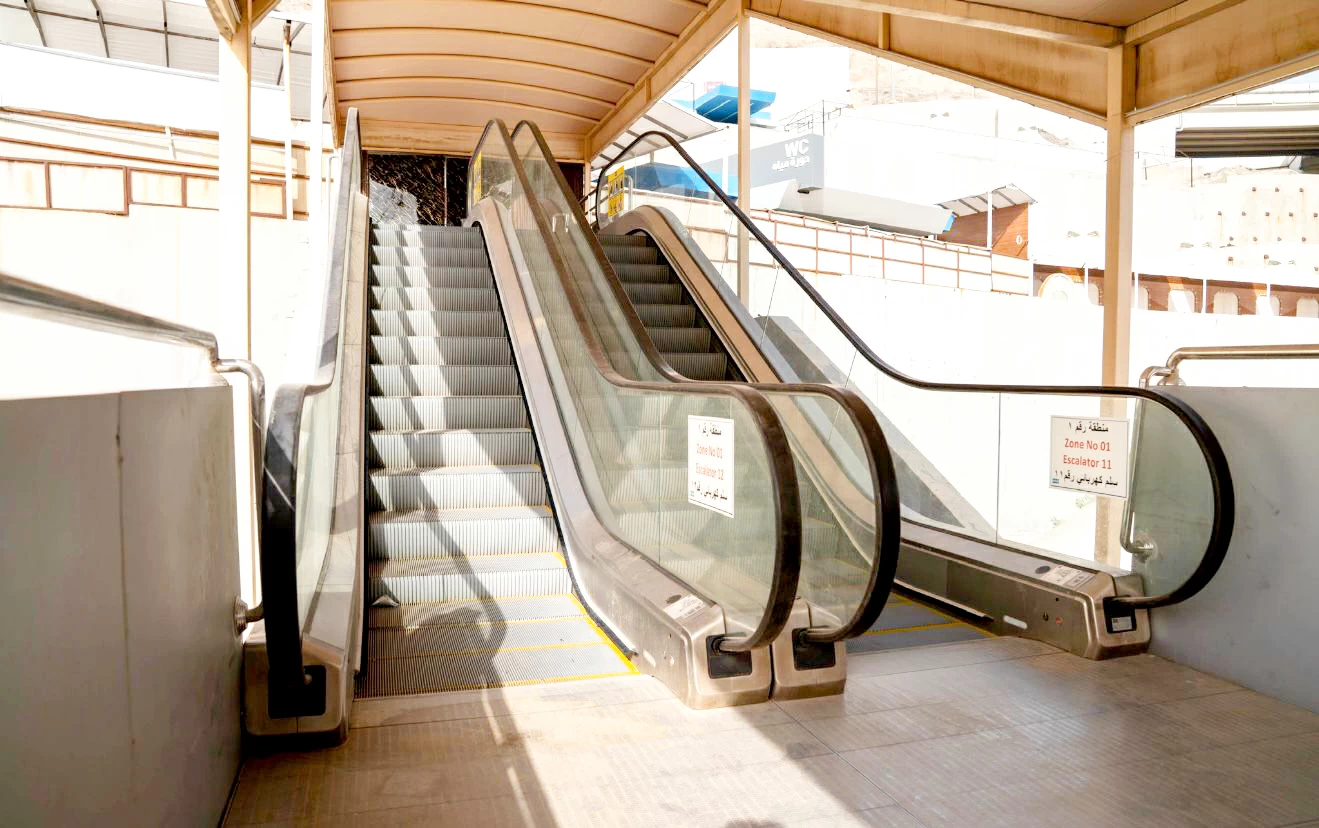
اكتمل مشروع السلالم الكهربائية في عدد من المواقع الحيوية بمشعر منى في إطار الاستعدادات لموسم حج 1447هـ، بما يسهم في تسهيل تنقل الحجاج وتعزيز مستويات الراحة والسلامة، خصوصاً في المواقع التي تشهد كثافات بشرية مرتفعة خلال أوقات الذروة.
وجاء تنفيذ المشروع عبر ثلاث مراحل تطويرية، بدأت بالمرحلة الأولى في موسم حج 1445هـ، بتركيب 32 سلماً، تلتها المرحلة الثانية في موسم 1446 بتركيب 32 سلماً إضافياً، وصولاً إلى المرحلة الثالثة والحالية في موسم 1447هـ، التي شهدت إضافة عشرة سلالم في ثمانية مواقع جديدة، ليصل إجمالي السلالم الكهربائية المنفذة إلى 74 سلماً حديثاً، بما يعزز التغطية التشغيلية ويواكب حاجات التوسع في حركة الحشود داخل المشعر. ويهدف المشروع إلى تحسين جودة الخدمات والبنية التحتية داخل المشاعر المقدسة، ودعم انسيابية حركة الحشود بشكل أكثر أماناً وتنظيماً، إلى جانب تسهيل حركة الحجاج وتقليل الجهد البدني المبذول أثناء التنقل بين المستويات المختلفة، خصوصاً لكبار السن وأصحاب الحالات الصحية، إضافة إلى تقليص زمن التنقل بين مواقع المخيمات والمرافق الخدمية؛ مما يسهم في رفع كفاءة الحركة والحد من الازدحام في الممرات والسلالم التقليدية.
The electric escalator project has been completed at several vital locations in the Mina area as part of the preparations for the Hajj season of 1447 AH, contributing to facilitating the movement of pilgrims and enhancing levels of comfort and safety, especially in areas that experience high human densities during peak times.
The project was implemented in three developmental phases, starting with the first phase in the Hajj season of 1445 AH, which involved the installation of 32 escalators. This was followed by the second phase in the season of 1446 AH, which included the installation of an additional 32 escalators, leading to the current third phase in the Hajj season of 1447 AH, which saw the addition of ten escalators in eight new locations. This brings the total number of newly installed escalators to 74, enhancing operational coverage and meeting the needs for expansion in crowd movement within the area. The project aims to improve the quality of services and infrastructure within the holy sites, support the smooth flow of crowds in a safer and more organized manner, and facilitate the movement of pilgrims while reducing the physical effort required when moving between different levels, especially for the elderly and those with health conditions. Additionally, it aims to reduce the time taken to move between the locations of the camps and service facilities, contributing to increased efficiency in movement and reducing congestion in traditional corridors and staircases.