تابع قناة عكاظ على الواتساب
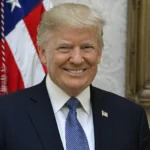
لم تعد الدول الأوروبية في قمة المجموعة السياسية الأوروبية في أرمينيا تتحدث عن الاستقلال الإستراتيجي بوصفه شعاراً نظرياً أو ترفاً فكرياً، بل كضرورة وجودية فرضتها تحوّلات السنوات الأخيرة، حيث بدا واضحاً أن العلاقة مع الولايات المتحدة لم تعد مستقرة على القواعد التي حكمتها منذ نهاية الحرب الباردة، وأن الاعتماد الكامل على المظلة الأمريكية لم يعد ضمانة أكيدة في عالم يتجه بسرعة نحو التعددية القطبية. في خلفية هذا التحوّل يقف الرئيس دونالد ترمب ليس فقط بسبب قراراته المباشرة كإعادة النظر في تموضع القوات الأمريكية في أوروبا، بل لأنه كشف بوضوح هشاشة الافتراض الأوروبي القديم القائم على ثبات الالتزام الأمريكي. لم يكن الأمر خلافاً عابراً بين ضفتَي الأطلسي، بل لحظة إدراك عميقة بأن المصالح قد تفترق، وأن السياسة الأمريكية يمكن أن تنقلب بسرعة من شراكة إستراتيجية إلى مقاربة نفعية بحتة لا ترى في أوروبا سوى حليف مشروط. من هنا، لم يعد النقاش في العواصم الأوروبية يدور حول ما إذا كان يجب تعزيز القدرات الذاتية، بل حول مدى السرعة الممكنة لتحقيق ذلك، وحجم الكلفة التي يمكن تحمّلها في سبيله، وحدود الواقعية في تحويل هذا الطموح إلى قوة فعلية قادرة على العمل بشكل مستقل. في هذا السياق، يبرز انخراط قوى مثل كندا في آليات الدفاع الأوروبية بوصفه مؤشراً على تشكّل فضاء أوسع من مجرد «أوروبا جغرافياً»، فضاء يقوم على تقاطع المصالح بين دول ترى نفسها أمام عالم أكثر اضطراباً وأقل قابلية للتنبؤ، ما يدفعها إلى البحث عن ترتيبات أمنية واقتصادية تتجاوز الأطر التقليدية. هنا يظهر ما يمكن تسميته بـ«الغرب البديل»، ليس بديلاً كاملاً عن التحالف الأطلسي، بل محاولة لإعادة تعريفه أو الالتفاف عليه جزئياً عبر بناء شبكات تعاون أكثر مرونة وأقل خضوعاً لقرار مركزي واحد. ومع ذلك، فإن هذا المسار يصطدم بجملة من التحديات الصلبة التي لا يمكن تجاوزها بسهولة، أولها الفجوة الهائلة في الإنفاق الدفاعي بين أوروبا والولايات المتحدة، وثانيها التعقيدات السياسية المرتبطة بتنسيق القرار بين دول ذات أولويات مختلفة، وثالثها الحاجة إلى قاعدة صناعية عسكرية قادرة على إنتاج القوة لا مجرد استهلاكها. هذه التحديات تجعل من فكرة الاستقلال الإستراتيجي هدفاً بعيد المدى أكثر منه واقعاً وشيكاً، وتفتح الباب أمام تساؤل مشروع حول ما إذا كانت أوروبا تسعى فعلاً إلى فك الارتباط، أم إلى إعادة توازن العلاقة ضمن إطار لا يزال قائماً. في المقابل، تكشف المواقف الأوروبية من الأزمات الدولية، خاصة في الشرق الأوسط، عن محاولة دقيقة للموازنة بين عدم الانخراط في مواجهات عسكرية تقودها واشنطن وبين الحفاظ على خطاب سياسي يدين السلوكيات التي تراها مهدّدة للاستقرار، وهو توازن يبدو متناقضاً في ظاهره لكنه يعكس رغبة في إبقاء مساحة للمناورة الدبلوماسية وعدم الانجرار إلى استقطابات حادة. هذا السلوك يعزز فرضية أن أوروبا لا تريد القطيعة مع الولايات المتحدة بقدر ما تريد التحرر من تبعات قراراتها، أي أن تكون شريكاً لا تابعاً، ومركزاً قادراً على صياغة سياساته لا مجرد امتداد لسياسات الآخرين. ومع تزايد الحديث عن عالم متعدد الأقطاب، يصبح السؤال أكثر إلحاحاً: هل تمتلك أوروبا المقوّمات اللازمة لتكون قطباً مستقلاً، أم أنها ستظل قوة اقتصادية كبرى ذات ثقل سياسي محدود بسبب اعتمادها الأمني؟ الإجابة ليست بسيطة، لأن التحوّل نحو القطبية يتطلب ليس فقط موارد وقدرات، بل أيضاً إرادة سياسية متماسكة وهوية إستراتيجية واضحة، وهما عنصران لا يزالان قيد التشكّل داخل القارة. ومع ذلك، فإن مجرد طرح هذه الأسئلة بهذا الوضوح يعكس أن أوروبا دخلت بالفعل مرحلة جديدة من التفكير في موقعها العالمي، مرحلة لم يعد فيها البقاء في ظل القوة الأمريكية خياراً بديهياً، بل موضوعاً للنقاش والمراجعة، وربما لإعادة الصياغة على أسس مختلفة بالكامل.
The European countries at the summit of the European Political Community in Armenia are no longer discussing strategic independence as a theoretical slogan or an intellectual luxury, but as an existential necessity imposed by the transformations of recent years. It has become clear that the relationship with the United States is no longer stable on the foundations that governed it since the end of the Cold War, and that complete reliance on the American umbrella is no longer a guaranteed assurance in a world rapidly moving towards multipolarity. In the background of this transformation stands President Donald Trump, not only because of his direct decisions, such as reconsidering the positioning of American troops in Europe, but because he clearly revealed the fragility of the old European assumption based on the stability of American commitment. This was not a fleeting disagreement between the two sides of the Atlantic, but a moment of profound realization that interests may diverge, and that American policy can quickly shift from a strategic partnership to a purely utilitarian approach that sees Europe merely as a conditional ally. Hence, the discussion in European capitals is no longer about whether to enhance self-capabilities, but about how quickly this can be achieved, the cost that can be borne in pursuit of it, and the limits of realism in transforming this ambition into an actual force capable of operating independently. In this context, the involvement of powers like Canada in European defense mechanisms emerges as an indicator of the formation of a broader space than just “Europe geographically,” a space based on the intersection of interests among countries that see themselves facing a more turbulent and less predictable world, prompting them to seek security and economic arrangements that transcend traditional frameworks. Here, what can be termed “alternative West” appears, not as a complete alternative to the Atlantic alliance, but as an attempt to redefine it or partially circumvent it by building more flexible cooperation networks less subject to a single central decision. However, this path encounters a number of solid challenges that cannot be easily overcome, the first being the enormous gap in defense spending between Europe and the United States, the second being the political complexities associated with coordinating decisions among countries with different priorities, and the third being the need for a military industrial base capable of producing power rather than merely consuming it. These challenges make the idea of strategic independence a long-term goal rather than an imminent reality, and raise a legitimate question about whether Europe is genuinely seeking to disengage or to rebalance the relationship within a framework that still exists. Conversely, European positions on international crises, especially in the Middle East, reveal a delicate attempt to balance between not engaging in military confrontations led by Washington and maintaining a political discourse that condemns behaviors seen as threatening to stability, a balance that seems contradictory in appearance but reflects a desire to keep space for diplomatic maneuvering and avoid being drawn into sharp polarizations. This behavior reinforces the hypothesis that Europe does not want a break with the United States as much as it wants to free itself from the repercussions of its decisions, meaning it seeks to be a partner, not a subordinate, and a center capable of shaping its policies rather than merely an extension of others’ policies. As discussions about a multipolar world increase, the question becomes more urgent: Does Europe possess the necessary components to be an independent pole, or will it remain a major economic power with limited political weight due to its security dependence? The answer is not simple, as the shift towards multipolarity requires not only resources and capabilities but also cohesive political will and a clear strategic identity, both of which are still in the process of formation within the continent. Nevertheless, merely raising these questions with such clarity reflects that Europe has indeed entered a new phase of thinking about its global position, a phase in which remaining under American power is no longer an obvious choice, but a subject for discussion and review, and perhaps for redefinition on entirely different foundations.